.png)
Pakistan logs 187 cases under PECA
JournalismPakistan.com | Published: 7 April 2026 | JP Staff Report
Join our WhatsApp channel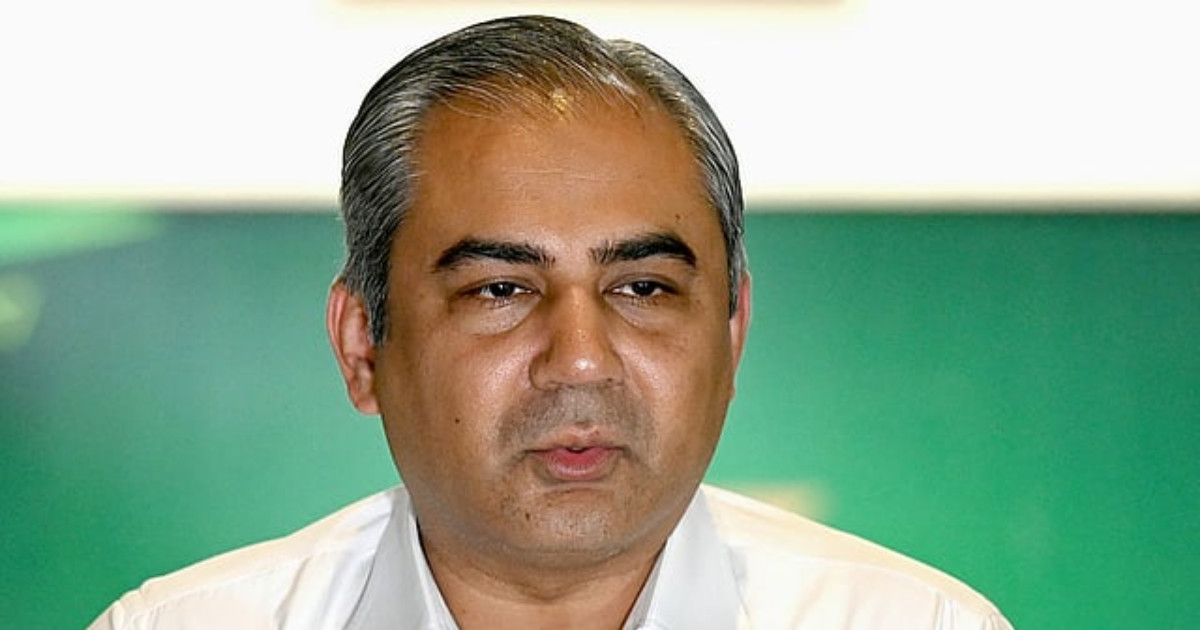
Pakistan logged 187 cases under Section 26A of PECA 2025, penalising intentional online spread of false or harmful information with up to three years' jail and Rs2m fines; critics warn the law's broad wording may enable selective use and chill reporting.Summary
ISLAMABAD — Pakistan has recorded 187 cases under section 26A of the Prevention of Electronic Crimes (Amendment) Act 2025 (PECA), raising questions over enforcement and media freedom. The Interior Minister, Senator Mohsin Naqvi (pictured), informed the National Assembly that the registered cases involve 180 males, 21 females, and one minor suspect. The government did not provide a detailed list of individuals involved.
Section 26A targets the intentional dissemination of false or harmful information online, with penalties of up to three years in prison and fines of Rs2 million. Critics warn the law’s broad wording could be misused against journalists or political dissenters.
Journalists express concern over selective enforcement
During Question Hour, MNA Dr Mehreen Razzaq Bhutto asked how the government plans to uphold freedom of speech while implementing Section 26A. Senator Naqvi emphasized that the law is intended only for “intentional and malicious” acts likely to cause public disorder or panic, insisting that constitutional protections under Article 19 remain intact.
Despite assurances, several journalists have already been booked under the new law. In August 2025, Khalid Jamil was arrested for allegedly spreading anti-state narratives on social media. Earlier, in March 2025, Waheed Murad was charged for allegedly posting misleading content, while Raftar journalist Farhan Mallick was booked for publishing “anti-state” material. Media advocates warn that such cases may create a chilling effect on reporting and online expression.
Legal experts note that ambiguity in Section 26A’s wording could lead to inconsistent enforcement, particularly against independent media outlets. The government has maintained that penalties are imposed only when misinformation poses tangible risks to public safety, but journalists remain wary.
WHY THIS MATTERS: The application of PECA Section 26A has direct implications for Pakistani media, as journalists risk criminal liability for reporting or online commentary that authorities may deem “false.” Media organizations must be vigilant in verifying content and understanding legal thresholds, while newsrooms may need to adopt stronger compliance measures to navigate the law without compromising editorial independence.
ATTRIBUTION: Reporting by JournalismPakistan, based on publicly available statements from the National Assembly (April 6, 2026) and prior case reporting in 2025.
PHOTO: AFP
Key Points
- Authorities have registered 187 cases under Section 26A of the Prevention of Electronic Crimes (Amendment) Act 2025.
- Reported suspects include 180 males, 21 females and one minor, according to the Interior Minister.
- Section 26A targets intentional dissemination of false or harmful online information; penalties: up to three years' imprisonment and Rs2m fine.
- Several journalists have been booked under the provision, prompting concerns from media advocates.
- Critics warn the law's broad wording could enable selective enforcement and create a chilling effect on reporting.
Key Questions & Answers
What does Section 26A of PECA cover?
Section 26A criminalises the intentional dissemination of false or harmful information online that is likely to cause public disorder or panic; penalties include up to three years' imprisonment and fines of Rs2 million.
How many cases have been registered under the new provision?
The government reports 187 cases registered under Section 26A; official breakdown lists 180 males, 21 females and one minor among the suspects.
Have journalists been affected by the law?
Yes, several journalists have been booked under Section 26A, and media advocates warn these actions may chill reporting and online expression.
How does the government defend the law?
The Interior Minister says the law targets only intentional and malicious acts likely to cause public disorder, and insists constitutional protections for free speech remain intact.
Relevant Topics
Ask AI: Understand this story your way
AI EnabledDig deeper, ask anything — get instant context, background, and clarity.
Disclaimer: This feature is powered by AI and is intended to help readers explore and understand news stories more easily. While we strive for accuracy, AI-generated responses may occasionally be incomplete or reflect limitations in the underlying model. This feature does not represent the editorial views of JournalismPakistan. For our full, verified reporting, please refer to the original article.