
Pakistan launches Social Media Authority with rapid content-blocking powers
JournalismPakistan.com | Published: 19 March 2026 | JP Staff Report
Join our WhatsApp channel
Pakistan has launched the Social Media Protection and Regulatory Authority, appointing a chair and five members to enforce amended PECA and to order content removal or blocking within 24 hours, prompting concerns over potential overreach.Summary
ISLAMABAD — The Government of Pakistan has formally appointed the chairman and members of its newly established Social Media Protection and Regulatory Authority, operationalizing a key mechanism under the amended Pakistan Electronic Crimes Act (PECA). The Ministry of Interior issued a notification confirming that Advocate General Islamabad Ayaz Shaukat will serve as chairman, alongside five members, including senior journalist Sohail Iqbal Bhatti, Adnan Khan, Muhammad Salman Zafar, Fahad Malik, and Saad Ali
The appointments, made for a period of five years, mark the Authority’s formal launch as a regulatory body tasked with overseeing digital content and addressing complaints related to misinformation and unlawful online material.
Authority empowered to act within 24 hours
Under its mandate, the Authority allows any individual affected by fake or incorrect information to file a complaint. It is required to issue orders within 24 hours of receiving such complaints, signaling a fast-track mechanism for content regulation.
The Authority also has the power to block or remove content deemed in violation of applicable laws, placing it at the center of Pakistan’s evolving framework for social media governance.
Concerns over scope and enforcement
While the government has positioned the Authority as a tool to curb misinformation and protect citizens online, its broad powers have raised concerns among media stakeholders about potential overreach. The ability to act on complaints and order content blocking within a short timeframe could have implications for digital journalism, particularly in cases involving investigative reporting or politically sensitive material.
The development reflects a broader trend in Pakistan toward tighter regulatory oversight of digital platforms, with enforcement mechanisms increasingly formalized under PECA and related rules.
WHY THIS MATTERS: The creation of a fully functional social media authority with rapid enforcement powers introduces new risks and responsibilities for journalists working online. Newsrooms may need to reassess verification processes, legal exposure, and response strategies as content takedown mechanisms become faster and more centralized.
ATTRIBUTION: Reporting by JournalismPakistan, based on an official Ministry of Interior notification issued March 18, 2026.
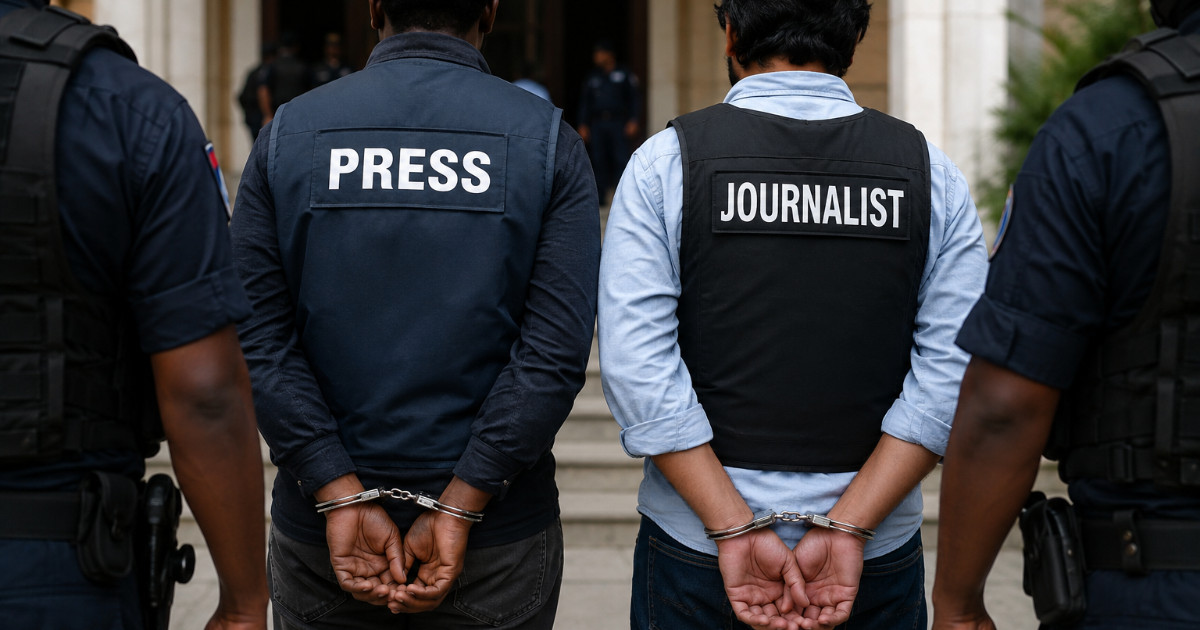
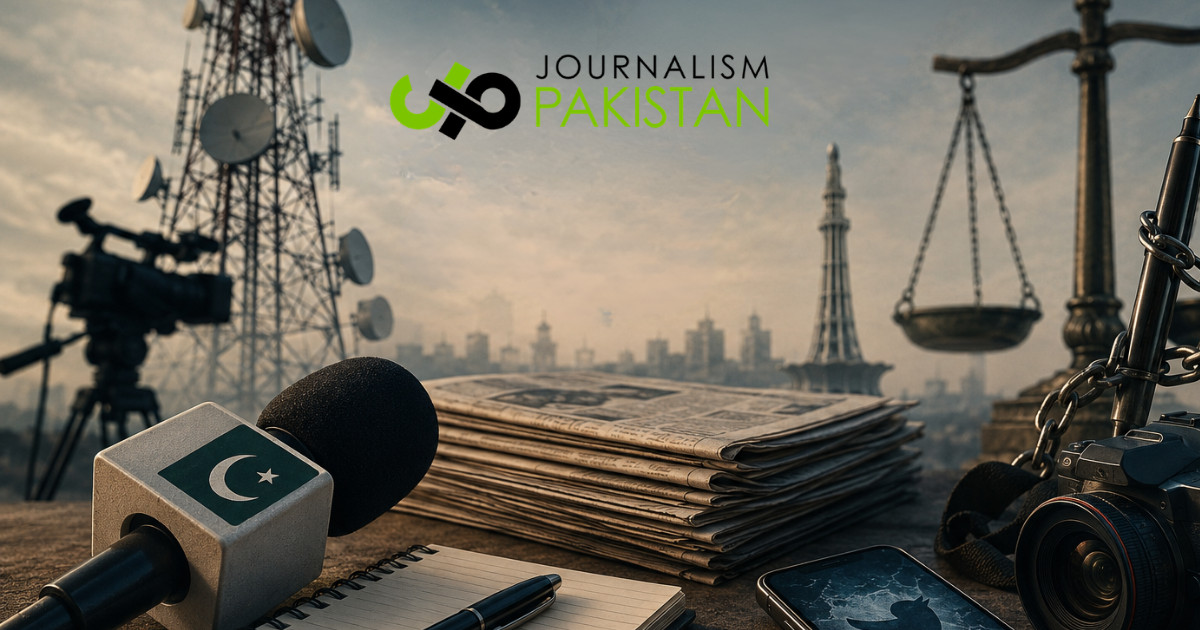
PHOTO: AI-generated; for illustrative purposes
Key Points
- Social Media Protection and Regulatory Authority formally launched with Advocate General Islamabad Ayaz Shaukat as chairman and five members including Sohail Iqbal Bhatti, Adnan Khan, Muhammad Salman Zafar, Fahad Malik and Saad Ali.
- Appointments were made for five-year terms, marking the Authority's formal operational start.
- The Authority may receive complaints about fake or incorrect information and is required to issue orders within 24 hours of a complaint.
- It holds powers to block or remove online content deemed in violation of applicable laws.
- Media stakeholders have raised concerns that the Authority's broad and rapid powers could lead to overreach and affect digital journalism and free expression.
Key Questions & Answers
What is the Social Media Protection and Regulatory Authority?
It is a new regulator established under the amended Pakistan Electronic Crimes Act (PECA) to oversee digital content and handle complaints about misinformation and unlawful online material.
Who has been appointed to lead the Authority?
Advocate General Islamabad Ayaz Shaukat was named chairman, with five members appointed including senior journalist Sohail Iqbal Bhatti, Adnan Khan, Muhammad Salman Zafar, Fahad Malik and Saad Ali.
How quickly can the Authority act on complaints?
The Authority is required to issue orders within 24 hours of receiving complaints and has the power to block or remove content deemed unlawful.
Why are stakeholders concerned?
Media and free-expression advocates warn that the Authority's broad and rapid powers could enable overreach and may have implications for digital journalism and public discourse.
Relevant Topics
Ask AI: Understand this story your way
AI EnabledDig deeper, ask anything — get instant context, background, and clarity.
Disclaimer: This feature is powered by AI and is intended to help readers explore and understand news stories more easily. While we strive for accuracy, AI-generated responses may occasionally be incomplete or reflect limitations in the underlying model. This feature does not represent the editorial views of JournalismPakistan. For our full, verified reporting, please refer to the original article.