
Online abuse of women journalists hits new global high
JournalismPakistan.com | Published: 9 December 2025 | JP Global Monitoring Desk
Join our WhatsApp channel
A recent study by UN Women indicates a dramatic rise in online violence against women journalists, activists, and defenders globally. With 70% reporting online threats, and 42% facing offline attacks linked to digital harassment, the findings raise urgent concerns about press freedom and democratic values.Summary
GENEVA — A major new study from UN Women and partners reveals that 70 percent of women human rights defenders, activists and journalists worldwide have experienced online violence linked to their work, while 41 to 42 percent reported offline attacks or harassment tied to digital abuse. The report, titled “Tipping Point: The chilling escalation of violence against women in the public sphere in the age of AI,” draws on responses from more than 6,900 individuals across 119 countries.
Rapid surge in online violence and real-world consequences
The findings show a dramatic increase from 2020, when roughly 20 percent of women journalists reported offline abuse tied to online harassment; in 2025, that figure has more than doubled to 42 percent. Incidents include physical or sexual assault, stalking, doxxing, “swatting” and other forms of real-world violence connected to online targeting. The report highlights the growing role of generative AI and deepfake technology in amplifying these threats, making harassment more persistent, scalable, and harder to trace.
Threats to press freedom and democratic participation
According to UN Women, the surge in digital violence threatens not just individual safety but also broader democratic values and freedom of expression. Many of those targeted are women journalists, human rights defenders and public communicators whose work often involves speaking truth to power and demanding accountability. The study warns that without robust legal protections, platform accountability and support mechanisms, online harassment will continue silencing vulnerable voices and shrinking public debate.
Calls for stronger protections and systemic responses
In response to the findings, UN Women and allied organizations urge governments to adopt laws recognising technology-facilitated violence as a violation of human rights, and demand greater accountability from tech platforms for harassment, deepfakes, and other abuse. The report also calls on newsrooms and media organisations to invest in digital security training, psychological support, content moderation capacity, and better protections for women journalists and activists working in hostile digital environments.
ATTRIBUTION: Based on the 'Tipping Point' report from UN Women and partner organizations, and coverage by AP News, Down to Earth, and other media
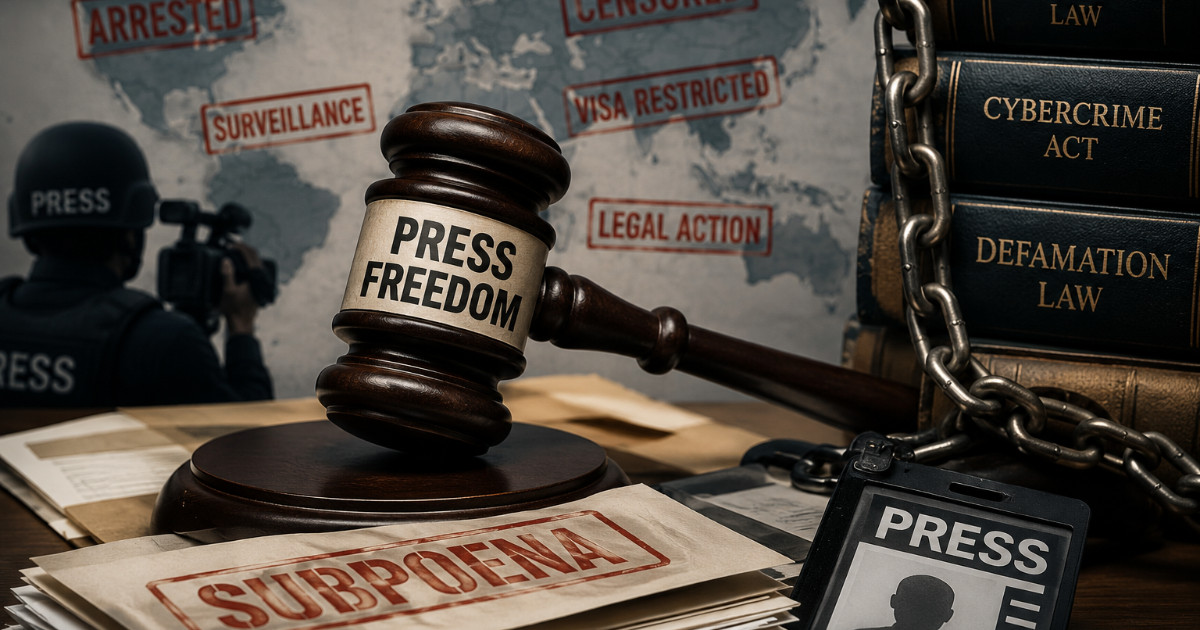
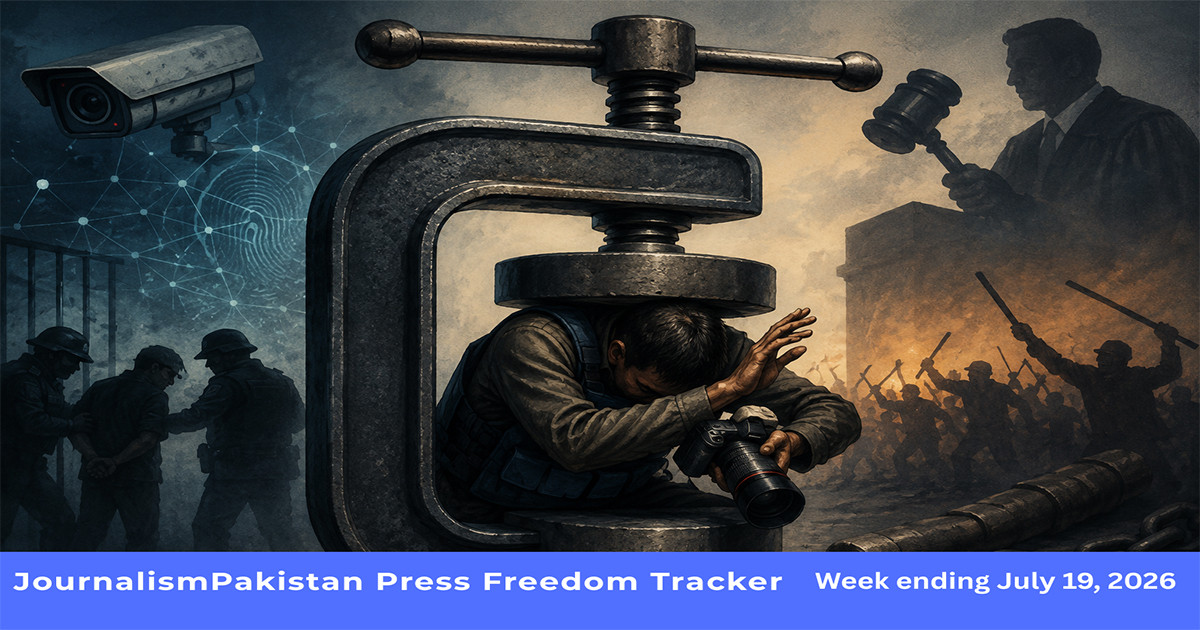
PHOTO: AI-generated; for illustrative purposes only
Key Points
- 70% of women journalists, activists, and defenders report online violence related to their work.
- 42% of women journalists in 2025 experienced offline attacks tied to prior online abuse.
- AI-assisted harassment, including deepfake content, is increasingly prevalent.
- Digital violence threatens journalistic freedom and public discourse.
- The report calls for laws addressing tech-facilitated violence as human rights violations.
Relevant Topics
Ask AI: Understand this story your way
AI EnabledDig deeper, ask anything — get instant context, background, and clarity.
Disclaimer: This feature is powered by AI and is intended to help readers explore and understand news stories more easily. While we strive for accuracy, AI-generated responses may occasionally be incomplete or reflect limitations in the underlying model. This feature does not represent the editorial views of JournalismPakistan. For our full, verified reporting, please refer to the original article.