
Karnataka proposal to curb media access sparks backlash
JournalismPakistan.com | Published: 19 February 2026 | JP Asia Desk
Join our WhatsApp channel
A Karnataka government proposal would tighten accreditation and restrict journalists' movement in the Vidhana Soudha. Opposition leaders and journalists' groups warn that the move could weaken routine oversight and transparency.Summary
BENGALURU — A new proposal by the Government of Karnataka to regulate media presence within the Vidhana Soudha legislative complex has triggered sharp political pushback, with opposition leaders warning that the move could undermine transparency and independent reporting from the state assembly.
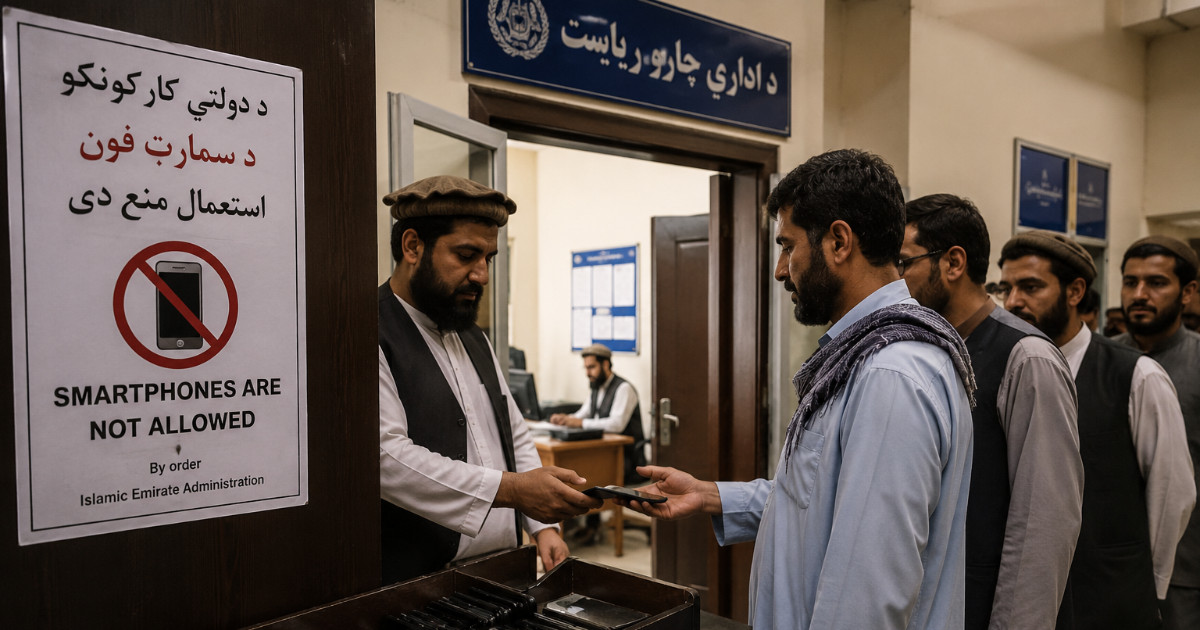
According to statements issued by senior officials and opposition lawmakers, the proposal seeks to introduce tighter accreditation rules and restrict journalists’ movement inside parts of the legislative complex in Bengaluru. While the state government has framed the proposal as an administrative and security measure, critics say it risks curbing access that reporters have historically relied upon to cover proceedings and interact with legislators.
Media access rules under scrutiny
Opposition parties have publicly questioned the timing and scope of the proposal, arguing that changes to media accreditation and access within a legislative building must be debated transparently and in consultation with journalists’ bodies. They contend that limiting corridor access and informal interactions with lawmakers could weaken day-to-day parliamentary scrutiny, particularly on contentious policy matters.
Journalists’ associations in Karnataka have also expressed concern that any move to centralize or tighten media permissions could set a precedent for other state assemblies. They have called for clarity on how new rules would be implemented, whether access to press galleries would be affected, and what appeal mechanisms would exist if accreditation were denied or revoked.
The Karnataka government has not announced a final decision on the proposal. Officials have indicated that discussions are ongoing and that security considerations within the Vidhana Soudha complex have prompted a review of existing guidelines.
Debate over transparency and legislative reporting
India’s federal structure gives state governments authority over their legislative complexes, including the framing of rules governing media access. However, press freedom advocates argue that legislative buildings are public institutions and that journalists’ access plays a crucial role in ensuring accountability.
India ranked 159 out of 180 countries in the 2025 World Press Freedom Index published by Reporters Without Borders, reflecting ongoing concerns about legal pressures, safety risks, and constraints on independent journalism. While the index measures national conditions, debates over media access at state institutions contribute to the broader environment in which reporters operate.
Political analysts note that disputes over media access have surfaced periodically in different Indian states, particularly during high-stakes legislative sessions. Restrictions on access to corridors, lobbies, or ministerial offices can significantly affect beat reporting, which often depends on informal briefings and real-time responses from elected representatives.
The Karnataka episode has therefore become a flashpoint in a larger conversation about the balance between security management and press access within democratic institutions.
WHY THIS MATTERS: For Pakistani journalists and newsroom managers, the Karnataka debate underscores how changes in accreditation or movement rules within assemblies can directly affect the depth and speed of political coverage. Newsrooms in Pakistan, where access to legislative spaces can also be sensitive, may draw lessons about the importance of collective engagement with authorities when new regulations are proposed.
ATTRIBUTION: This report is based on publicly reported statements by Karnataka government officials, opposition leaders, and press freedom data from Reporters Without Borders’ 2025 World Press Freedom Index.
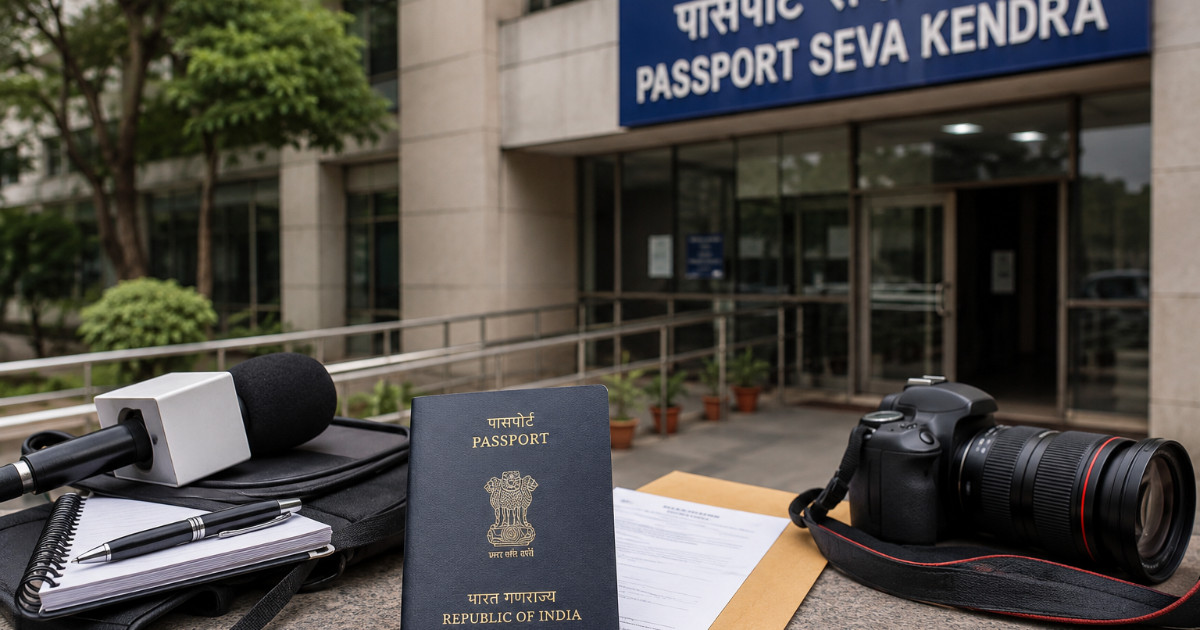
PHOTO: AI-generated; for illustrative purposes only.
Key Points
- Proposal aims to tighten accreditation and limit journalist movement within parts of Vidhana Soudha.
- The state frames changes as administrative and security measures.
- Opposition leaders argue the move could undermine transparency and everyday scrutiny.
- Journalists' associations seek clarity on press gallery access and appeal mechanisms.
- Critics warn the proposal could set a precedent for other state assemblies.
Key Questions & Answers
What does the proposal change?
It would tighten accreditation requirements and restrict journalists' movement in parts of the Vidhana Soudha; officials describe it as an administrative and security measure.
Who has raised objections?
Opposition leaders and journalists' associations have publicly criticized the proposal, saying it could harm routine reporting and assembly transparency.
Will press gallery access be affected?
Officials have not provided full details; journalists' groups have requested clarification on whether access to galleries and corridors will change.
Is there an appeal process for accreditation decisions?
The proposal's implementation details, including any appeal or redress mechanisms, have not been clearly outlined; media bodies are seeking transparency on procedures.
Relevant Topics
Ask AI: Understand this story your way
AI EnabledDig deeper, ask anything — get instant context, background, and clarity.
Disclaimer: This feature is powered by AI and is intended to help readers explore and understand news stories more easily. While we strive for accuracy, AI-generated responses may occasionally be incomplete or reflect limitations in the underlying model. This feature does not represent the editorial views of JournalismPakistan. For our full, verified reporting, please refer to the original article.