.png)
Journalists and fellowship antics
JournalismPakistan.com | Published: 27 July 2012 | Z B Saigol
Join our WhatsApp channel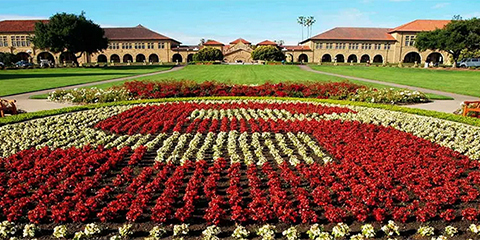
The article critiques a perceived culture in Pakistan’s journalistic community where Western fellowships are pursued through connections and treated as paid holidays. It describes alleged neglect of training obligations and the role of networking and patronage in securing placements.Summary
The general perception in the journalistic community in Pakistan is that the difficult part is managing to wangle a fellowship in a Western country, be it through the right connections, being at the right place at the right time, getting lucky, calling in a favor or blackmailing your way to one… but once the mission is accomplished, it’s all fun and games.
Fellowship granted, one flies to wherever, grabs the sponsored expenses money, finds alternative cheap accommodation to get a little extra cash, and then party or enjoy life to one’s heart content. It’s not necessary to attend the lectures, presentations, on-hand training, workshops, profession-related trips etc. Those are not even of secondary importance.
If one gets lucky, it’s possible to land an illegal job, maybe even a legal job. Such things happen. There are certain journalists who have an edge over others when it comes to the time of pinning down a fellowship. These are the guys with connections, friends in embassies and extensive networking in donor agencies or powerful political corridors.
It’s quite the ‘old boys’ thing if you know what I mean. Now these guys, more often than not, get to grab a fellowship long before others even get wind of it. These gents go on six-month visits to the States, indulge in posting rather compromising pictures of themselves on Facebook with fellow female fellowship recipients or not, show off their skills at dancing, picnicking and what have you.
They barely ever post anything about the professional knowledge they have gained or can teach when they get back. It’s a paid holiday so why work? I was at a party in Islamabad a few years ago, when three hard-drinking journalists, guzzling beer as if there was no tomorrow, managed to corner the head of a certain development project with a certain interest in keeping the media happy.
There was lots of laughter, jokes, anecdotes and such shared amongst them as yet more beer was consumed. Finally, the three concluded it was time to nail the project chief. “We hear you are sending four or five journalists to the States on a fellowship program…,” they began. “Yes,” said the chief, slightly wobbly and grabbing onto a high table.
“Just wondering if you could get us on that list?” “Sure,” said the chief, looking around for his project’s PR person, who just happened to be a conservative type and did not drink. The chief spotted him across the room and beckoned for the man to attend him. “Do you have your notebook ready?” asked the chief, his distaste of the man quite obvious.
Much to his credit, the man did. “Sir.” “Then write down the names of these four gents….” A fourth had appeared out of the blue.
“… and remind me to nominate their names for the upcoming journalism fellowships.” The PR guy scribbled their names and channels/newspapers and then quite stupidly reminded his boss that he had nominated three of the four for the same fellowship the year before and that they had already been. I heard the poor guy lost his job two days later.
Of the three that went for the four-month fellowship, one did not even go to the city where the fellowship was being held, instead working illegally in New York and earning dollars, the second drank and partied himself silly, returning to his job after six months, and the third picked a fight at a packed forum with a Jewish businessman over a certain conspiracy theory he insisted was correct.
The businessman promptly reminded him he was one of the main financiers of the fellowship. A friend of mine who went to a fellowship program at Stanford had an equally gripping story to tell about another fellowship journalist who tried to explain to a roomful of people what his Islamic name meant while slurring his words, and barely able to finish a sentence, courtesy the beer bottle in his hand.
At yet another fellowship opportunity in the States, and I could swear by the person who told me this story, a Dunya Television’s anchor, who at the time worked for Samaa, spent more time gorging herself on free food, changing outfits and chatting up members of the opposite sex, including the conference director, than making a meaningful contribution to the conference for which she was there.
What these ‘journalists’ do not realize is that they are representing their country and are ambassadors. Instead they leave behind a demeaning and low perception of all Pakistanis. Even more disturbing is the knowledge they always have somebody to defend them and hide their misdoings. They think they can get away with blue murder, and the truth is they do.
To conclude, nobody ever asks them what they have brought back in professional advancement, what they can teach, or how their experience abroad can benefit their mother organization and fellow journalists. P.S. These guys should not be confused with the variety that manages free junkets and trips of opportunity, like the juicy one to the London Olympics. About thoseI, shall write later.
Key Points
- The piece alleges fellowships are often secured through connections, favors or patronage networks.
- It claims some recipients prioritize leisure and personal gain over attending trainings and workshops.
- The narrative describes an Islamabad party where journalists lobby a development project head for fellowship slots.
- It highlights perceptions of an “old boys” network involving embassies and donor agencies.
- It questions accountability and professional outcomes from such fellowship programs.
Relevant Topics
Ask AI: Understand this story your way
AI EnabledDig deeper, ask anything — get instant context, background, and clarity.
Disclaimer: This feature is powered by AI and is intended to help readers explore and understand news stories more easily. While we strive for accuracy, AI-generated responses may occasionally be incomplete or reflect limitations in the underlying model. This feature does not represent the editorial views of JournalismPakistan. For our full, verified reporting, please refer to the original article.