
Bangladesh journalist remains jailed after mistaken identity arrest
JournalismPakistan.com | Published: 10 June 2026 | JP Asia Desk
Join our WhatsApp channel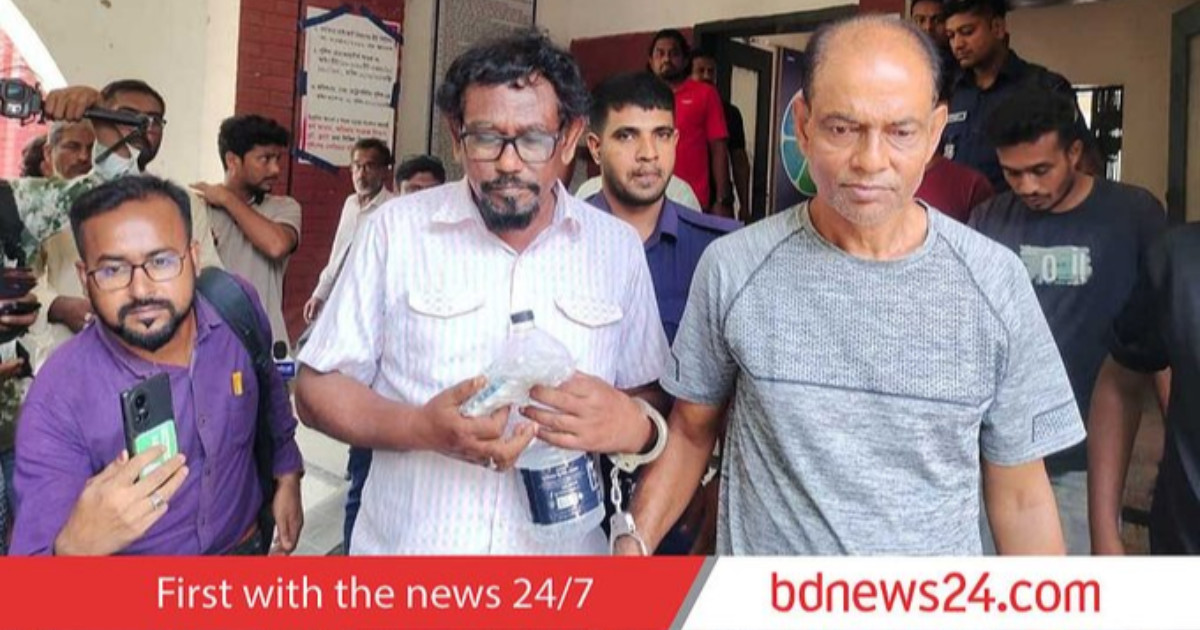
BDNews24 correspondent Mohammad Asaduzzaman was arrested in a June 8 pre-dawn raid in Jessore and is jailed under the Special Powers Act after authorities reportedly confused him with a politician. Rights groups say it highlights risks to due process.Summary
DHAKA — A Bangladeshi journalist remains in custody after being arrested under the country's Special Powers Act in a case that press freedom advocates say highlights concerns about due process and the potential misuse of preventive detention laws.
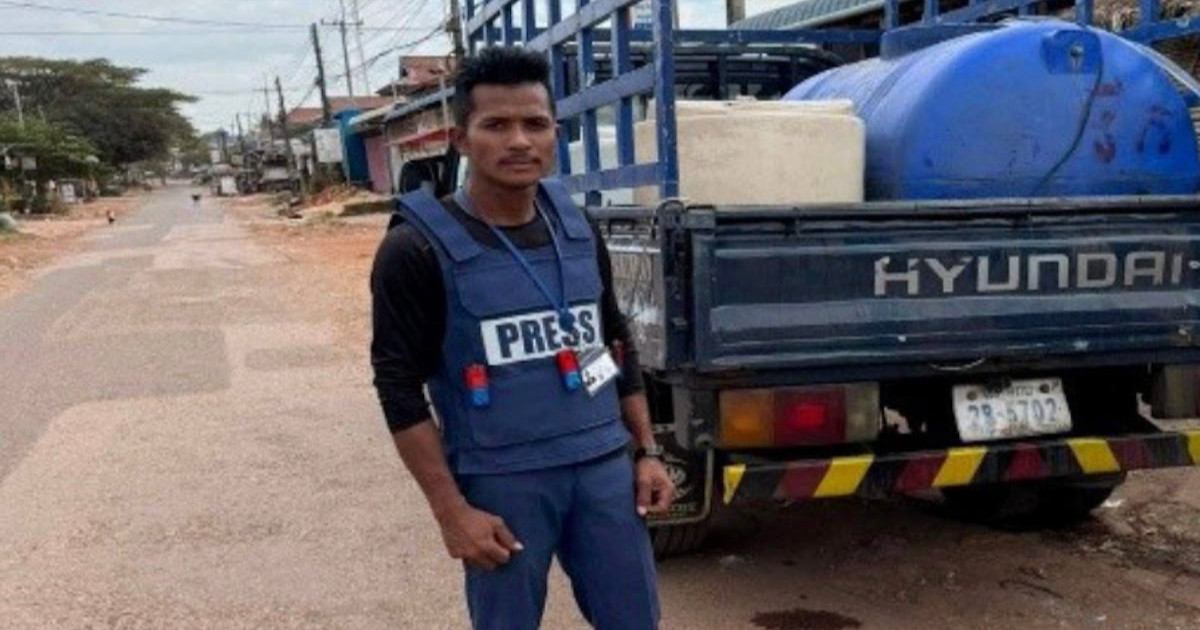
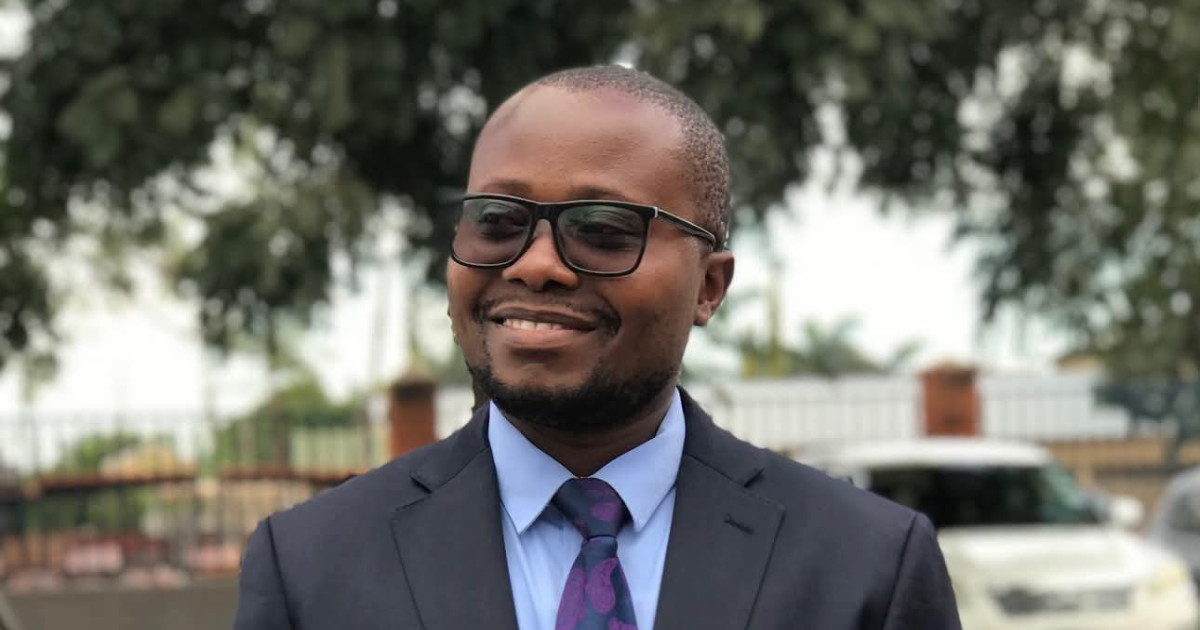
Mohammad Asaduzzaman, a correspondent for BDNews24, was arrested during a June 8 pre-dawn raid on his home in Sharsha Upazila, Jessore district. According to the Committee to Protect Journalists (CPJ), authorities appear to have confused him with a politician who shares the same name. After being denied bail, Asaduzzaman was transferred to Jessore district jail pending a court hearing scheduled for June 11.
Concerns over preventive detention laws
The case has drawn criticism from press freedom organizations, which argue that the use of broad security legislation can place journalists at risk even when they are not the intended subjects of law enforcement action. CPJ urged Bangladeshi authorities to ensure that Asaduzzaman is not being targeted because of his journalism and that his right to due process is respected.
The arrest has renewed scrutiny of Bangladesh's Special Powers Act, which allows preventive detention in certain circumstances and has long been criticized by rights advocates concerned about its impact on civil liberties and legal safeguards.
Press freedom groups raise concerns
Media rights advocates warn that incidents involving mistaken identity can have a chilling effect on local journalism, particularly outside major urban centers where reporters often work with limited institutional support. They argue that detention under sweeping security laws, even when based on disputed information, can discourage journalists from pursuing sensitive or accountability-focused reporting.
The case also underscores broader concerns about legal protections for journalists across South Asia. Press freedom organizations have repeatedly called for stronger safeguards to prevent arbitrary arrest and detention and to ensure that journalists are not caught up in political or security-related investigations without clear evidence.
As of June 10, there was no public indication from authorities that the mistaken identity claim had been formally resolved, while the journalist remained in custody awaiting his scheduled hearing.
WHY THIS MATTERS: The case highlights the risks journalists face when broad security laws are applied without adequate safeguards or verification. For media organizations, it underscores the importance of due process protections and raises concerns about how mistaken identity cases can undermine confidence in legal protections for reporters and potentially discourage independent journalism.
ATTRIBUTION: Reporting by JournalismPakistan, based on publicly available reports and statements from the Committee to Protect Journalists and BDNews24 published on June 10, 2026.
PHOTO: bangla.bdnews24.com
Key Points
- Mohammad Asaduzzaman, a BDNews24 correspondent, was arrested in a pre-dawn raid on June 8 in Sharsha Upazila, Jessore district.
- Authorities detained him under the Special Powers Act and he was denied bail before transfer to Jessore district jail.
- Press freedom groups say officials appear to have confused him with a politician who shares his name.
- Rights advocates warn that broad preventive detention laws can threaten journalists and due process safeguards.
- A court hearing was scheduled for June 11 to determine further legal proceedings.
Key Questions & Answers
Why was Mohammad Asaduzzaman arrested?
He was arrested during a June 8 pre-dawn raid in Jessore and detained under the Special Powers Act; authorities reportedly believed he was a politician with the same name.
Was the arrest due to his journalism?
Press freedom groups have urged authorities to ensure he is not being targeted for his reporting and to respect his right to due process while the case is reviewed.
What is the Special Powers Act?
The Special Powers Act allows preventive detention in certain circumstances; rights advocates have long criticised it for its broad scope and impact on civil liberties.
What are media groups saying?
Media rights organisations warn that mistaken identity arrests can chill local journalism and highlight risks posed by preventive detention laws outside major urban centres.
Relevant Topics
Ask AI: Understand this story your way
AI EnabledDig deeper, ask anything — get instant context, background, and clarity.
Disclaimer: This feature is powered by AI and is intended to help readers explore and understand news stories more easily. While we strive for accuracy, AI-generated responses may occasionally be incomplete or reflect limitations in the underlying model. This feature does not represent the editorial views of JournalismPakistan. For our full, verified reporting, please refer to the original article.