
Where does PEMRA end and NCCIA begin?
JournalismPakistan.com | Published: 10 June 2026 | JP Staff Report
Join our WhatsApp channel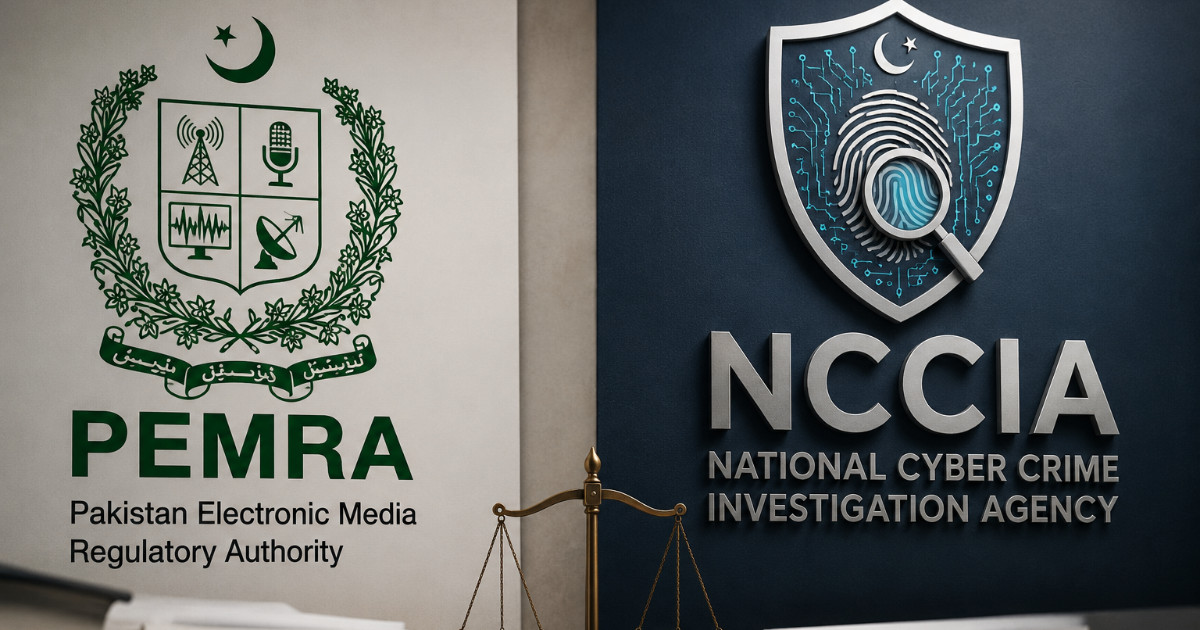
The National Cyber Crime Investigation Agency summoned three journalists over a Public News program and its online circulation alleging large government spending. The move has prompted questions about whether NCCIA or PEMRA should oversee broadcast content that migrates to digital platforms.Summary
LAHORE—The National Cyber Crime Investigation Agency's decision to summon three journalists over content aired by a television channel and later amplified on digital platforms has triggered debate among media observers about the boundaries between cybercrime enforcement and broadcast regulation.
Notices issued by the NCCIA called senior journalist Irshad Bhatti, Public News anchor Salman Haider, and investigative journalist Anwar Hussain Simra to appear before the agency on June 10. The notices relate to claims regarding public spending on beautification and infrastructure projects allegedly linked to senior Punjab government offices and officials.
Questions over regulatory jurisdiction
The controversy stems from a report attributed to Simra and discussed during a Public News program hosted by Haider. The report alleged substantial spending on various government facilities and official residences in Punjab. Public News subsequently issued an apology for airing the content.
The NCCIA notices have nevertheless prompted questions within media circles about whether the matter falls primarily within the jurisdiction of the electronic media regulator, PEMRA, given that the original content was broadcast on a licensed television channel before appearing on digital platforms.
Media lawyers and journalists have increasingly raised concerns about overlapping regulatory frameworks in Pakistan, particularly when television content migrates to social media, YouTube channels, and other online platforms.
Complaint cites alleged reputational harm
A separate dimension of the case involves Bhatti's vlog, in which he referenced claims attributed to Simra and questioned reported expenditures, including spending allegedly linked to the Punjab chief secretary's official residence and other government facilities.
The Government of Punjab publicly rejected the allegations, describing them as baseless and unsupported by evidence. In a statement, provincial authorities accused Bhatti of spreading unverified information and misleading the public, while warning that Pakistan's Prevention of Electronic Crimes Act (PECA) and defamation laws could apply to the dissemination of false information that harms reputations.
A notice seen by JournalismPakistan identifies Malik Sajid Ali as the complainant in the case involving Bhatti. According to the notice, the complaint alleges that false and defamatory information was disseminated online regarding expenditures connected to renovations at the official residence of the Punjab chief secretary. The complaint contends that the claims damaged the reputation of a senior public official and undermined public confidence in a public office.
Broader implications for journalism
The case arrives at a time when Pakistani journalists and media organizations are closely monitoring the expanding use of digital laws in matters involving reporting, commentary, and public-interest claims.
While authorities maintain that false and defamatory content can cause reputational harm and warrant legal scrutiny, journalists and press freedom advocates have repeatedly argued that disputes involving reporting should be handled in ways that protect legitimate public-interest journalism while ensuring accountability for inaccurate information.
The outcome of the case could therefore become an important test of how regulators and investigators distinguish between allegedly false content, editorial errors, broadcast compliance issues, and journalistic scrutiny of public spending.
WHY THIS MATTERS: The case highlights growing overlap between broadcast regulation, digital media enforcement, and defamation law in Pakistan. For journalists and news organizations, the proceedings may provide an important indication of how authorities approach content that originates on television but later circulates through digital platforms. The matter also underscores the importance of verification, corrections, and clear regulatory boundaries in an increasingly converged media environment.
ATTRIBUTION: Reporting by JournalismPakistan, based on notices reviewed by JP and a Punjab government statement issued on June 7, 2026.
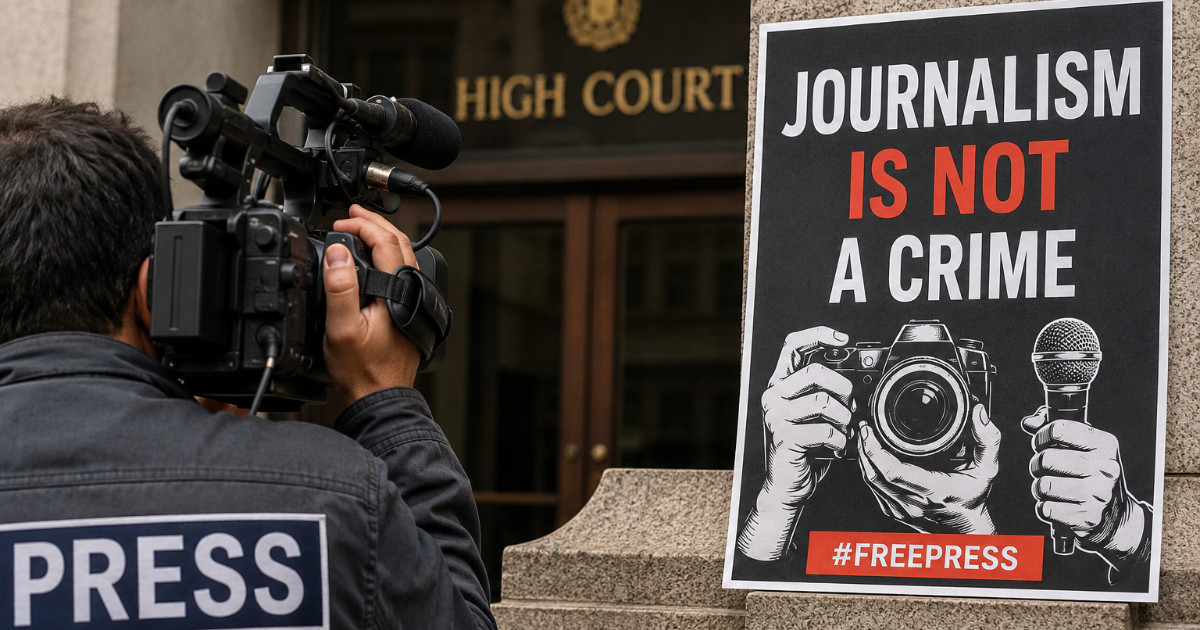
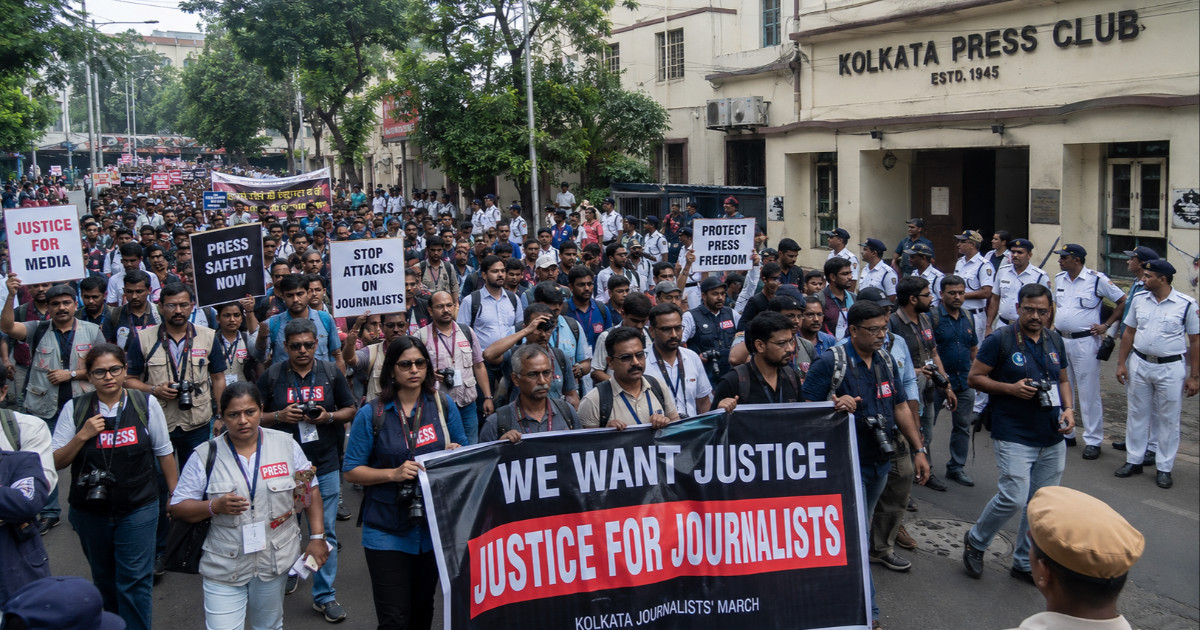
PHOTO: AI-generated; for illustrative purposes
Key Points
- NCCIA issued a summons to three journalists over content aired on a licensed TV channel.
- The report in question was discussed on Public News and circulated on digital platforms.
- Public News issued an apology for airing the contested material.
- Media observers question whether PEMRA, not NCCIA, should primarily regulate broadcast content.
- Media lawyers warn of overlapping frameworks when television content migrates online.
Key Questions & Answers
Why were the journalists summoned?
The NCCIA issued notices after a report aired on Public News and circulated online alleging significant government spending, prompting an inquiry.
Does the matter fall under PEMRA or NCCIA?
Observers differ: some argue that PEMRA should handle broadcast regulation, while NCCIA is pursuing cyber-related aspects once content appears online.
Did the TV channel respond?
Public News issued an apology for airing the contested report.
What concerns do media lawyers raise?
They warn of overlapping regulatory frameworks and unclear jurisdiction when TV content migrates to digital platforms.
Relevant Topics
Ask AI: Understand this story your way
AI EnabledDig deeper, ask anything — get instant context, background, and clarity.
Disclaimer: This feature is powered by AI and is intended to help readers explore and understand news stories more easily. While we strive for accuracy, AI-generated responses may occasionally be incomplete or reflect limitations in the underlying model. This feature does not represent the editorial views of JournalismPakistan. For our full, verified reporting, please refer to the original article.