
Journalist Frenchie Mae Cumpio case highlights Philippines press freedom test
JournalismPakistan.com | Published: 21 January 2026 | JP Asia Desk
Join our WhatsApp channel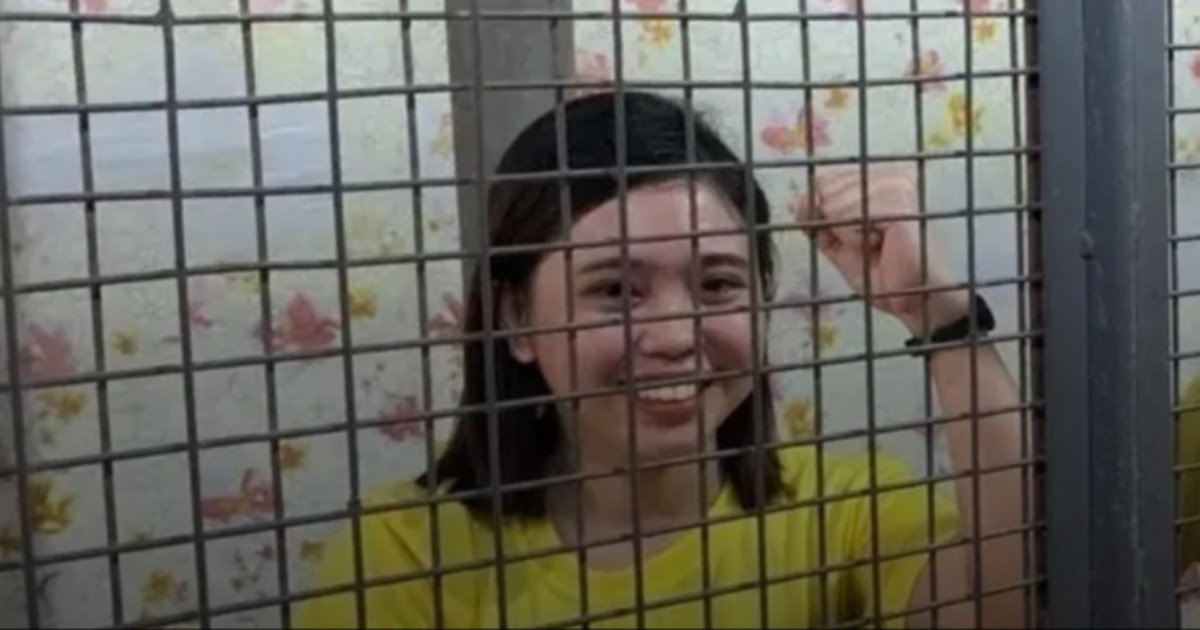
Journalist Frenchie Mae Cumpio's prolonged pretrial detention without conviction has become a focal point for concerns about press freedom in the Philippines. A January 2026 ruling on key charges will be viewed as a test of media rights and due process.Summary
MANILA, Philippines — The case of Filipino journalist Frenchie Mae Cumpio, who has been held in detention without a conviction for nearly six years, has drawn widespread international scrutiny as a key test of press freedom in the Philippines.
Cumpio, a Tacloban-based community journalist, was arrested in February 2020 and charged with illegal possession of firearms and financing terrorism, allegations she denies and which press freedom organizations describe as unfounded.
Cumpio’s prolonged pretrial detention has sparked condemnation from global media watchdogs and human rights advocates who argue that continued incarceration without a verdict undermines international norms on due process and freedom of expression. The court is scheduled to issue a ruling on one of the key charges in January 2026, with the outcome seen as a potential indicator of the state of media rights in the country.
Background of the charges and legal developments
Supporters say the charges against Cumpio are part of a broader pattern of punitive legal action against critical reporting, known locally as “red tagging,” in which journalists and activists are labeled as communist insurgents to justify prosecution. Before her arrest, Cumpio reported on alleged abuses by military and police forces in rural communities, work that advocates say put her at odds with authorities.
In November 2025, a Philippine court dismissed separate murder charges that had been brought against Cumpio in a case that rights groups criticized as lacking credible evidence. The Court of Appeals also reversed a civil forfeiture order tied to the terrorism financing allegations after finding no evidence linking her to terrorist activity. Despite those legal victories, the remaining charges of illegal firearms possession and terrorism financing persist, carrying potential sentences of up to 40 years if she is convicted.
International response and impact on press freedom
The prolonged detention of Cumpio has prompted coordinated action from a coalition of international and local press freedom organizations, including Reporters Without Borders, the Committee to Protect Journalists, Free Press Unlimited, and the National Union of Journalists of the Philippines. These groups have repeatedly called on President Ferdinand Marcos Jr. and the Department of Justice to ensure her immediate release and to drop all remaining charges.
In September 2025, more than 250 prominent journalists worldwide signed a joint letter urging Philippine authorities to end what they described as Cumpio’s unjust detention and to reaffirm the country’s commitment to press freedom. Advocates contend that how the courts handle her case will have ramifications for journalists and media organizations across the region, where similar prosecutions have raised concerns about shrinking civic space and legal harassment.
Broader implications for Philippine society
Beyond the legal battles, Cumpio’s case has drawn attention to conditions inside Philippine detention facilities and questions about respect for legal rights during pretrial procedures. Press freedom watchdogs have also highlighted reported obstructions to visits by international delegations seeking to monitor her situation, noting potential implications for transparency and accountability in the justice system.
Observers say the outcome of Cumpio’s case will be watched by media rights defenders and international partners for its potential impact on the Philippines’ standing in global press freedom rankings and its broader democratic institutions. A ruling that upholds prolonged detention without conviction could heighten concerns about the use of the legal system against journalists.
ATTRIBUTION: Reporting for this story used information from credible news organizations, media watchdog statements, and publicly available court documents.
PHOTO: Embassy of the Netherlands in the Philippines/Facebook
Key Points
- Frenchie Mae Cumpio has been detained since February 2020 and remains unconvicted after nearly six years in pretrial detention.
- She faces charges including illegal possession of firearms and financing terrorism, which she denies and which press groups call unfounded.
- Rights advocates say the case reflects a pattern of "red tagging" against journalists who report on alleged abuses by security forces.
- In November 202, a court dismissed separate murder charges against Cumpio; the Court of Appeals also reversed certain earlier rulings.
- A January 2026 ruling on a central charge is widely viewed as a potential indicator of the state of media rights in the Philippines.
Relevant Topics
Ask AI: Understand this story your way
AI EnabledDig deeper, ask anything — get instant context, background, and clarity.
Disclaimer: This feature is powered by AI and is intended to help readers explore and understand news stories more easily. While we strive for accuracy, AI-generated responses may occasionally be incomplete or reflect limitations in the underlying model. This feature does not represent the editorial views of JournalismPakistan. For our full, verified reporting, please refer to the original article.