.jpg)
Journalist deaths rise sharply in 2025, Gaza leads toll
JournalismPakistan.com | Published: 9 December 2025 | JP Global Monitoring Desk
Join our WhatsApp channel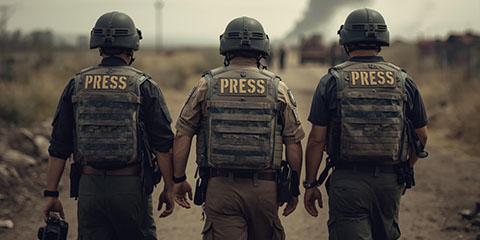
The 2025 RSF report reveals a troubling rise in journalist deaths, with Gaza being the most lethal region. 503 journalists are currently detained worldwide, highlighting the urgent need for enhanced safety measures and accountability.Summary
PARIS — The international media rights organisation Reporters Without Borders (RSF) has published its 2025 “deadly year” round-up, documenting the deaths of 67 journalists worldwide over the past 12 months. That number marks a slight increase from 2024 and confirms 2025 as one of the most dangerous years in recent memory for media professionals.
Gaza accounts for nearly half of global journalist deaths
According to RSF, 29 of the 67 journalists killed in 2025 were Palestinian reporters slain by Israeli forces in Gaza, representing roughly 43 percent of the total. The deadliest single attack occurred on August 25, when a “double-tap” strike on a hospital in southern Gaza killed five journalists, including contributors to international agencies. RSF described 2025 as the third year in a row in which its report named Israeli forces the top killers of journalists worldwide.
Global hotspots beyond Gaza pose grave risks
The report also underscored rising danger in other conflict zones and countries plagued by organised crime. In Mexico, at least nine journalists were killed in 2025, making it the world’s second most dangerous country for reporters this year. In Sudan, four media workers died, two following abductions by paramilitary forces. In Ukraine and other conflict zones, foreign and local reporters continued to face targeted lethal violence.
Detentions, disappearances, and rising impunity
Beyond killings, the RSF report said 503 journalists are currently detained in 47 countries, with China (121), Russia (48), and Myanmar (47) housing the largest numbers. It also listed 135 missing media professionals in 37 countries, and 20 held hostage. RSF warned that most deaths were not accidents or crossfire casualties but deliberate targeting of journalists for their work, by armed forces or criminal networks.
Implications for press freedom, law, and media safety
The 2025 findings reconfirm that frontline journalism, especially in war zones, authoritarian states and crime-ridden regions, remains a high-risk endeavour. For media organizations, the report underscores the need for stronger safety protocols, support for freelancers and local staff, and pressure for accountability. For governments and international bodies, the high toll calls for renewed commitments to protecting press freedom and press workers under international law.
ATTRIBUTION: Based on the 2025 report from Reporters Without Borders and associated coverage by other media.
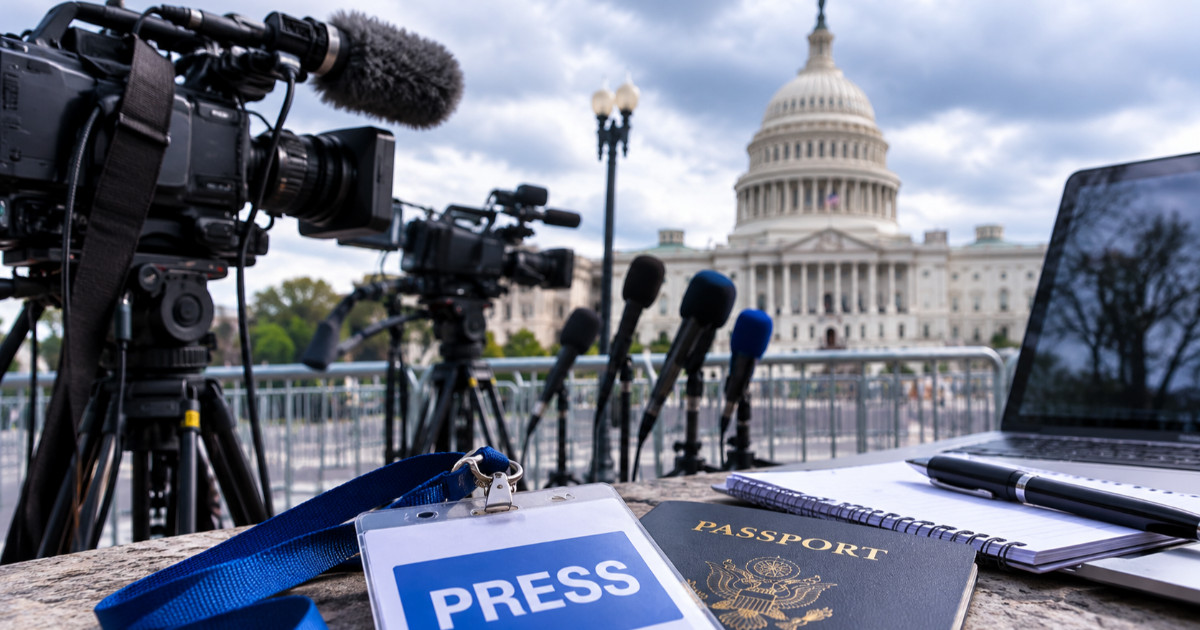
PHOTO: AI-generated; for illustrative purposes only
Key Points
- 67 journalists killed globally in 2025, per RSF annual report
- 29 of those killed were Palestinian reporters in Gaza, accounting for about 43 percent of all journalist deaths worldwide
- Mexico, Sudan, Ukraine, and other conflict zones remain among the most dangerous places for media workers
- 503 journalists are currently detained worldwide, with China, Russia, and Myanmar holding the largest numbers
- RSF characterises most of the deaths as deliberate attacks on journalists by armed forces or criminal networks
Relevant Topics
Ask AI: Understand this story your way
AI EnabledDig deeper, ask anything — get instant context, background, and clarity.
Disclaimer: This feature is powered by AI and is intended to help readers explore and understand news stories more easily. While we strive for accuracy, AI-generated responses may occasionally be incomplete or reflect limitations in the underlying model. This feature does not represent the editorial views of JournalismPakistan. For our full, verified reporting, please refer to the original article.