
Jimmy Lai sentenced to 20 years in Hong Kong
JournalismPakistan.com | Published: 9 February 2026 | JP Asia Desk
Join our WhatsApp channel
A Hong Kong court on Feb. 9 sentenced veteran publisher Jimmy Lai to 20 years under the national security law after convicting him of colluding with foreign forces and publishing seditious materials. Rights groups called the ruling a blow to press freedom.Summary
HONG KONG — A Hong Kong court on February 9 sentenced veteran publisher Jimmy Lai to 20 years in prison under the city’s national security law, marking one of the most high-profile convictions of a media figure since the law was imposed in 2020.
Lai, founder of the now-defunct Apple Daily, was convicted on charges including colluding with foreign forces and publishing seditious materials. The case has drawn widespread international attention as a test of press freedom and judicial independence in the semi-autonomous Chinese territory.
Trial seen as landmark for press freedom
The prosecution argued that Lai used his media platform to call for foreign sanctions and undermine national security, allegations he has denied. Apple Daily, once one of Hong Kong’s most widely read pro-democracy newspapers, ceased operations in 2021 after authorities froze its assets and arrested senior executives.
Hong Kong’s national security law, enacted by Beijing in June 2020, criminalizes acts of secession, subversion, terrorism, and collusion with foreign forces. Authorities have said the law is necessary to restore stability following large-scale protests in 2019, while critics argue it has curtailed fundamental freedoms promised under the “one country, two systems” framework.
International response and broader implications
The Committee to Protect Journalists and Human Rights Watch condemned the sentence, describing it as a major setback for press freedom in Hong Kong. Both organizations said the ruling sends a chilling signal to journalists and media owners operating in the territory.
Governments in the United States and Europe have previously raised concerns about the use of the national security law against media figures and activists. The case against Lai followed years of legal proceedings, including separate convictions related to unauthorized assemblies during the 2019 protests.
Apple Daily was known for its outspoken pro-democracy stance and investigative reporting. Its closure and Lai’s prosecution have been widely cited by media advocacy groups as emblematic of shrinking space for independent journalism in Hong Kong.
WHY THIS MATTERS: The case illustrates how national security laws can be used to target media owners and editorial leadership, reshaping entire news ecosystems. For Pakistani journalists and media organizations, it underscores the importance of legal preparedness, digital security, and diversified business models in environments where regulatory pressure may intensify.
ATTRIBUTION: Information based on court proceedings in Hong Kong and statements issued by the Committee to Protect Journalists and Human Rights Watch.
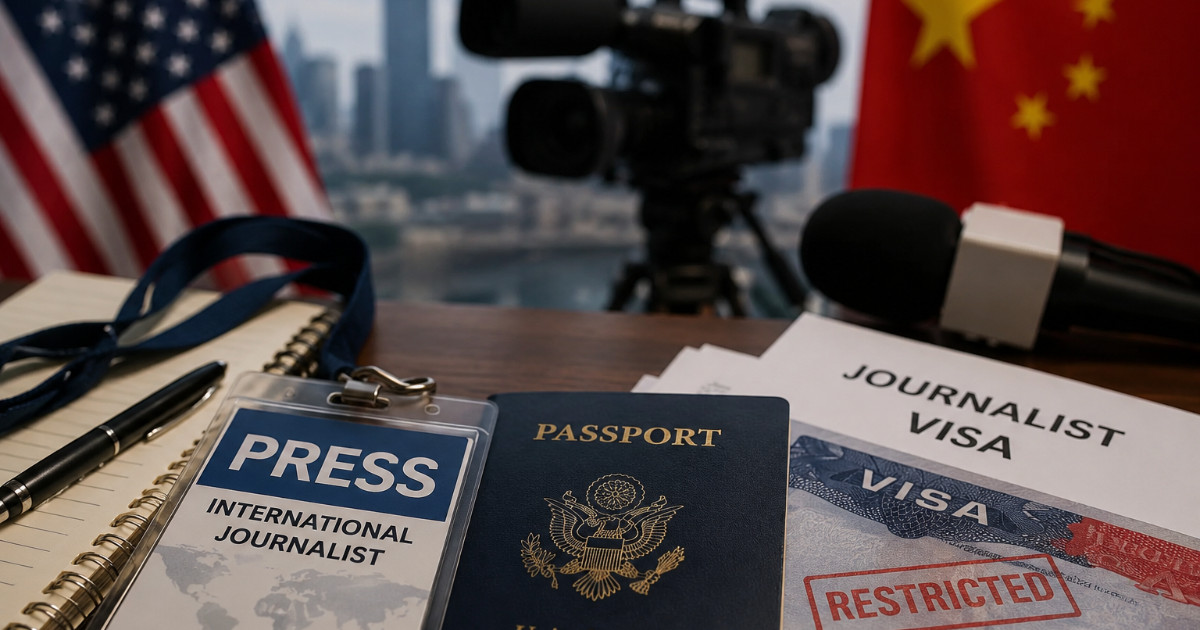
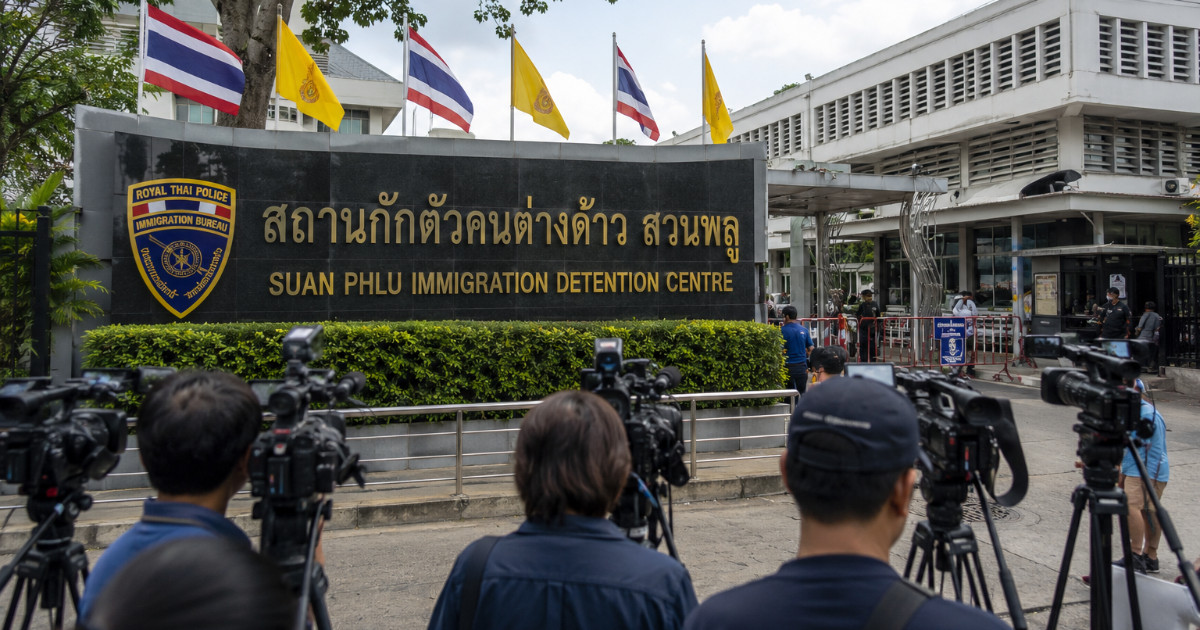
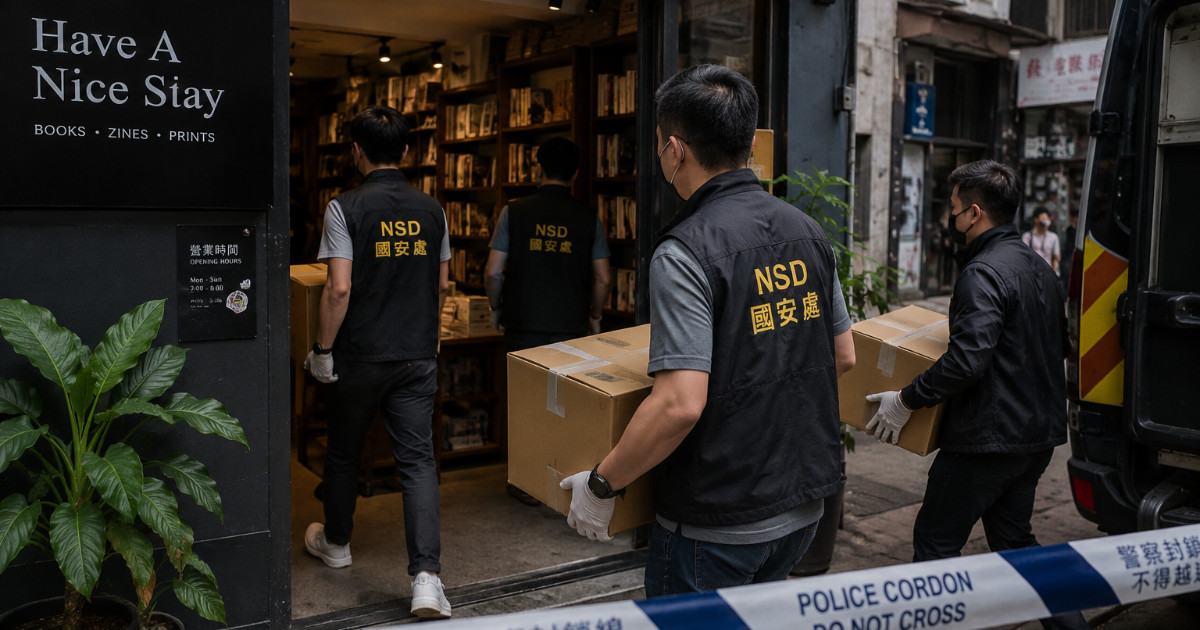
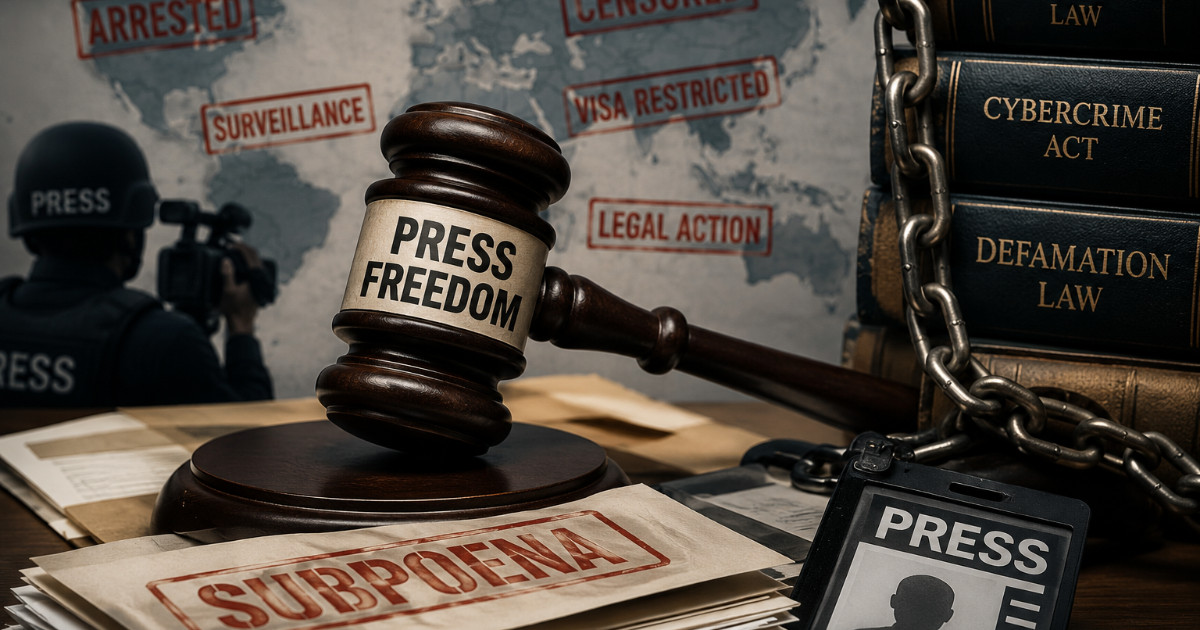
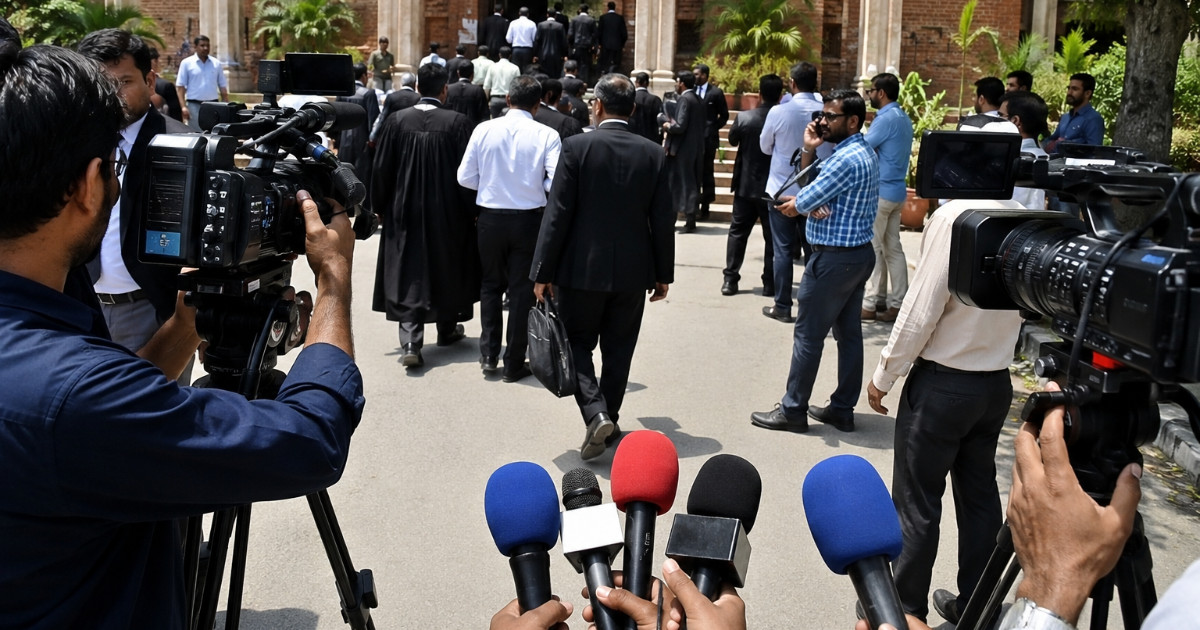
PHOTO: AI-generated; for illustrative purposes only.
Key Points
- A Hong Kong court sentenced Jimmy Lai to 20 years under the national security law.
- Lai was convicted of colluding with foreign forces and publishing seditious materials.
- Apple Daily, Lai's pro-democracy newspaper, shut down after assets were frozen and executives arrested.
- The national security law, enacted in 2020, criminalizes secession, subversion, terrorism, and collusion with foreign forces.
- Rights groups, including CPJ and HRW, condemned the sentence as a major setback for press freedom and judicial independence.
Relevant Topics
Ask AI: Understand this story your way
AI EnabledDig deeper, ask anything — get instant context, background, and clarity.
Disclaimer: This feature is powered by AI and is intended to help readers explore and understand news stories more easily. While we strive for accuracy, AI-generated responses may occasionally be incomplete or reflect limitations in the underlying model. This feature does not represent the editorial views of JournalismPakistan. For our full, verified reporting, please refer to the original article.