
Iran escalates media crackdown with raids and seizures
JournalismPakistan.com | Published: 11 February 2026 | JP Middle East Desk
Join our WhatsApp channel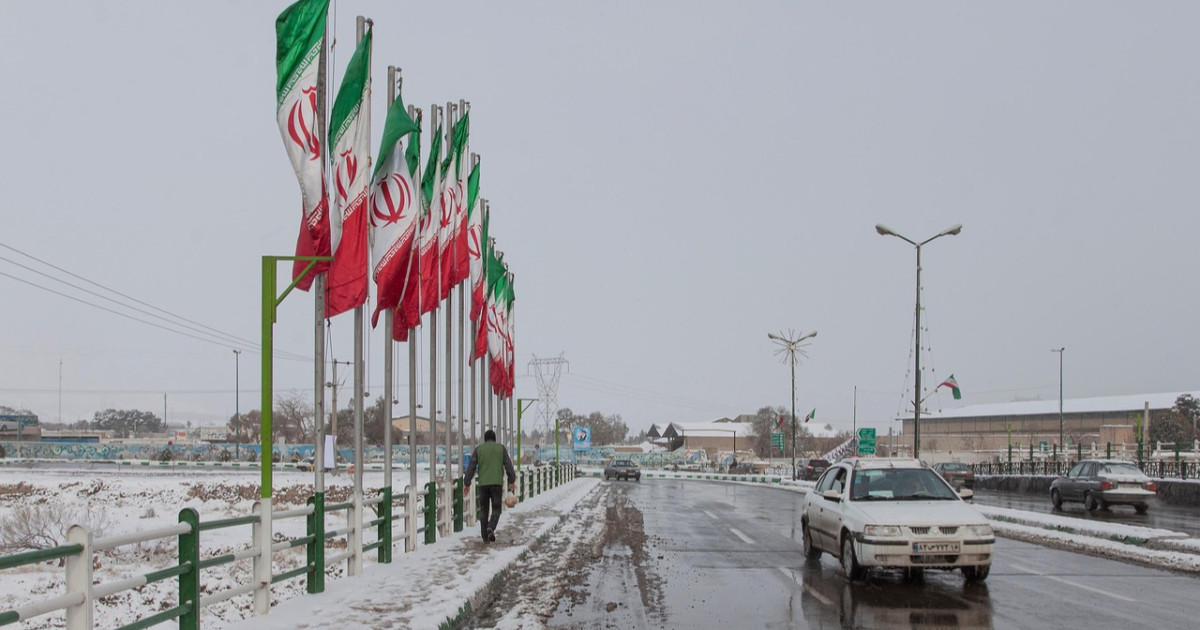
Iranian security forces have intensified a media crackdown amid protests, raiding journalists' homes, seizing phones, laptops and IDs, blocking bank accounts and SIMs, and summoning editors, freelancers and a photographer as part of efforts to curb reporting.Summary
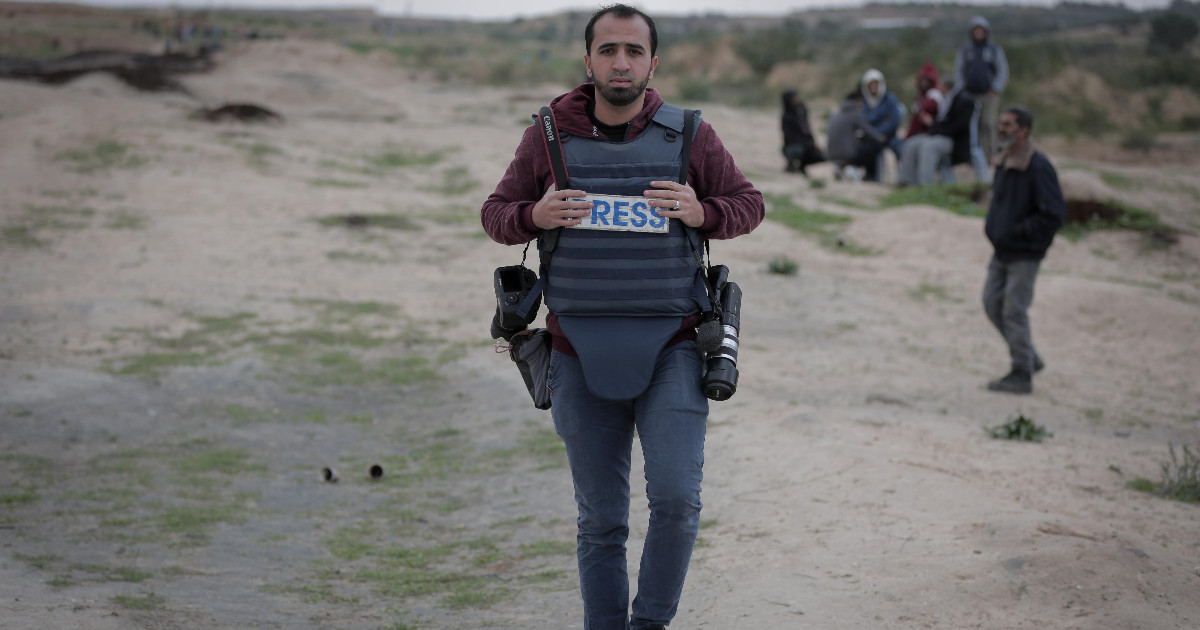
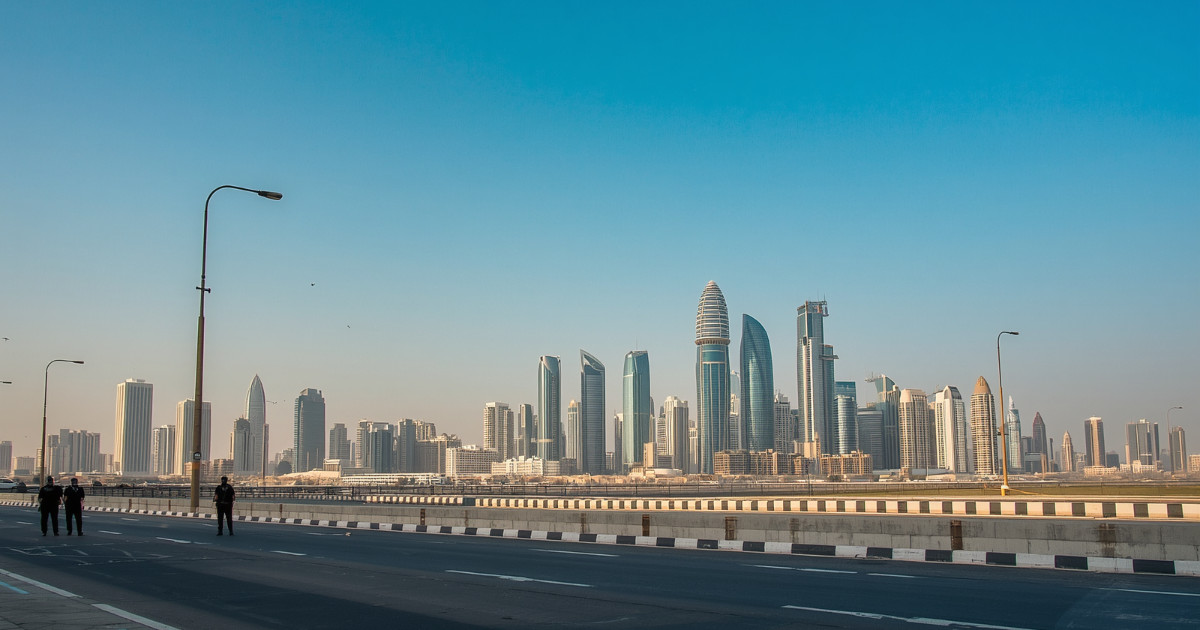
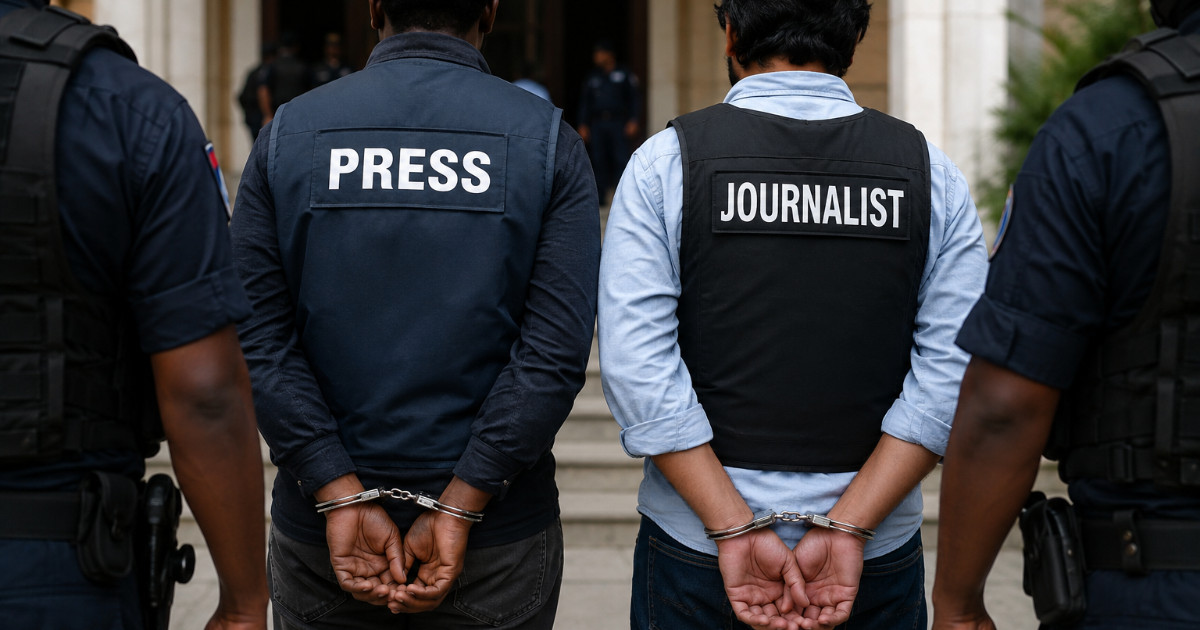
TEHRAN, Iran — Iranian authorities have intensified efforts to silence independent media amid widespread protests, carrying out security raids on journalists’ homes, confiscating equipment, and imposing financial and communication restrictions, according to an alert from the Committee to Protect Journalists. The escalation reflects a broader campaign to limit reporting on protests that began in late 2025, with at least several journalists targeted in recent days.
Targets include editors and freelancers
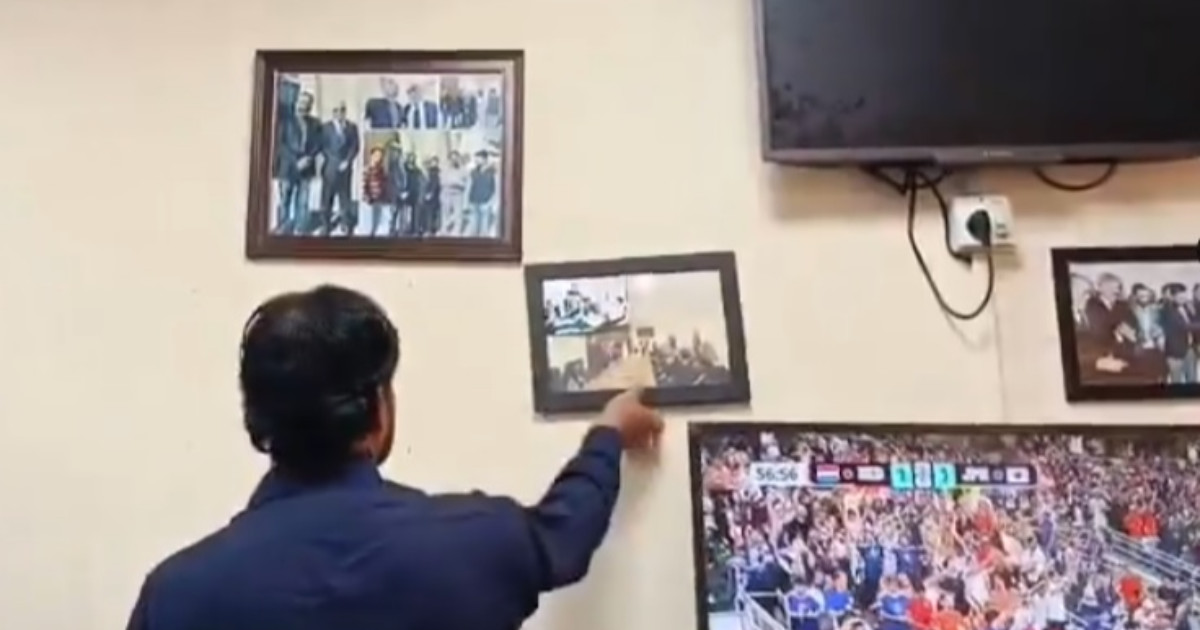
Several journalists and media workers have reported homes being searched and essential work devices seized, including mobile phones, laptops, and identification documents. Azadeh Mokhtari, a social affairs editor at the Rokna news website, said her electronics were taken during a security raid, though some were later returned as legal proceedings continue.
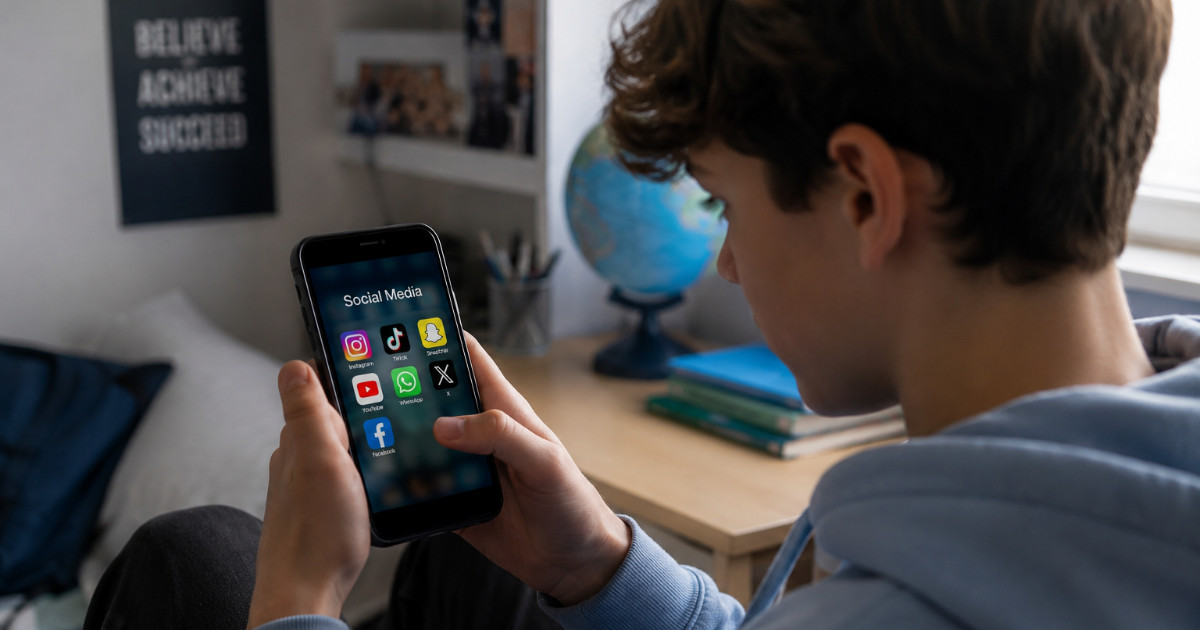
Separately, police summoned and reportedly searched the home of Mohammad Parsi, editor-in-chief of the literary publication Kandoo, and freelance journalist Kianoosh Darvishi reported his bank accounts were blocked after being questioned by Iran’s cyber police. Communication restrictions have also affected media workers, with some reporters experiencing blocked SIM cards without notice.
Broader clampdown on press freedom
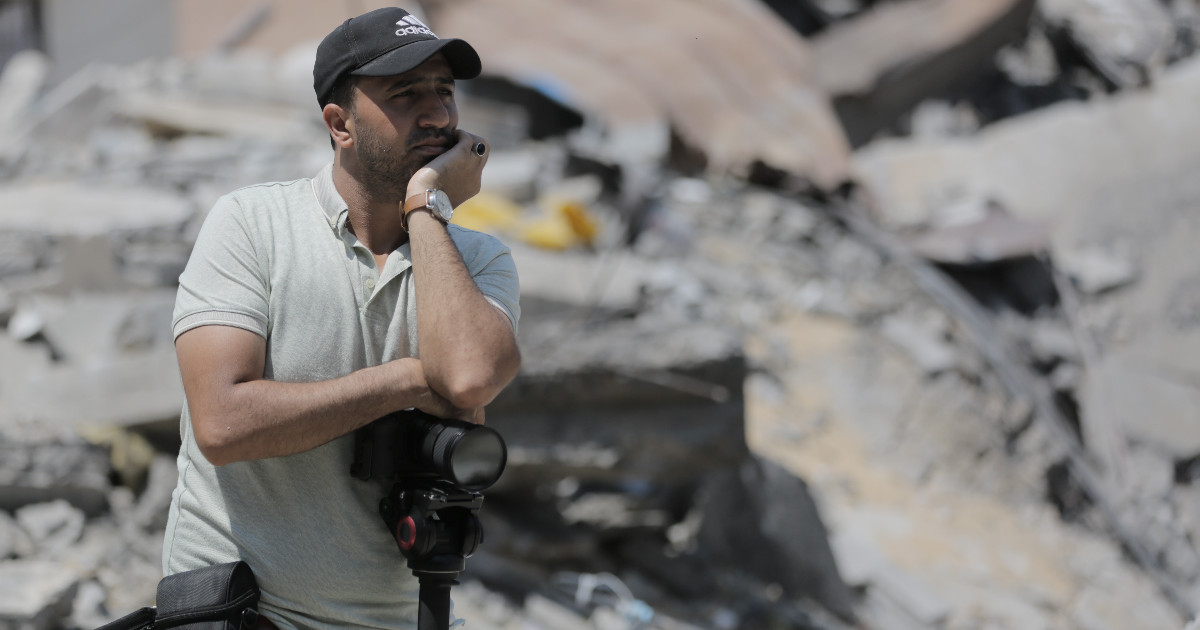
On February 3, security forces, including members of Iran’s Islamic Revolutionary Guard Corps, raided the Tehran home of award-winning photographer Yalda Moaiery, confiscating cameras and other electronic devices as part of efforts to suppress documentation of protests. The CPJ alert noted additional arrests of journalists since protests began on December 28, 2025, with some later released. Iranian authorities have not responded to requests for comment.
Iran’s intensified actions against journalists come against a backdrop of broader internet restrictions and communications blackouts that have hindered independent reporting and information flow during the protests. These measures are consistent with longstanding patterns of media control and censorship in the country, where authorities restrict access to online platforms and monitor communications to limit dissenting voices.
WHY THIS MATTERS: For Pakistani journalists and media organizations, the escalation of punitive measures against independent media in Iran highlights risks associated with reporting under restrictive regimes and the importance of strategies to protect press freedom. The case underscores the need for robust digital security practices, contingency plans for communications disruptions, and international advocacy to support journalists facing state-led harassment.
ATTRIBUTION: This report is based on a Committee to Protect Journalists alert and corroborated contextual details from publicly available sources.
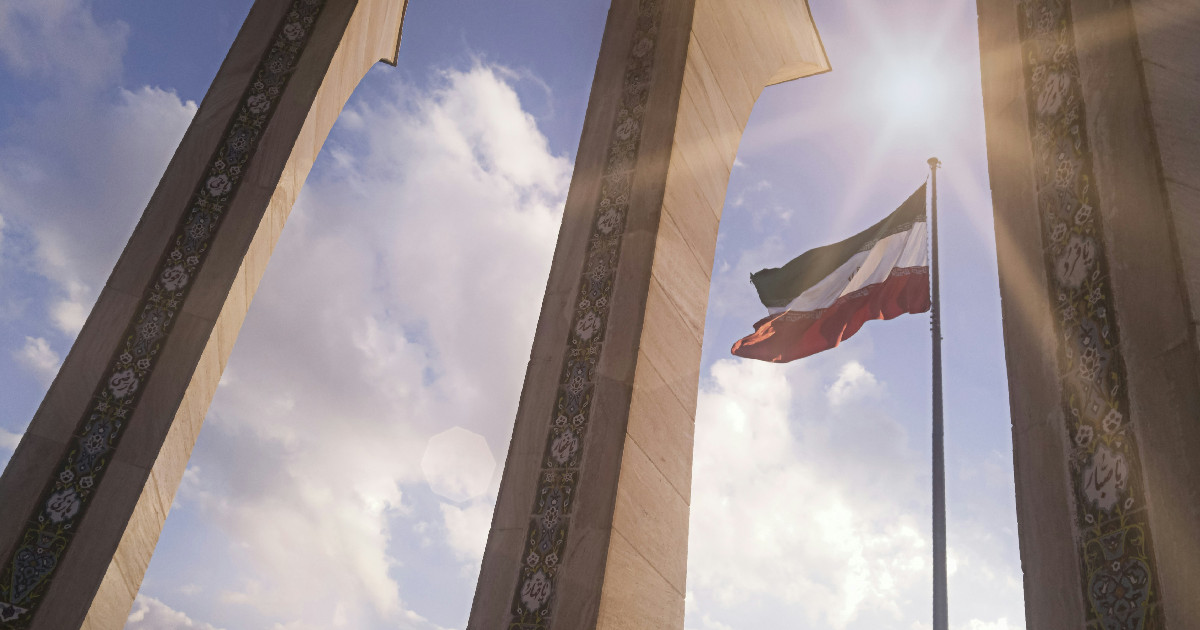
PHOTO: By mostafa meraji from Pixabay
Key Points
- Security raids conducted on journalists' homes and workplaces in Tehran and other areas.
- Phones, laptops, cameras and identification documents were confiscated during searches.
- Some reporters reported blocked bank accounts and disabled SIM cards after questioning.
- Targets include editors, freelancers and an award-winning photographer, with IRGC members reported among security forces involved.
- The Committee to Protect Journalists issued an alert documenting the escalation and restrictions on press freedom.
Relevant Topics
Ask AI: Understand this story your way
AI EnabledDig deeper, ask anything — get instant context, background, and clarity.
Disclaimer: This feature is powered by AI and is intended to help readers explore and understand news stories more easily. While we strive for accuracy, AI-generated responses may occasionally be incomplete or reflect limitations in the underlying model. This feature does not represent the editorial views of JournalismPakistan. For our full, verified reporting, please refer to the original article.