
Indian media and the Pakistan fixation
JournalismPakistan.com | Published: 23 December 2025 | Shafaat Yar Khan
Join our WhatsApp channel
Indian media's coverage of Pakistan in 2025 showcased heightened nationalism impacting reporting across various spheres including politics and sports. This approach risks distorting public perception and undermining journalistic integrity.Summary
SYDNEY — Relations between India and Pakistan once again dominated South Asian headlines in 2025, driven not only by geopolitics and security concerns but also by the Indian media’s sustained focus on Pakistan across politics, diplomacy, and sport. From military tensions to cricket matches, Pakistan remained a constant reference point, frequently framed through an adversarial lens in television debates and newspaper commentary.
This pattern was particularly visible during the military escalation in May 2025, which followed cross-border tensions after militant violence in Indian-administered Kashmir. Several Indian news outlets adopted highly charged coverage marked by emotive language, speculative claims, and nationalist framing, often blurring the distinction between verified reporting and opinion-driven commentary.
Media coverage during security tensions
Rather than prioritizing restraint and verification, sections of the media emphasized narratives of strength and retaliation, reinforcing a Pakistan-centric frame that has become familiar during periods of bilateral tension. Media analysts noted that such coverage risks narrowing public understanding by favoring confrontation over context and nuance.
The same editorial mindset extended into sports journalism, most visibly during a recent Under-19 Asia Cup final held in Dubai, where Pakistan defeated India by a decisive margin. In sporting terms, the match called for technical analysis, reflection on team performance, and recognition of the winning side’s execution on the field.
Sports, politics, and the handshake debate
Instead, large segments of Indian television and print media shifted focus away from cricket. Coverage centered on the trophy presentation by the Pakistan Cricket Board chairman, a routine administrative act under tournament protocol, which was portrayed in some discussions as politically charged. Studio debates and headlines emphasized perceived discomfort rather than match analysis, sidelining athletic performance.
Attention also turned to the absence of handshakes between the Indian and Pakistani players, a departure from long-standing cricketing custom. Rather than questioning the erosion of sporting etiquette, some outlets highlighted the gesture as symbolic distance, reinforcing political narratives within a sporting context. Similar incidents in earlier men’s and women’s fixtures were cited approvingly, suggesting a growing acceptance of politicization in sport.
Broader implications for journalism
Critics argue that this approach reflects a deeper issue within Indian media culture, where Pakistan is frequently positioned as a perpetual antagonist rather than a neighboring state or sporting rival. Election cycles, security crises, and sporting defeats often revive the same frames, limiting space for sober analysis and professional detachment.
Such coverage, media observers warn, ultimately undermines journalistic credibility and burdens athletes with symbolic expectations unrelated to sport. Objective reporting, critical self-reflection, and respect for basic sporting norms are widely regarded as indicators of a confident media ecosystem. Without these, Indian journalism risks remaining trapped in a cycle driven more by noise than by news.
ABOUT THE WRITER: Shafaat Yar Khan is a special correspondent for JournalismPakistan.com in Sydney.
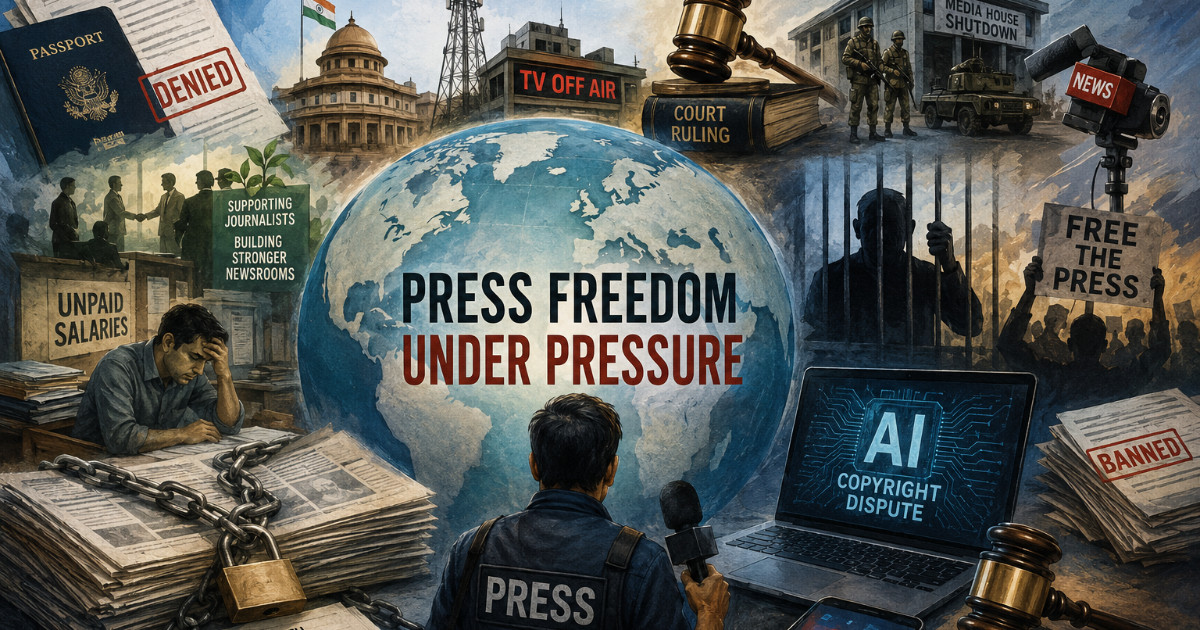
PHOTO: AI-generated; for illustrative purposes only
Key Points
- Indian media coverage of Pakistan intensified in 2025 across security, politics, and sports
- Nationalist framing during military tensions often overshadowed verified reporting
- Sports journalism frequently shifted from match analysis to political symbolism
- The absence of handshakes was highlighted as political signaling rather than questioned as a loss of sportsmanship
- Media analysts warn that this trend weakens journalism and distorts public understanding
Relevant Topics
Ask AI: Understand this story your way
AI EnabledDig deeper, ask anything — get instant context, background, and clarity.
Disclaimer: This feature is powered by AI and is intended to help readers explore and understand news stories more easily. While we strive for accuracy, AI-generated responses may occasionally be incomplete or reflect limitations in the underlying model. This feature does not represent the editorial views of JournalismPakistan. For our full, verified reporting, please refer to the original article.