
Halted ARY segment highlights pressures on journalism
JournalismPakistan.com | Published: 19 March 2026 | JP Staff Report
Join our WhatsApp channel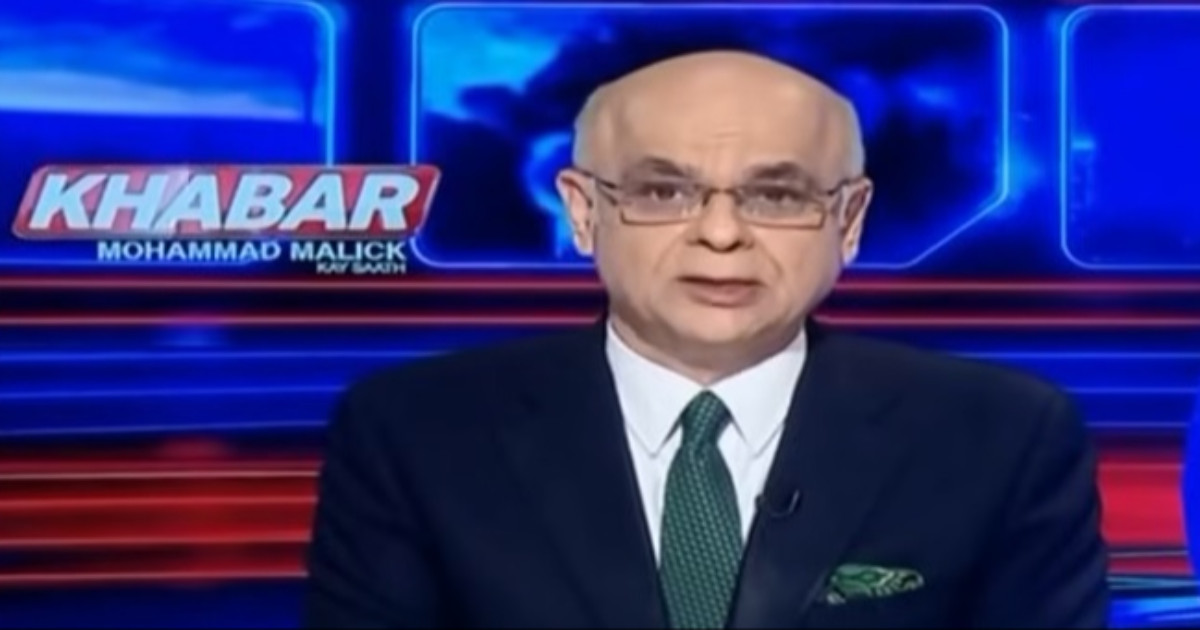
The removal of Mohammad Malick's ARY segment on a Punjab luxury aircraft purchase highlights strains on editorial independence and, without evidence of regulatory action, underscores professional risks for senior anchors and their newsrooms.Summary
ISLAMABAD — The reported removal of a segment of Mohammad Malick’s program on ARY News, where he questioned the Punjab government over a luxury aircraft purchase, has sparked fresh concerns about the state of editorial freedom in Pakistan.
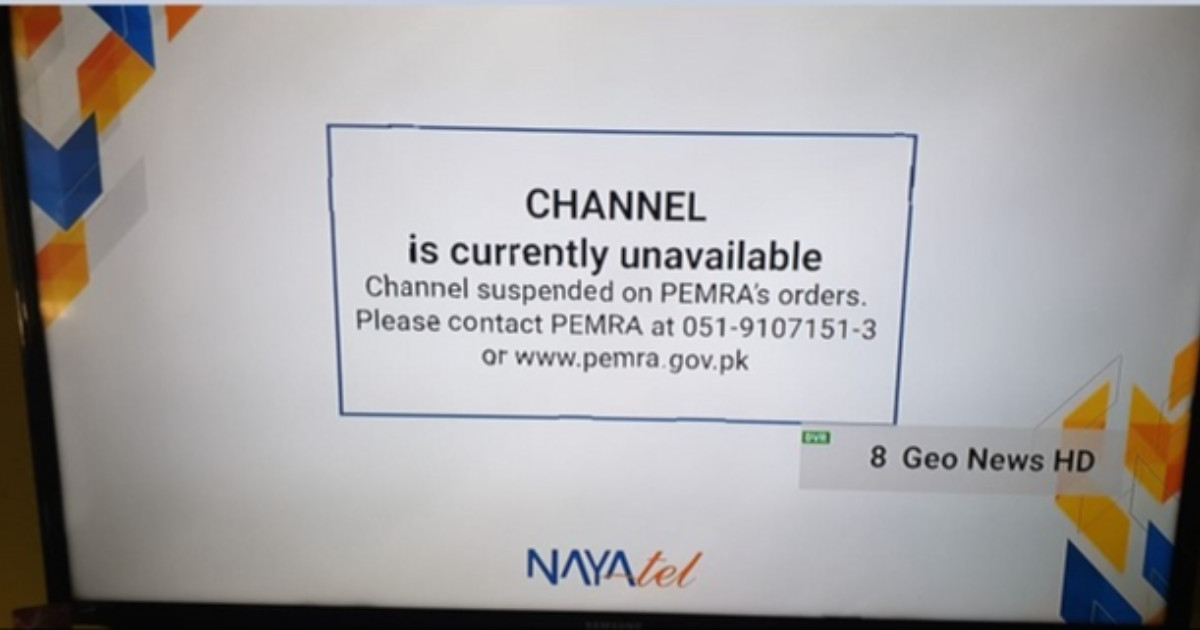
While no formal ban or regulatory action has been confirmed, the abrupt halt of a high-profile investigative segment underscores the complex pressures senior journalists and media organizations face when reporting on politically sensitive topics.
Implications for the anchor
As a senior anchor, Mohammad Malick has built credibility around probing government accountability and financial transparency. Yet, challenging entrenched political interests carries significant professional risks. The removal of his segment, whether due to internal editorial decisions or external pressures, signals the fragility of autonomy even at the highest levels of newsrooms.
Anchors in such situations face a difficult choice: pursue hard-hitting investigations and risk reprisals, or limit their reporting to avoid controversy. This incident highlights how personal reputation and professional courage intersect with institutional constraints in shaping what journalists can safely cover.
Impact on the organization
For ARY News, the situation illuminates a broader tension between editorial integrity and political realities. Leading private broadcasters operate in a challenging environment in which access to government sources, regulatory oversight, and public perception are continually balanced against journalistic independence. Episodes like this may encourage self-censorship within the newsroom, as reporters and producers calibrate their coverage to avoid conflict with political authorities. The reputational stakes are high: suppressing investigative content can erode public trust, yet defying pressure can expose the network to fines, license scrutiny, or political backlash.
Wider consequences for the Pakistani media
The Malick incident is not just about a single anchor or channel; it reflects systemic challenges within Pakistan’s media ecosystem. Independent investigative reporting, especially on government spending or elite privileges, remains fraught with both overt and subtle forms of pressure. Even in the absence of explicit censorship, newsrooms may alter coverage priorities, leaving the public with fewer insights into accountability and governance. The broader implication is that the space for fearless journalism is shrinking, affecting not only senior anchors but also mid-level reporters and investigative teams striving to hold power to account.
This episode underscores a recurring dilemma: the need for rigorous investigative journalism versus the risks posed by political and institutional constraints. For Pakistani media to retain credibility and perform its watchdog role, organizations must strengthen editorial safeguards, foster supportive reporting cultures, and protect journalists from undue interference. For audiences, the case of Mohammad Malick is a stark reminder that access to full and transparent reporting often depends on both the courage of individual journalists and the resilience of the institutions that employ them.
WHY THIS MATTERS: The incident underscores the growing pressures on broadcast journalists in Pakistan, where even high-profile anchors may face subtle or overt constraints when investigating politically sensitive issues. For media organizations, it highlights the risk of self-censorship and the importance of strong editorial safeguards. Journalists and newsroom leaders can view this as a reminder that maintaining credibility and public trust often requires balancing courageous reporting with institutional resilience.
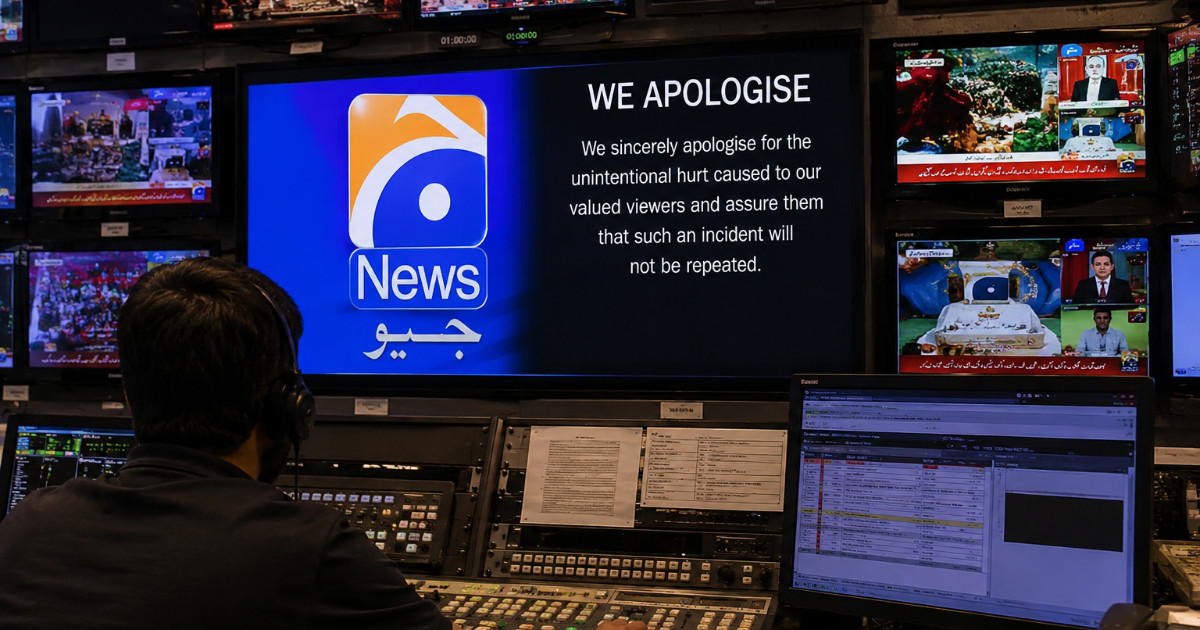
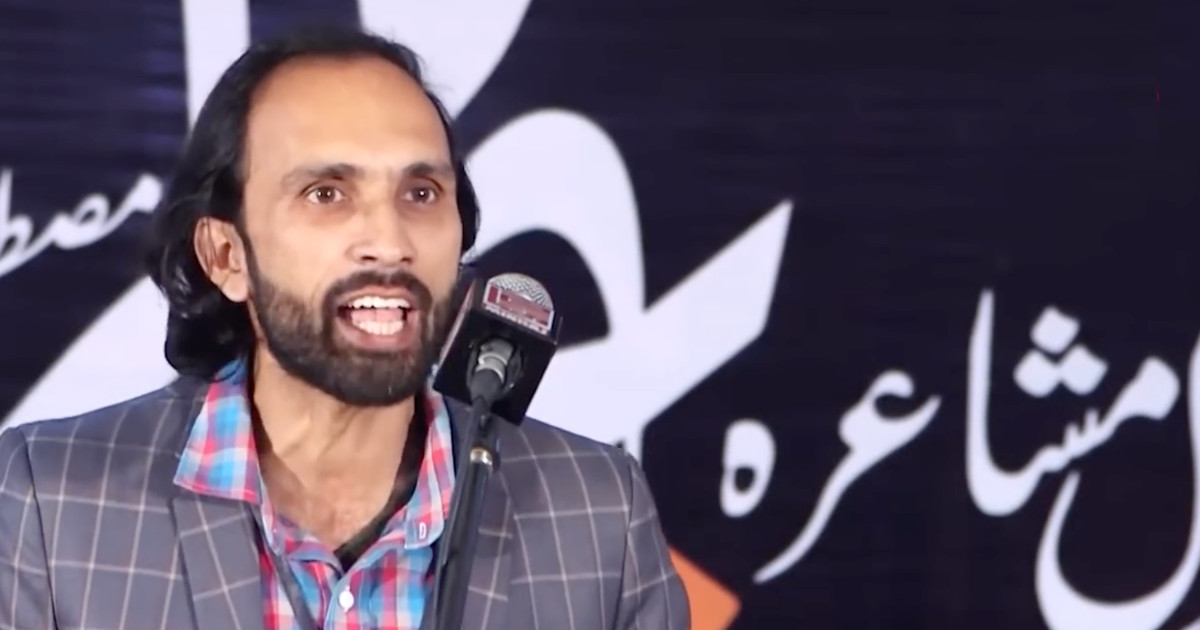
PHOTO: Screenshot from Mohammad Malick’s program on ARY News
Key Points
- ARY halted a high-profile segment by senior anchor Mohammad Malick on a Punjab government aircraft purchase.
- No formal ban or regulatory action has been confirmed publicly regarding the segment's removal.
- The incident highlights tensions between editorial independence and political or institutional pressures.
- Senior anchors face reputational and professional risks when pursuing politically sensitive investigations.
- Private broadcasters must balance access, regulatory risks, and journalistic integrity in a challenging environment.
Key Questions & Answers
Was the segment officially banned?
No formal ban or regulatory action has been confirmed; reports describe an abrupt halt but no official enforcement has been announced.
Why was the segment removed?
No official explanation has been made public; available accounts indicate the segment was halted but do not specify whether the decision was internal or externally prompted.
What risks do anchors face in such cases?
Anchors risk reputational damage, loss of access to sources, and potential institutional reprisals when they pursue politically sensitive reporting.
What does this episode mean for media freedom?
The episode underscores the fragility of editorial independence and the pressures that can limit investigative reporting in politically sensitive areas.
Relevant Topics
Ask AI: Understand this story your way
AI EnabledDig deeper, ask anything — get instant context, background, and clarity.
Disclaimer: This feature is powered by AI and is intended to help readers explore and understand news stories more easily. While we strive for accuracy, AI-generated responses may occasionally be incomplete or reflect limitations in the underlying model. This feature does not represent the editorial views of JournalismPakistan. For our full, verified reporting, please refer to the original article.