
From regulation to repression: key press freedom stories across Asia
JournalismPakistan.com | Published: 23 March 2026 | JP Staff Report
Join our WhatsApp channel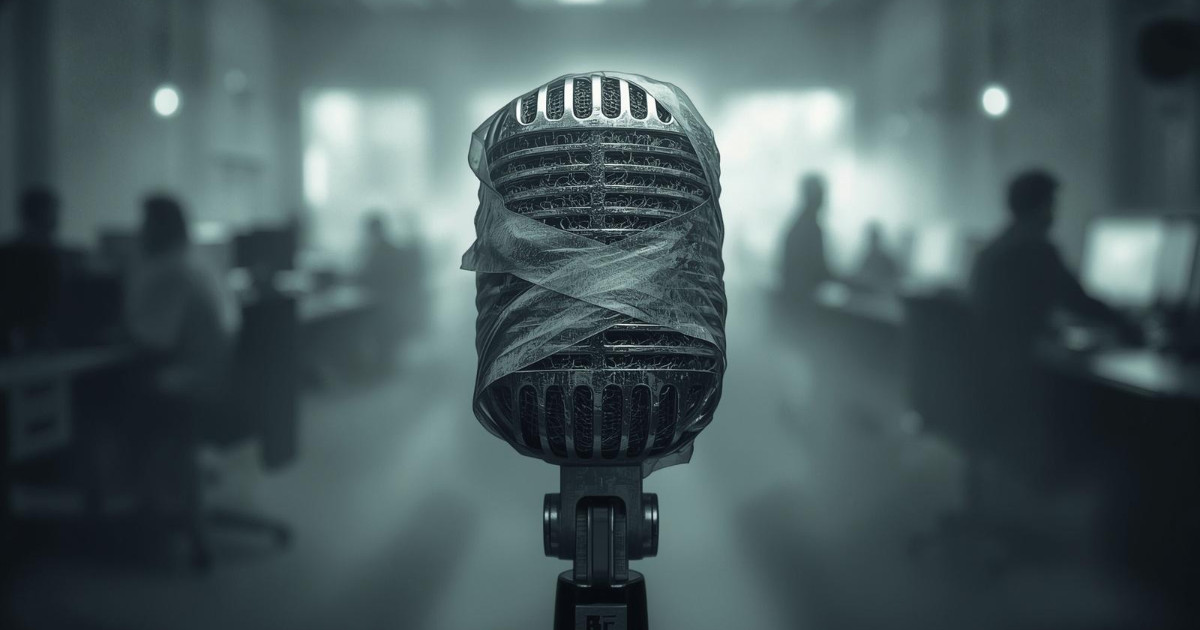
Across Asia, legal measures, notably India's digital takedowns under Section 69A and challenges to a privacy law, alongside censorship, detentions and cross-border reporting limits, are compressing space for independent journalism and shaping press debates.Summary
ISLAMABAD — Last week underscored deepening challenges for media freedom and journalism across Asia, as legal and regulatory pressures tightened in major democracies, censorship and detentions continued in authoritarian contexts, and cross‑border reporting faced heightened constraints. From India’s top court gearing up to hear arguments over a privacy law that journalists warn could blunt access to official data, to persistent repression of independent reporting in Southeast Asia, the region’s newsrooms are confronting structural threats that are likely to shape coverage and press freedom debates this week and beyond.
India’s use of digital laws to restrict online expression escalated last week, as multiple social media accounts critical of government policies were blocked within the country under Section 69A of the Information Technology Act, 2000, prompting criticism from rights groups and opposition figures about rising censorship and its implications for independent journalism. The restrictions form part of a broader backdrop of legal and regulatory pressures facing media freedom across Asia.
The move involved several X (formerly Twitter) accounts that posted political commentary and satire targeting government actions, including criticism of administration policies and leadership. According to platform notifications sent to users on March 18, 2026, these accounts were withheld within India after a government takedown order, a development described by digital rights advocates as an “alarming” trend that blurs the line between lawful content moderation and political censorship.
Wider digital censorship trends and legal challenges in India
Critics, including the Internet Freedom Foundation, argue that the opaque use of takedown orders under Section 69A, which historically has been applied in cases involving national security or public order, risks chilling critical reporting and cutting domestic audiences off from dissenting viewpoints. Many of the affected accounts were pseudonymous and hosted content that remained accessible to users outside India but not within its borders, highlighting emerging digital censorship trends.
Last week also saw Indian journalists and transparency advocates challenge the Digital Personal Data Protection Act (DPDPA) 2026 alongside a Right to Information amendment, arguing in court filings that the combined legal framework could hinder access to government records essential for investigative journalism and accountability reporting. Plaintiffs contend the law’s definitions of “personal data” and the stringent penalties for non‑compliance may deter journalists from pursuing sensitive topics such as corruption and public policy failures.
Concurrent with these digital censorship and legal pressure concerns, the sealing of the United News of India (UNI) office under a court order tied to a property dispute sparked fresh press freedom apprehensions among Indian media bodies, with some journalists alleging forceful eviction and misconduct during the operation. Though authorities deny wrongdoing, observers say such incidents contribute to an atmosphere of uncertainty for media operations in democratic contexts.
Asia’s broader media freedom environment
The digital restrictions in India resonate with longstanding press freedom challenges in South Asia, including the ongoing detention of Kashmiri journalists and the 2023 blocking of independent outlets such as The Kashmir Walla within the region, a move repeatedly condemned by rights groups for undermining free speech and independent reporting in politically sensitive areas.
Last week’s developments point to a widening spectrum of pressures on Asian media — from regulatory constraints in democratic systems to outright repression in more restrictive environments. The coming days will test how far legal safeguards, particularly in India’s courts, can balance state power and press freedom, while ongoing detentions and censorship across the region continue to shape newsroom risk calculations. For journalists, the trajectory is clear: legal frameworks and digital controls are becoming central battlegrounds in the fight to report freely across Asia.
WHY THIS MATTERS: These developments illustrate how digital regulation and takedown mechanisms are increasingly used to shape public discourse and constrain critical reporting, a dynamic that resonates beyond India. For Pakistani journalists and media professionals, understanding these trends matters for anticipating similar legal pressures, preparing robust digital rights strategies, and safeguarding online content and platforms against opaque censorship that can affect newsroom reach and independent reporting.
ATTRIBUTION: Information cited from publicly available reporting by Reuters (March 20, 2026) and a publicly available statement issued by the Internet Freedom Foundation (March 19, 2026).
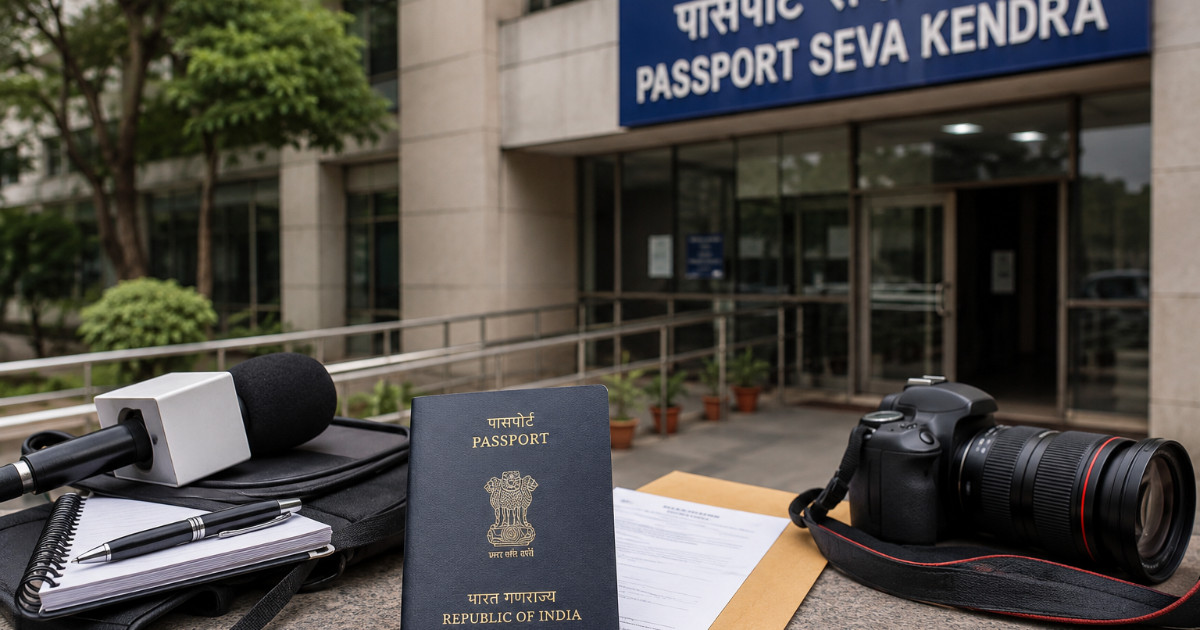
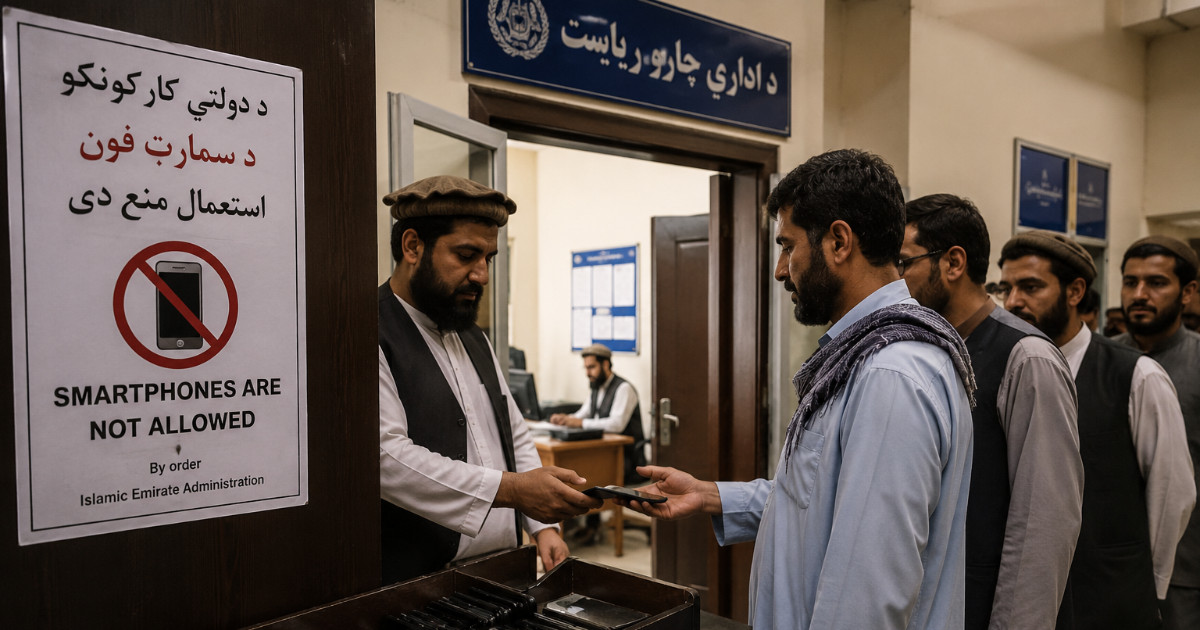
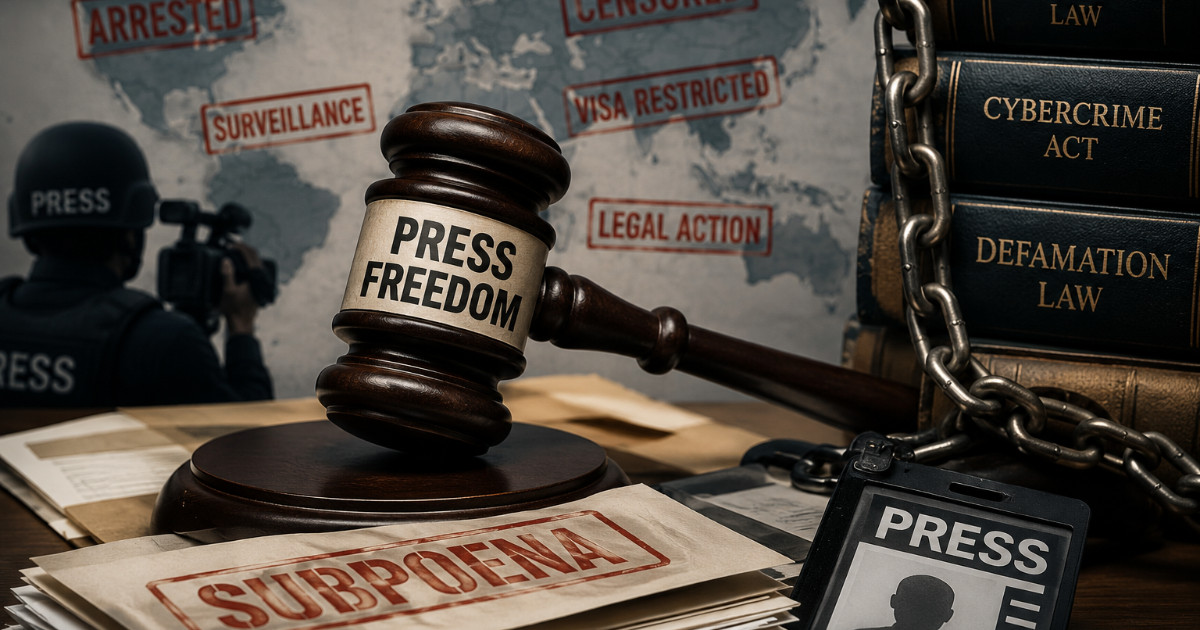
PHOTO: AI‑generated; for illustrative purposes only.
Key Points
- Legal and regulatory pressures are tightening in major Asian democracies and authoritarian states alike.
- India used Section 69A takedown orders to withhold multiple X accounts critical of government policy.
- India's top court will hear arguments over a contested privacy law that journalists warn may limit access to official data.
- Southeast Asian countries continue to use censorship and detentions to silence independent reporting.
- Cross-border reporting faces heightened constraints that could reshape newsroom coverage and regional accountability.
Key Questions & Answers
What actions did India take recently against online accounts?
Authorities issued takedown orders under Section 69A of the Information Technology Act, resulting in multiple X accounts being withheld within India.
What is Section 69A?
Section 69A allows the government to block online content deemed a threat to public order or sovereignty; critics say it can be used to restrict legitimate speech and journalism.
Why does the privacy law matter for journalists?
Challenges to the privacy law could alter access to official data and documents, potentially limiting investigative reporting and public accountability.
How are regional constraints affecting cross-border reporting?
Governments are tightening controls on information flows and online platforms, raising legal and operational risks for reporters working across borders.
Relevant Topics
Ask AI: Understand this story your way
AI EnabledDig deeper, ask anything — get instant context, background, and clarity.
Disclaimer: This feature is powered by AI and is intended to help readers explore and understand news stories more easily. While we strive for accuracy, AI-generated responses may occasionally be incomplete or reflect limitations in the underlying model. This feature does not represent the editorial views of JournalismPakistan. For our full, verified reporting, please refer to the original article.