
Five reasons press freedom cases are rising in South Asia
JournalismPakistan.com | Published: 11 February 2026 | JP Asia Desk
Join our WhatsApp channel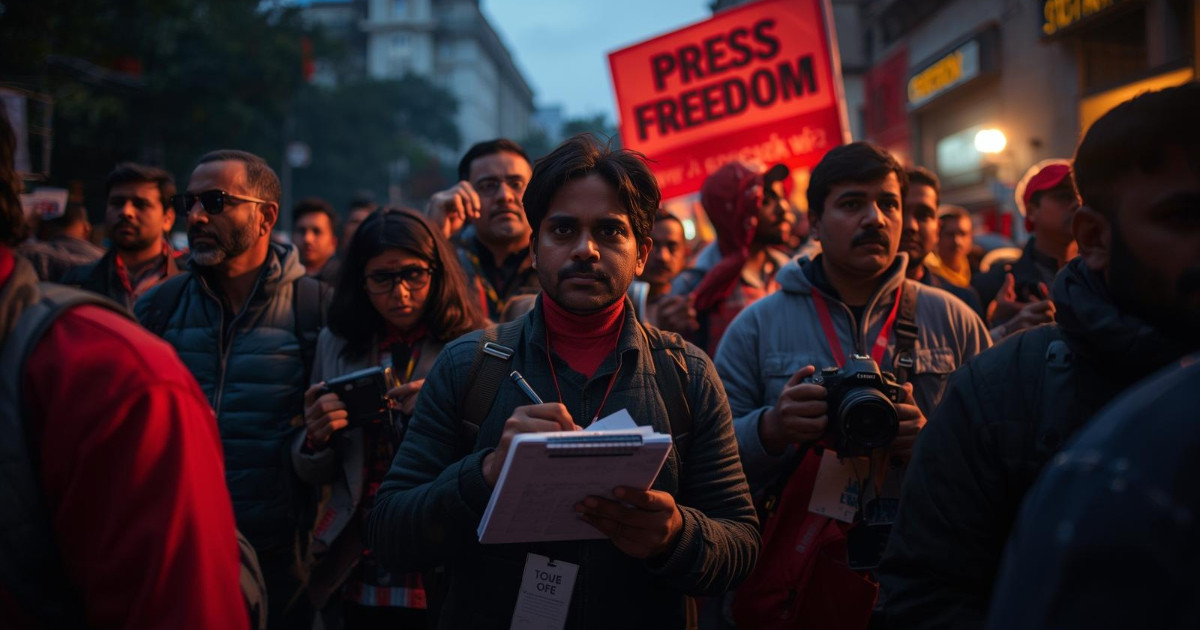
Press freedom violations across South Asia have increased, with journalists facing arrests, harassment and legal constraints under laws like Pakistan's PECA and Bangladesh's Digital Security Act. Digital censorship and surveillance also limit reporting.Summary
ISLAMABAD, Pakistan — Press freedom violations across South Asia have been increasing in recent years, with journalists facing arrests, harassment, violence, and legal restrictions in multiple countries in the region, according to recent reporting and regional press freedom monitoring data.
Pakistan, India, Bangladesh, Nepal, Bhutan, Afghanistan, and other regional states have seen spikes in media rights violations, impacting journalists’ ability to report independently and safely.
Legal frameworks restricting dissent
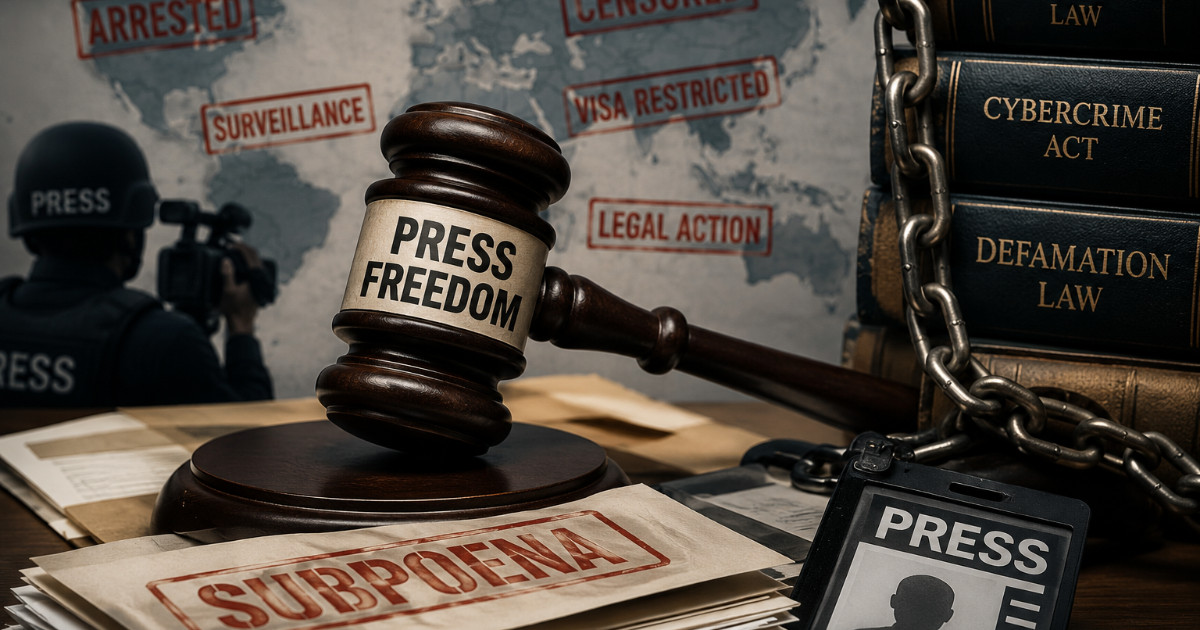
One key factor driving the rise in press freedom cases in South Asia is the expansion of restrictive legal frameworks that criminalize dissent or disproportionately empower authorities to censor journalists and digital media. Laws such as Pakistan’s Prevention of Electronic Crimes Act and Bangladesh’s Digital Security Act have been used to detain journalists or suppress critical reporting, fostering self-censorship.
Political influence and authoritarian consolidation
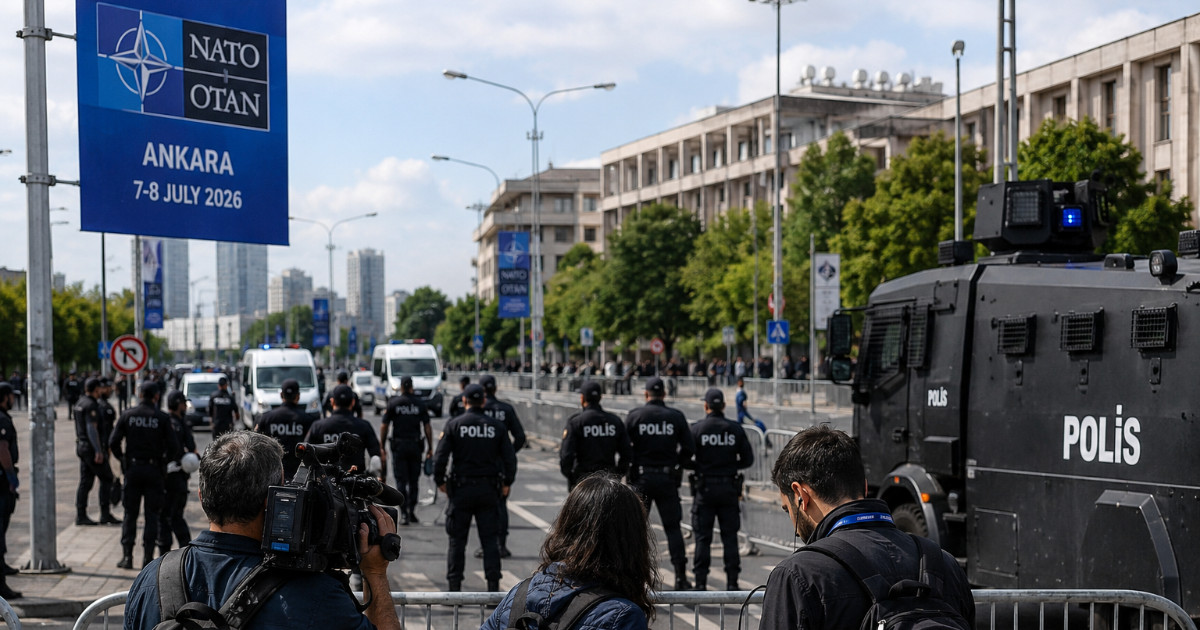
Political interference and authoritarian consolidation have also contributed, with governments in several countries tightening control over media narratives and independent outlets. In Pakistan, influence over media has been linked to intimidation and violence against reporters, while other governments have enacted new regulations that curtail critical coverage.
Digital censorship and surveillance
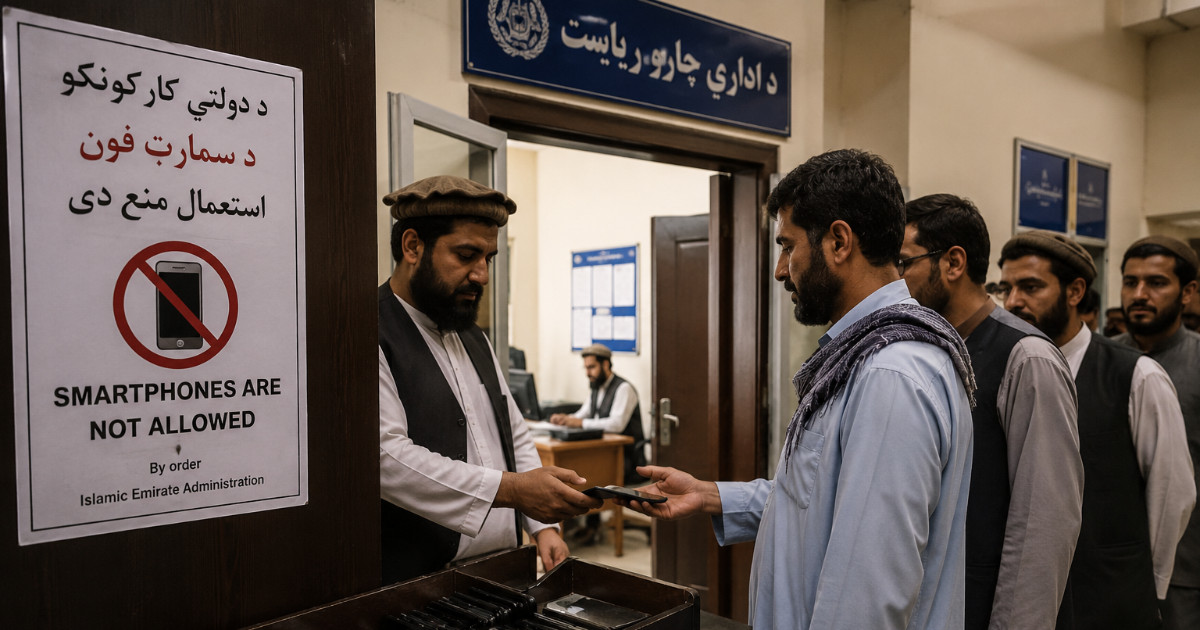
A third reason is the increasing use of digital surveillance, internet shutdowns, and censorship measures that limit journalists’ access to audiences and information platforms. Arbitrary blocking of websites, social media restrictions, and expanded surveillance in times of political unrest reduce the space for independent journalism across the region.
Violence and impunity against journalists
Physical violence and impunity for crimes against journalists are another major factor. South Asia has recorded numerous attacks, assaults, and targeted killings of media professionals, with perpetrators rarely held accountable, creating a climate of fear that depresses investigative reporting.
Economic pressures on newsrooms
Economic pressures and structural challenges within newsrooms have further weakened press freedom, as shrinking revenue, job insecurity, and ownership concentration make media organizations more vulnerable to state influence and less able to protect journalists who cover contentious topics.
The cumulative effect of these legal, political, technological, and economic pressures has contributed to South Asia’s deteriorating press freedom environment, as reflected in multiple regional press freedom reports and international rankings.
WHY THIS MATTERS: For Pakistani journalists and media professionals, understanding these drivers highlights the structural and legislative challenges that threaten independent reporting in Pakistan and neighboring countries. Recognizing the role of legal restrictions, political influence, digital censorship, violence, and economic fragility can help newsrooms develop stronger rights advocacy strategies, safety training, and collective responses to protect press freedom.
ATTRIBUTION: Reporting is based on documented regional press freedom reports and credible media freedom monitoring sources, including IFJ press freedom reports and World Press Freedom Index analyses.
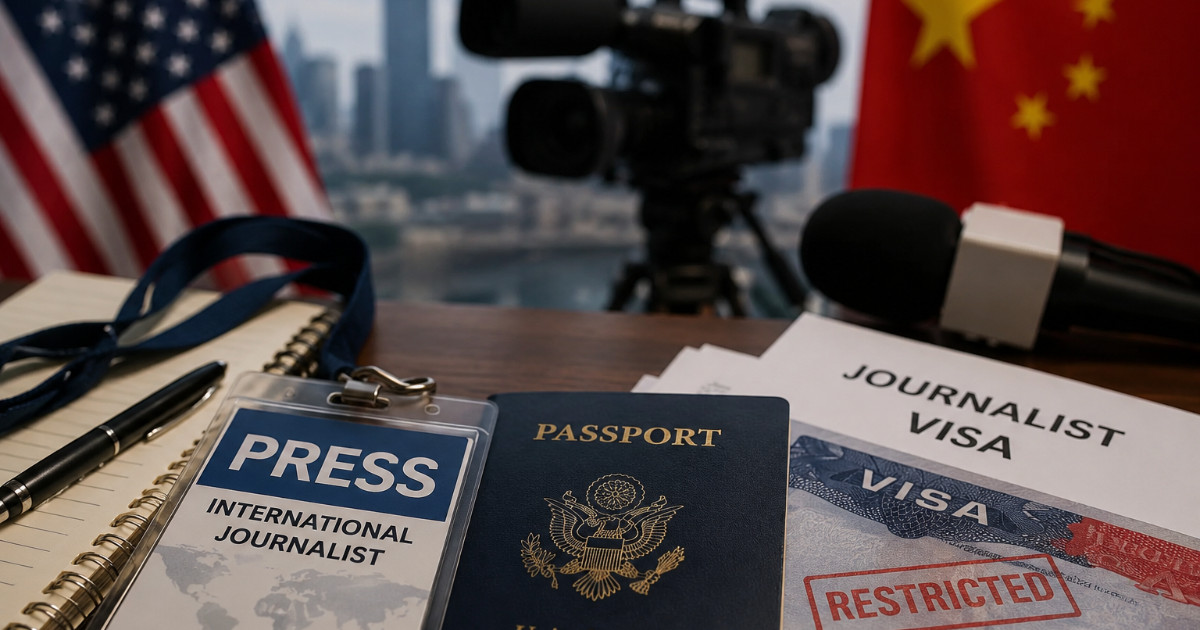
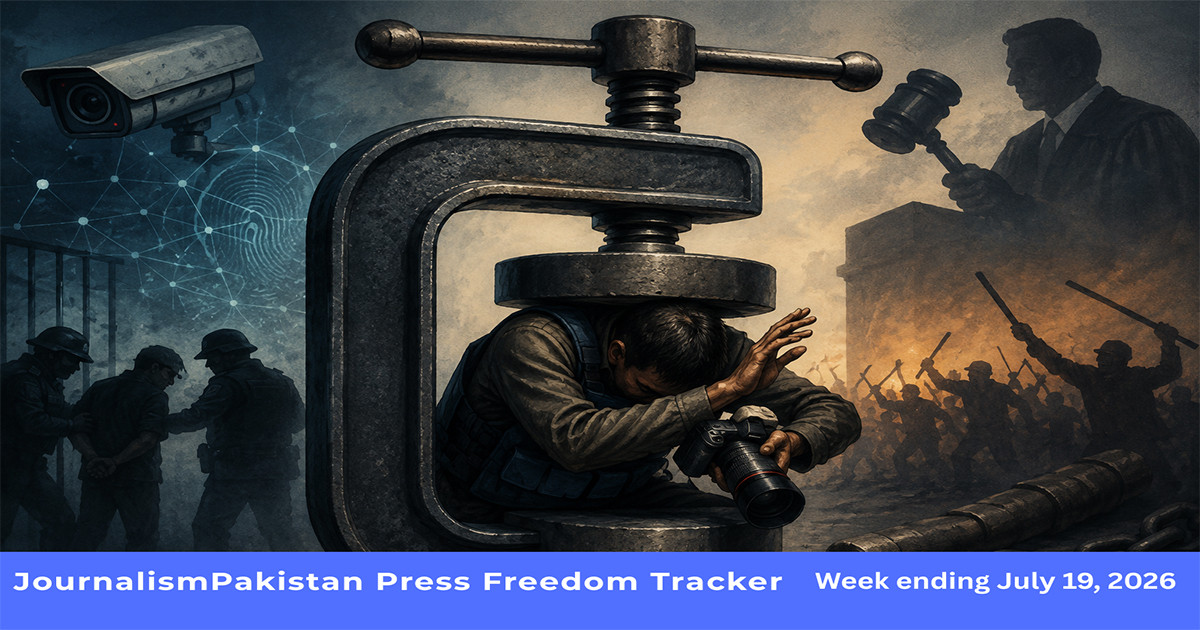
PHOTO: AI-generated; for illustrative purposes only.
Key Points
- Expansion of restrictive laws (e.g., PECA, Digital Security Act) used to detain or silence journalists.
- Political influence and authoritarian consolidation curtail independent media and critical coverage.
- Rising digital censorship, internet shutdowns and surveillance block access to platforms and sources.
- Arrests, harassment and violence against reporters increase self-censorship and reduce investigative reporting.
- Regional spikes in violations across Pakistan, India, Bangladesh, Nepal and Afghanistan undermine press safety and independence.
Relevant Topics
Ask AI: Understand this story your way
AI EnabledDig deeper, ask anything — get instant context, background, and clarity.
Disclaimer: This feature is powered by AI and is intended to help readers explore and understand news stories more easily. While we strive for accuracy, AI-generated responses may occasionally be incomplete or reflect limitations in the underlying model. This feature does not represent the editorial views of JournalismPakistan. For our full, verified reporting, please refer to the original article.