.png)
Digital rules tighten pressure on press freedom in South and Southeast Asia
JournalismPakistan.com | Published: 5 February 2026 | JP Special Report
Join our WhatsApp channel
Governments in South and Southeast Asia are broadening technology-focused laws and surveillance, affecting journalists and online publishers. Advocates say expanded takedown powers, criminal penalties and monitoring are prompting censorship and legal peril.Summary
ISLAMABAD — Governments across Southeast Asia and South Asia are expanding digital regulations and surveillance practices that increasingly affect journalists, newsrooms, and online publishing. Media rights groups and legal experts say these measures, often framed as efforts to curb misinformation or protect national security, are reshaping how journalists gather information, distribute news, and protect sources in the digital space.
The trend is not confined to one country. From social media monitoring to expanded takedown powers, authorities are relying on technology-focused laws that give regulators and security agencies broader control over online content, raising concerns about censorship, self-censorship, and legal risk for reporters.
Regulatory expansion and platform controls
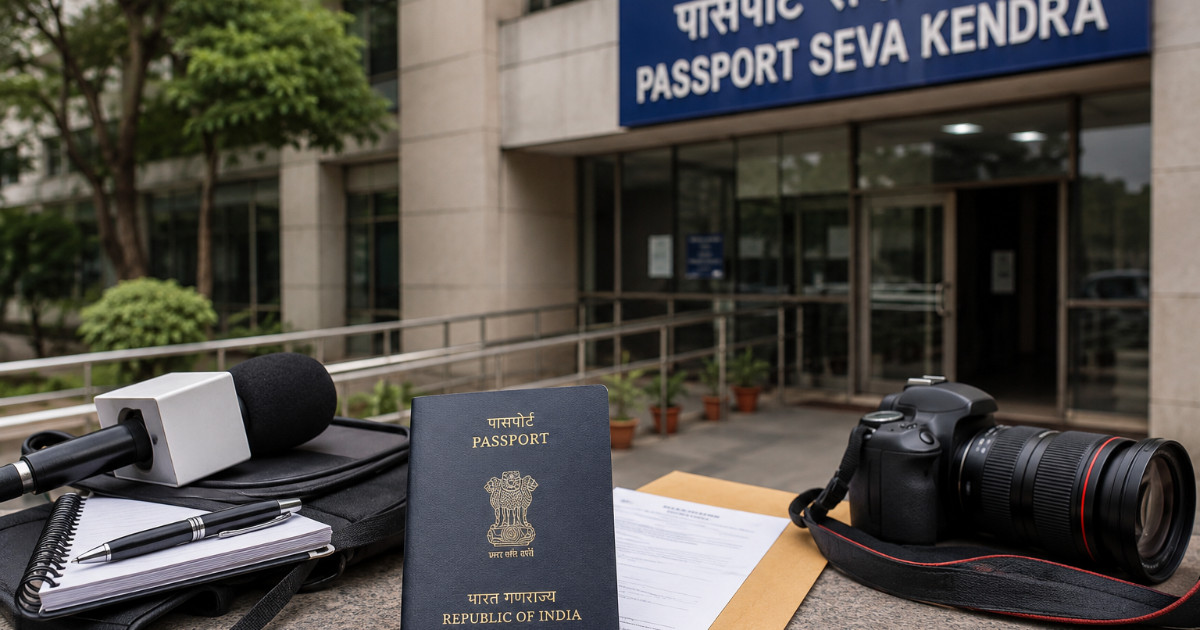
In India, amendments to the Information Technology Rules have expanded government authority to order content removals and require digital platforms to comply with takedown requests under existing law. Journalists and digital news outlets have warned that these provisions can be used to restrict critical reporting, particularly when removals occur without transparent judicial review.
Bangladesh has followed a similar path, replacing the Digital Security Act with the Cyber Security Act while retaining criminal penalties for certain online speech offenses. Media advocates note that journalists continue to face legal exposure for digital reporting, even as authorities describe the updated law as a reform.
Surveillance and monitoring of online speech
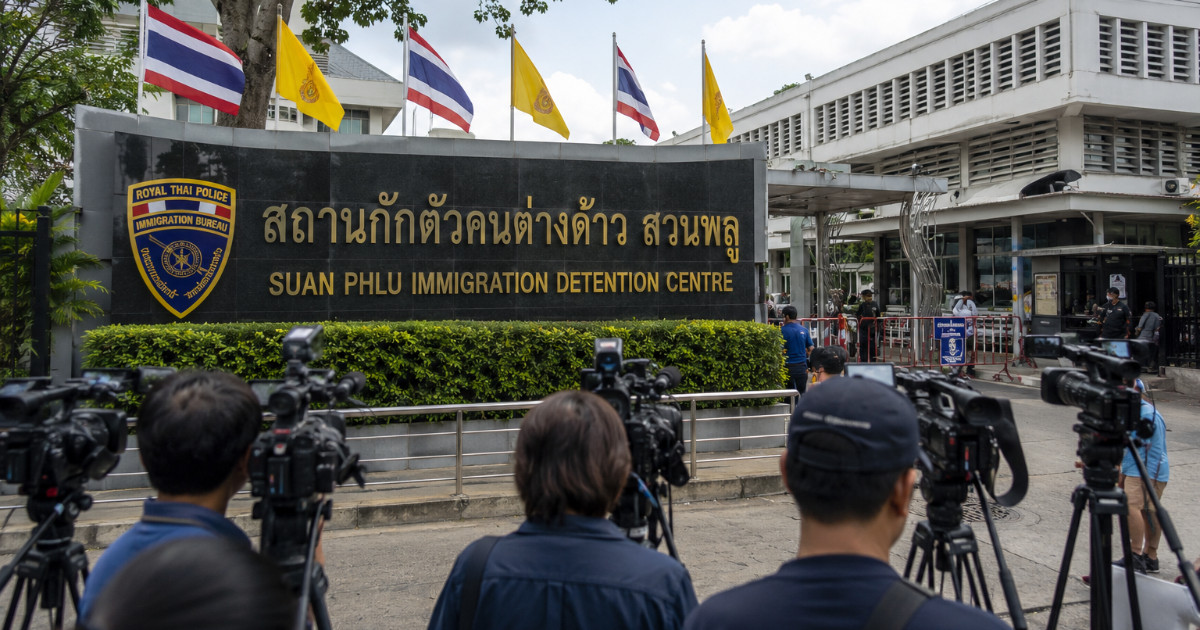
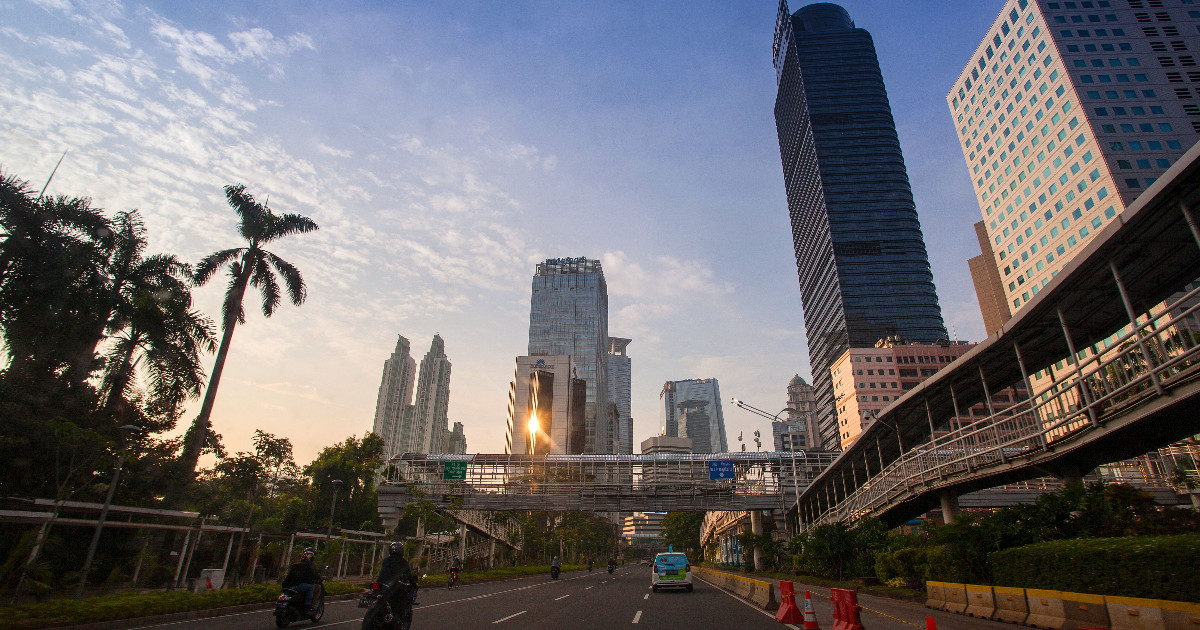
Across Southeast Asia, social media monitoring has become a routine enforcement tool. Indonesia’s revised Electronic Information and Transactions Law continues to be used in cases involving journalists and commentators, while Vietnam and Thailand maintain cybersecurity and computer crime regulations that allow authorities to monitor online activity and demand data from platforms.
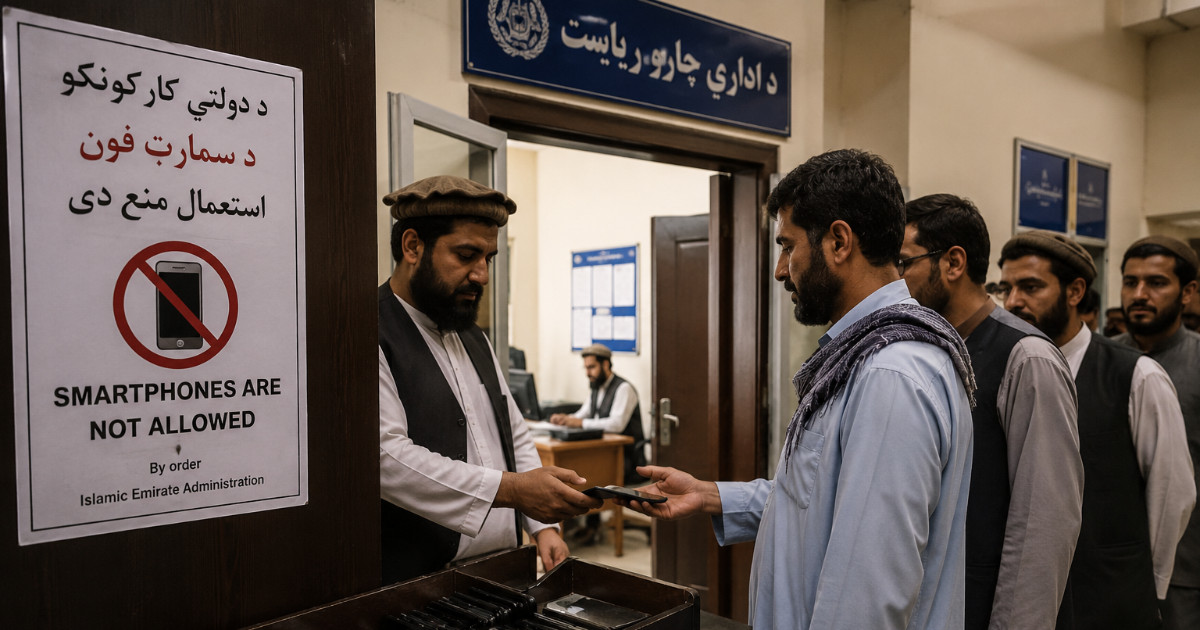
Nepal and Pakistan illustrate how these approaches are spreading beyond Southeast Asia. Draft or amended social media regulations in Nepal and amendments to Pakistan’s Prevention of Electronic Crimes Act have sparked debate over expanded regulatory powers, platform compliance obligations, and potential impacts on independent journalism.
Regional implications for journalism
Taken together, these developments signal a regional shift toward tighter state oversight of digital media ecosystems. Analysts say the cumulative effect is an environment where journalists must navigate not only traditional legal risks but also opaque digital enforcement mechanisms that can disrupt reporting, distribution, and audience access without prior notice.
WHY THIS MATTERS: For Pakistani journalists and media organizations, these regional trends highlight how digital regulation is becoming a central press freedom issue, not just a technology policy debate. Understanding how neighboring countries apply online controls can inform newsroom legal strategies, platform risk assessments, and cross-border reporting collaborations. The pattern underscores the need for digital safety planning and legal literacy within Pakistan’s media sector.
ATTRIBUTION: Reporting based on publicly available legislation and documented analysis by international media freedom and digital rights organizations.
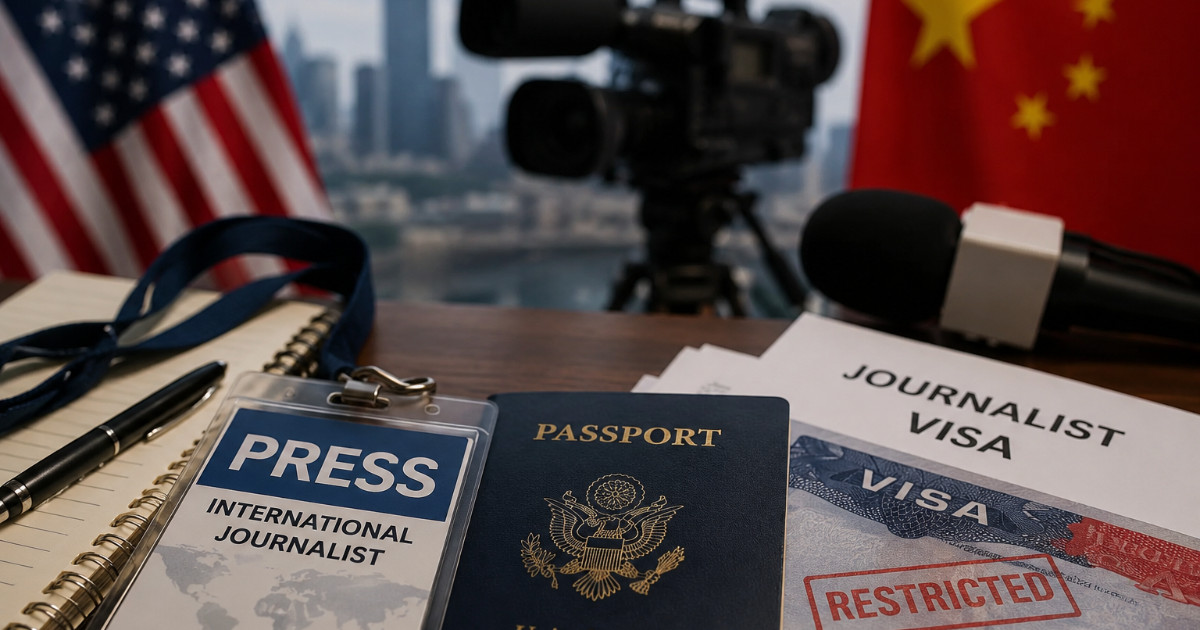
PHOTO: AI-generated; for illustrative purposes only.
Key Points
- Governments across South and Southeast Asia are expanding digital regulations and surveillance targeting online speech.
- New laws grant takedown powers and retain criminal penalties, increasing legal exposure for reporters and outlets.
- India and Bangladesh cited for recent reforms: IT rules amendments and the Cyber Security Act replacing the Digital Security Act.
- Social media monitoring and platform compliance demands raise risks of censorship and self-censorship.
- Media advocates warn these measures are reshaping news gathering, source protection, and distribution in the digital sphere.
Relevant Topics
Ask AI: Understand this story your way
AI EnabledDig deeper, ask anything — get instant context, background, and clarity.
Disclaimer: This feature is powered by AI and is intended to help readers explore and understand news stories more easily. While we strive for accuracy, AI-generated responses may occasionally be incomplete or reflect limitations in the underlying model. This feature does not represent the editorial views of JournalismPakistan. For our full, verified reporting, please refer to the original article.