
CPJ criticizes Ravi Nair defamation conviction
JournalismPakistan.com | Published: 13 February 2026 | JP Asia Desk
Join our WhatsApp channel
CPJ and allied groups criticized the conviction and sentence of Indian journalist Ravi Nair in a criminal defamation case tied to his reporting on corporate interests, warning it could chill investigative journalism and calling for reforms to defamation laws.Summary
NEW DELHI, India — The Committee to Protect Journalists and allied media rights groups have publicly criticized the conviction and punishment of India-based journalist Ravi Nair in a high-profile criminal defamation case tied to his reporting on corporate interests.
In statements issued this week, the press freedom organizations said the ruling raises serious concerns about the use of criminal defamation laws against journalists covering powerful business entities. They argued that such prosecutions risk creating a chilling effect on investigative reporting, particularly when stories examine alleged corporate misconduct or conflicts of interest.
Defamation ruling sparks regional concern
According to publicly available court documents and statements from advocacy groups, Nair was found guilty in a defamation complaint filed by representatives of a corporate entity following his investigative reporting. The court imposed a sentence that includes financial penalties and legal restrictions, prompting immediate reaction from domestic and international media organizations.
The Committee to Protect Journalists said that while individuals and companies have the right to protect their reputations through lawful means, criminal penalties against journalists for reporting on matters of public interest are inconsistent with international standards on freedom of expression. The group called for reforms to defamation laws to ensure they are not misused to silence scrutiny of corporate power.
Ongoing debate over criminal defamation
India retains criminal defamation provisions under its penal code, allowing individuals or corporations to initiate proceedings that can lead to fines or imprisonment. Media rights advocates have long argued that the existence of criminal sanctions, as opposed to civil remedies, can be used strategically to intimidate reporters and newsrooms.
Legal experts note that defamation law in South Asia has frequently intersected with investigative journalism, particularly in cases involving allegations of corruption, environmental harm, or corporate governance failures. While courts have at times upheld free speech protections, journalists often face prolonged legal battles that strain newsroom resources and create professional risk.
Regional implications for investigative reporting
Press freedom groups warn that high-profile convictions may deter reporters from pursuing stories involving influential economic actors. They argue that even when journalists ultimately prevail on appeal, the process itself can function as a punitive measure due to legal costs and reputational pressure.
The denunciation by international and regional organizations underscores broader tensions between reputation protection and public interest journalism. Observers say the case is likely to be cited in ongoing debates over reforming defamation statutes and strengthening safeguards for investigative reporting across South Asia.
WHY THIS MATTERS: For Pakistani journalists and media organizations, the case highlights the legal exposure that can arise from reporting on corporate and business interests. As Pakistan also retains criminal defamation provisions, newsrooms may need stronger legal vetting processes, documentation standards, and risk assessments when pursuing investigative stories. The development underscores the importance of legal literacy and newsroom preparedness in handling high-stakes reporting.
ATTRIBUTION: Based on public statements by the Committee to Protect Journalists, allied media advocacy organizations, and publicly available court documents related to the defamation proceedings.
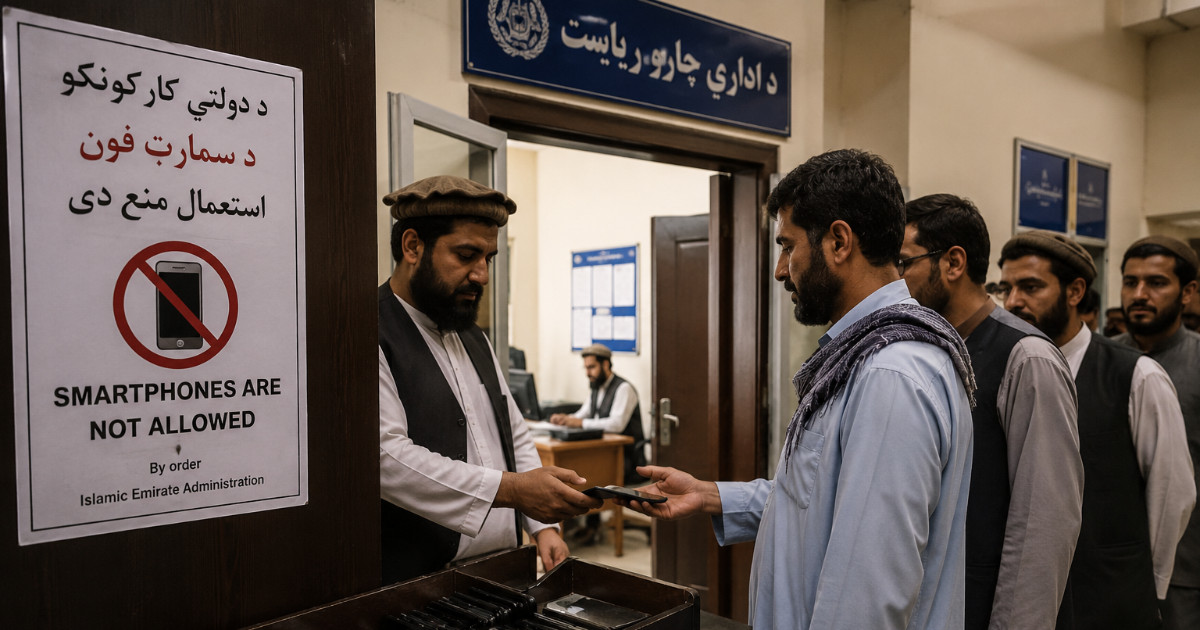
PHOTO: AI-generated; for illustrative purposes only.
Key Points
- The Committee to Protect Journalists and allied media rights groups publicly criticized Ravi Nair's conviction.
- The ruling stems from a defamation complaint filed by representatives of a corporate entity after his reporting.
- The sentence includes financial penalties and legal restrictions imposed by the court.
- Advocates warn criminal defamation prosecutions can chill investigative reporting into corporate misconduct.
- Press groups urged reforms to defamation laws to protect freedom of expression and media scrutiny of corporate power.
Relevant Topics
Ask AI: Understand this story your way
AI EnabledDig deeper, ask anything — get instant context, background, and clarity.
Disclaimer: This feature is powered by AI and is intended to help readers explore and understand news stories more easily. While we strive for accuracy, AI-generated responses may occasionally be incomplete or reflect limitations in the underlying model. This feature does not represent the editorial views of JournalismPakistan. For our full, verified reporting, please refer to the original article.