
Court restrains NCCIA from arresting journalist Nadir Baloch
JournalismPakistan.com | Published: 23 February 2026 | JP Staff Report
Join our WhatsApp channel
The Islamabad High Court restrained the NCCIA from arresting journalist Nadir Baloch and ordered no harassment while his petition proceeds, noting the Islamabad court lacks jurisdiction over notices issued from Lahore under the cybercrime framework.Summary
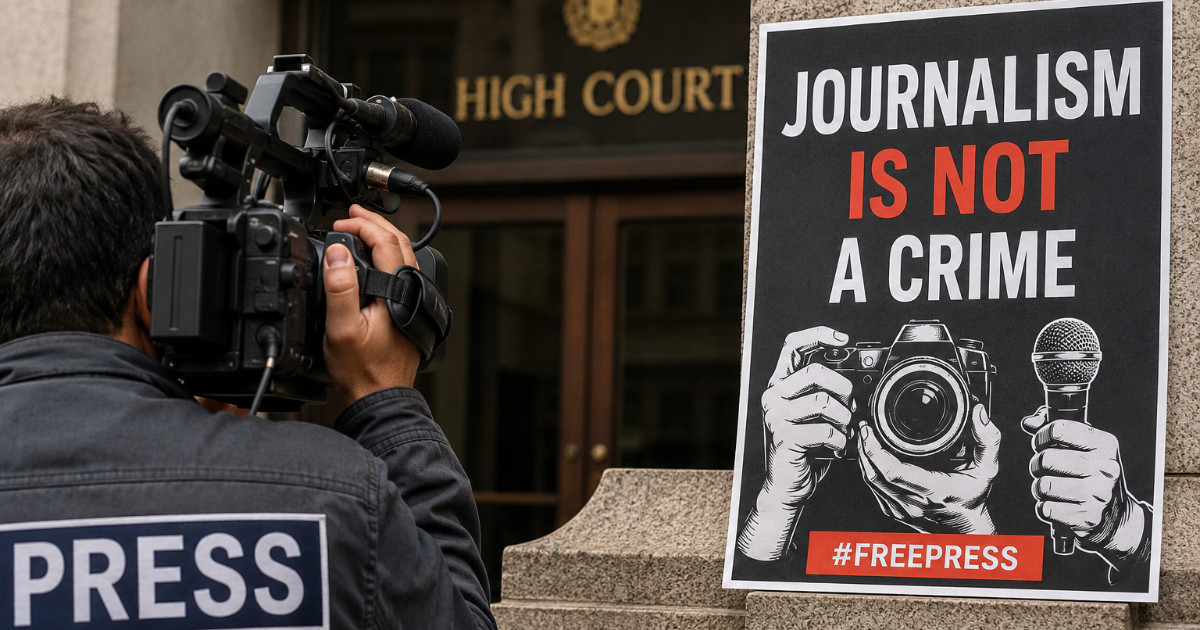
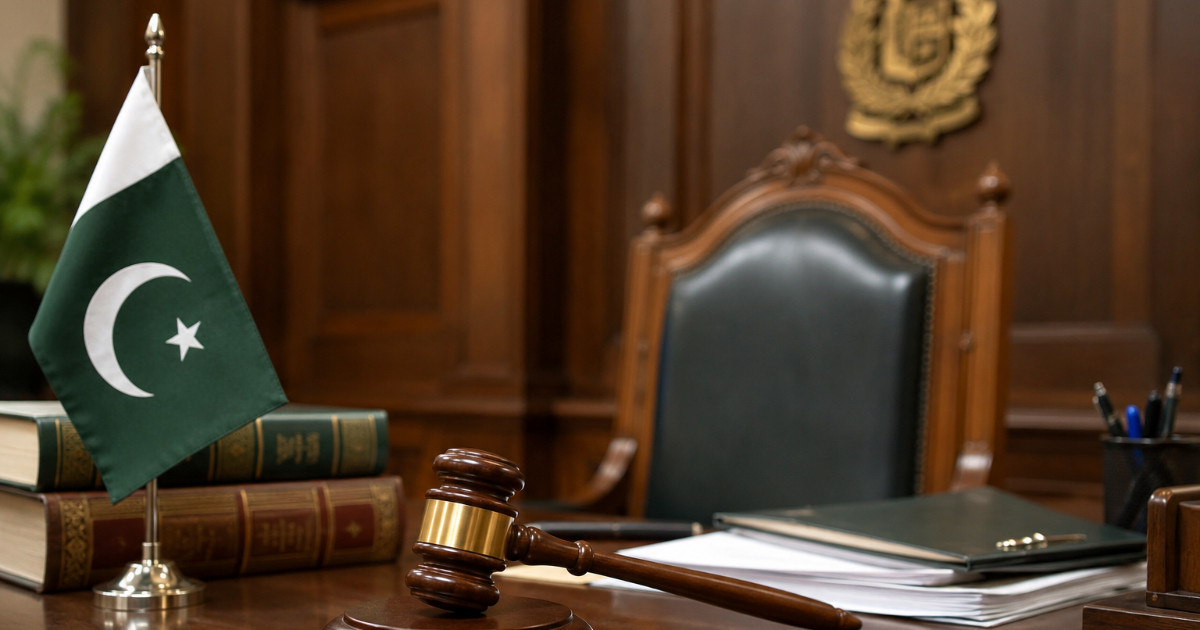
ISLAMABAD — The Islamabad High Court has barred Pakistan’s National Cyber Crime Investigation Agency (NCCIA) from arresting journalist Nadir Baloch amid legal challenges over repeated cybercrime notices, directing authorities not to harass him while his petition is resolved.
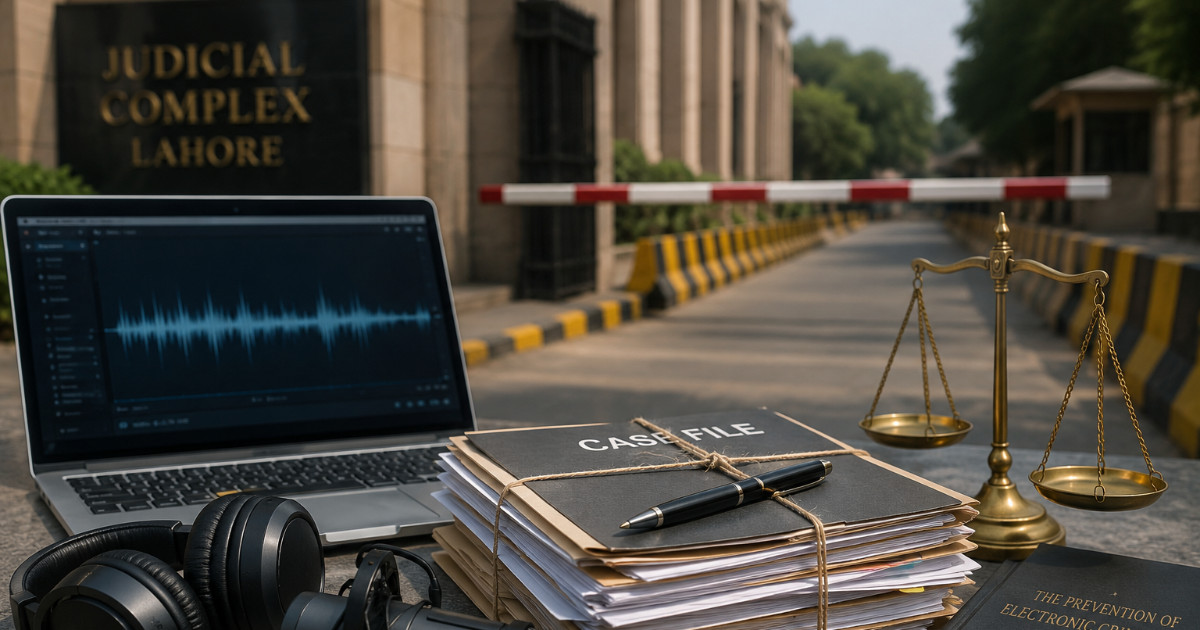
Baloch, who has repeatedly been summoned by the NCCIA under Pakistan’s cybercrime framework without clear allegations, was given 15 days to approach the Lahore High Court, which holds jurisdiction over the notices.
Court blocks arrest but sends case to Lahore High Court
Chief Justice Sarfaraz Dogar presided over the hearing, observing that the Islamabad High Court lacked jurisdiction over the NCCIA notices issued from Lahore, and that Baloch should pursue his grievance before the Lahore High Court. The court instructed the NCCIA to refrain from harassment or arrest actions against the journalist while the legal challenge proceeds. Baloch’s legal team had sought suspension of the summonses, arguing they lacked specific allegations or copies of formal complaints.
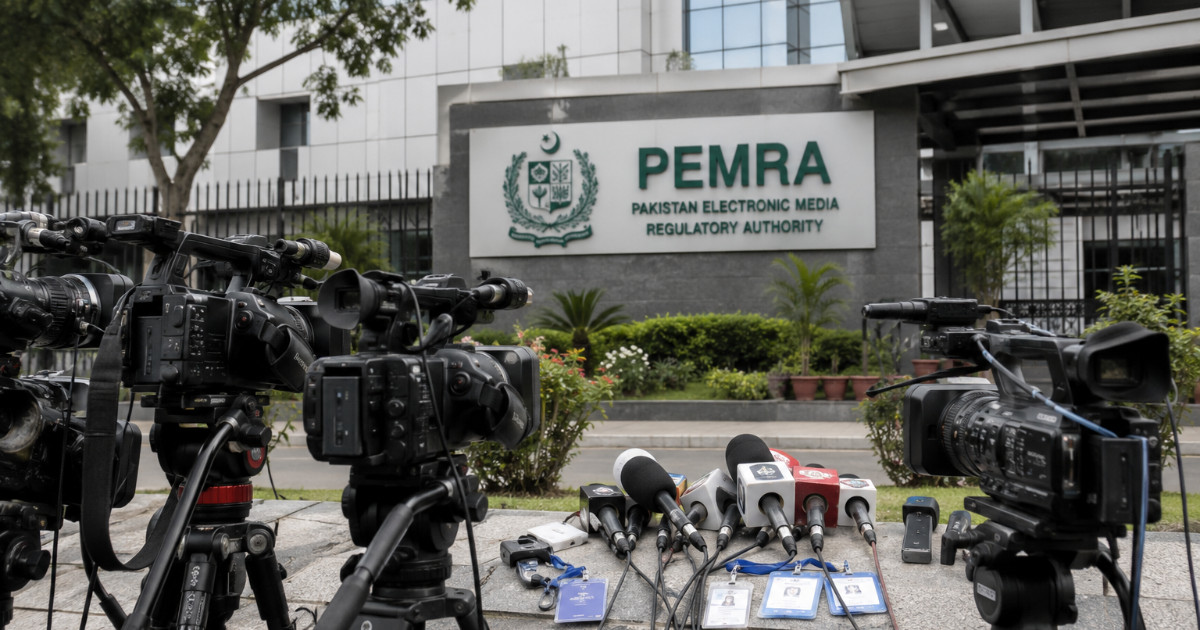
Baloch’s petition has drawn attention to broader concerns among media rights advocates about the use of cybercrime statutes to pressure journalists and critics. The National Cyber Crime Investigation Agency, established in 2024 to enforce the Prevention of Electronic Crimes Act, has faced scrutiny for its role in issuing notices and taking action over alleged online offenses, including against media professionals.
Press freedom groups raise alarm over harassment tactics
Journalism advocacy groups such as the Committee to Protect Journalists have condemned repeated summonses and what they call intimidation tactics directed at Baloch, urging authorities to respect journalists’ rights and end perceived harassment. The CPJ has highlighted threats and calls for better protection for media workers amid the expanding use of cybercrime powers in Pakistan.
The legal dispute arrives against a backdrop of mounting concerns about press freedoms in Pakistan. Separate cases involving other journalists, including prolonged detention and bail challenges under cybercrime and related laws, have heightened debate about the balance between digital law enforcement and media independence.
WHY THIS MATTERS: This development highlights the legal tightrope Pakistani journalists face under cybercrime legislation, underscoring the need for clear procedural safeguards when state agencies pursue cases involving media practitioners. For newsrooms and media professionals, the case signals evolving legal strategies by authorities that could influence reporting practices and the defense of press freedom.
ATTRIBUTION: Reporting compiled from Express Urdu (Islamabad High Court directive) and JournalismPakistan coverage of court proceedings and advocacy responses.
PHOTO: Nadir Baloch/Facebook
Key Points
- Islamabad High Court barred the NCCIA from arresting journalist Nadir Baloch.
- The court found it lacked jurisdiction over notices issued from Lahore and advised Baloch to approach the Lahore High Court within 15 days.
- Judges instructed the NCCIA not to harass or arrest Baloch while the petition is pending.
- Baloch's team argued the summonses lacked specific allegations and copies of formal complaints.
- Press freedom groups have raised concerns about the use of cybercrime statutes to pressure journalists and critics.
Key Questions & Answers
Why did the Islamabad High Court bar the NCCIA from arresting Nadir Baloch?
The court restrained the agency while Baloch's petition is heard and sought to prevent harassment during the legal process.
What did the court say about jurisdiction?
The court observed it lacked jurisdiction over notices issued from Lahore and directed Baloch to approach the Lahore High Court within 15 days.
What are the grounds of Baloch's petition?
His legal team argued the NCCIA summonses lacked clear allegations and copies of formal complaints, challenging their validity.
Why are media groups concerned about this case?
Press freedom advocates warn that cybercrime laws may be used to intimidate or harass journalists, raising broader concerns about legal overreach.
Relevant Topics
Ask AI: Understand this story your way
AI EnabledDig deeper, ask anything — get instant context, background, and clarity.
Disclaimer: This feature is powered by AI and is intended to help readers explore and understand news stories more easily. While we strive for accuracy, AI-generated responses may occasionally be incomplete or reflect limitations in the underlying model. This feature does not represent the editorial views of JournalismPakistan. For our full, verified reporting, please refer to the original article.