.png)
Journalist Nadir Baloch files IHC petition to halt NCCIA summons
JournalismPakistan.com | Published: 19 February 2026 | JP Staff Report
Join our WhatsApp channel
Nadir Baloch filed a writ in the Islamabad High Court seeking suspension of repeated NCCIA summonses, saying the notices give no specific allegations or complaint copies. He asks the court to halt further action and bar what he calls illegal harassment.Summary
ISLAMABAD — Journalist Nadir Baloch has filed a writ petition in the Islamabad High Court seeking suspension of repeated summonses issued by the National Cyber Crime Investigation Agency (NCCIA), asserting the notices amount to harassment without clarity on allegations against him.
Baloch, represented by Advocate Mian Ali Ashfaq and Barrister Qadir Janjua, says in the petition that he has been summoned at least three times but has not been informed of any specific charges or provided copies of complaints. According to his tweet about the filing, the summons has demanded his appearance in Lahore without explanation.
Court challenge targets lack of transparency in notices
Baloch’s petition argues that the NCCIA’s actions violate basic legal fairness by withholding details of the allegations and failing to serve the complainant’s application. He requested the high court to immediately halt ongoing notices and bar the agency from further pursuing what he described as “illegal harassment.” Baloch framed the case as not only personal but also implicating broader press freedom and citizens’ rights in Pakistan.
Journalism advocacy groups have previously raised an alarm about the NCCIA’s use of cybercrime provisions against journalists. Committee to Protect Journalists (CPJ) condemned similar summonses to Baloch in late 2025 and early 2026, saying the agency should cease intimidation tied to reporting and protect journalists’ safety and free expression. The organization noted that the summons and online harassment appear linked to his human rights reporting, including investigations into alleged misuse of blasphemy laws.
Legal context of cybercrime notices
Under Pakistan’s Prevention of Electronic Crimes Act (PECA) and cybercrime rules, authorities can issue notices for online content deemed objectionable, but legal experts and press freedom advocates say vague and unexplained summons raise due process concerns. In other high-profile cases, journalists like Sohrab Barkat and others have faced legal action under similar frameworks, prompting debate over the scope and application of cybercrime laws and free speech protections.
Baloch told CPJ he had formally asked the NCCIA to specify defamatory content before appearing for any interrogation, but was ignored. Previous reporting noted that the original summons named a complainant but did not identify which of his reports were considered objectionable.
WHY THIS MATTERS: This case highlights ongoing concerns over how cybercrime laws are applied to reporters and may signal evolving legal interpretations that affect digital journalism, investigative reporting, and editorial decision-making. It underscores the need for media professionals to understand legal risks tied to online content and for newsrooms to develop strategies for legal support and risk mitigation.
ATTRIBUTION: This story is based on verified public reporting from CPJ and related legal context on journalist summons under NCCIA and cybercrime law as documented by JournalismPakistan.com.
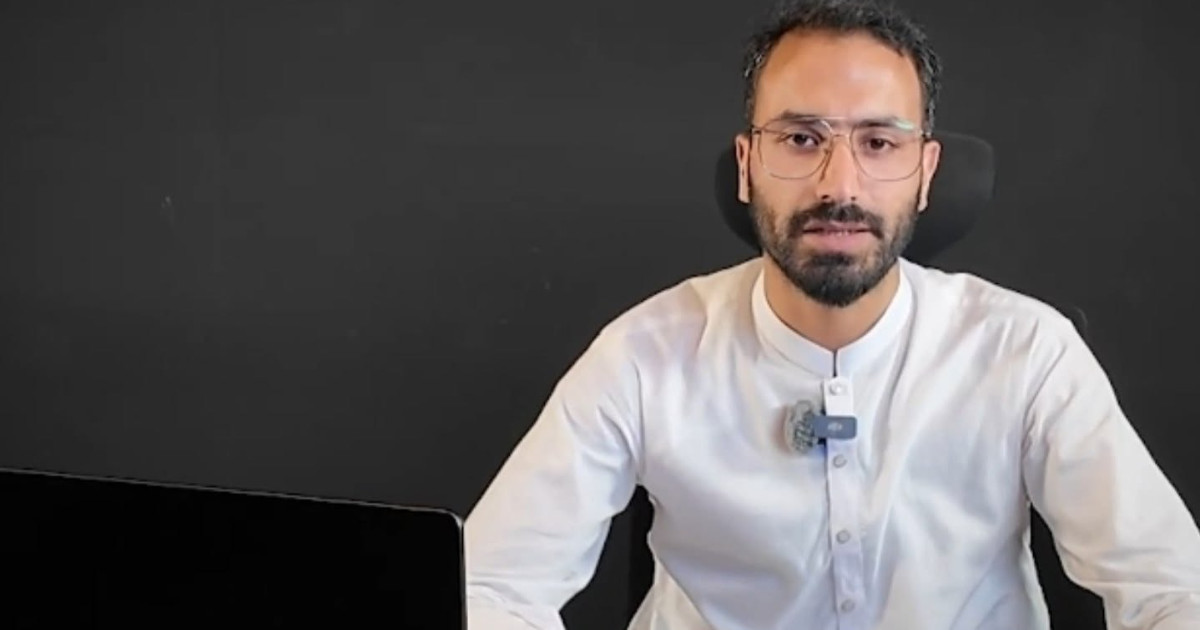
PHOTO: Nadir Baloch (X @BalochNadir5)
Key Points
- Nadir Baloch filed a writ petition in the Islamabad High Court to suspend repeated NCCIA summonses.
- He says he has been summoned multiple times without being told specific allegations or given copies of complaints.
- The petition argues the notices lack transparency and violate basic legal fairness, seeking an immediate halt.
- Baloch frames the case as implicating press freedom and citizens' rights; his legal team includes named counsel.
- Journalism advocacy groups, including CPJ, have previously criticised NCCIA summonses to journalists as intimidation.
Key Questions & Answers
What has Nadir Baloch filed?
He has filed a writ petition in the Islamabad High Court seeking suspension of repeated NCCIA summonses.
Why is he challenging the notices?
He says the summonses do not specify allegations or provide complaint copies, which he describes as unlawful harassment.
Which agency issued the summonses?
The summonses were issued by the National Cyber Crime Investigation Agency (NCCIA).
Have any groups responded?
Yes; groups including the Committee to Protect Journalists have criticized similar NCCIA actions and urged protection of press freedom.
Relevant Topics
Ask AI: Understand this story your way
AI EnabledDig deeper, ask anything — get instant context, background, and clarity.
Disclaimer: This feature is powered by AI and is intended to help readers explore and understand news stories more easily. While we strive for accuracy, AI-generated responses may occasionally be incomplete or reflect limitations in the underlying model. This feature does not represent the editorial views of JournalismPakistan. For our full, verified reporting, please refer to the original article.