.png)
China detains two independent journalists in Chengdu
JournalismPakistan.com | Published: 4 February 2026 | JP Asia Desk
Join our WhatsApp channel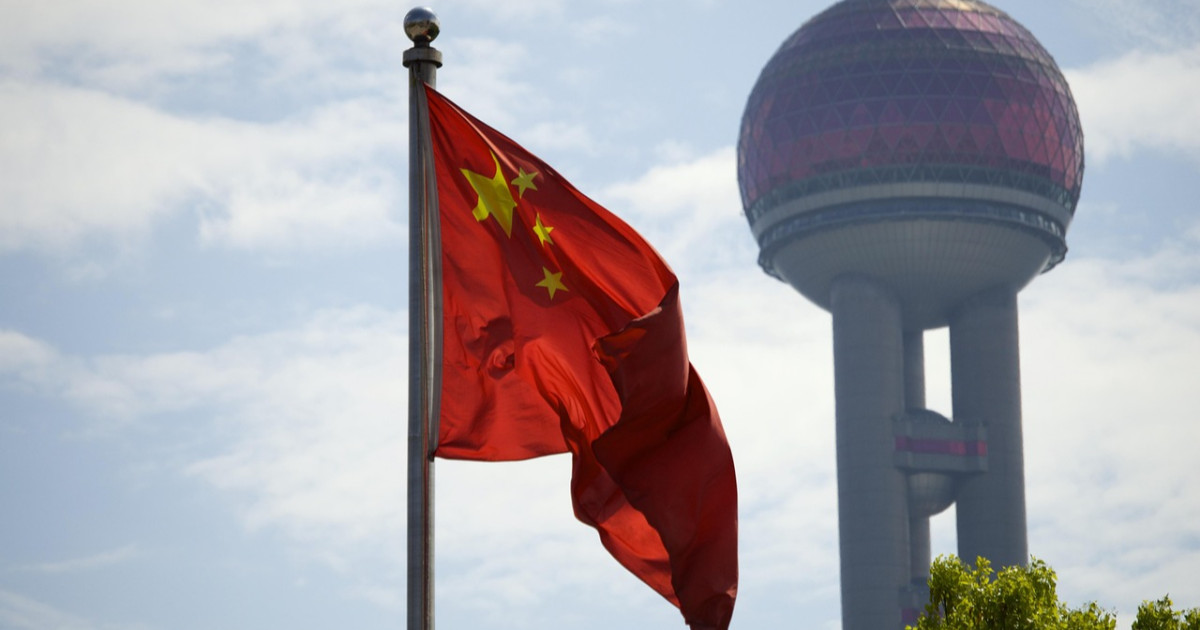
Two independent journalists, Liu Hu and Wu Yingjiao, were detained in Chengdu on Feb. 1 after a WeChat investigation alleging local official corruption was published and then removed; rights groups say they face charges often used to silence critics.Summary
CHENGDU, China — Chinese authorities detained two independent journalists, Liu Hu and Wu Yingjiao, in the southwestern city of Chengdu on February 1 following the publication of an investigative report alleging corruption by local officials, according to Reporters Without Borders and international media reports.
Rights groups said the journalists were taken into custody shortly after their investigation circulated online. The original report, published on the social media platform WeChat, was later removed by state censors, limiting public access to the allegations and related reporting.
Charges and censorship
Authorities charged Liu Hu and Wu Yingjiao with making false accusations and illegal business operations, accusations frequently used in China against journalists and bloggers whose work challenges official narratives, according to rights organizations monitoring the case.
No public evidence supporting the charges has been released, and Chinese authorities have not provided detailed explanations for the detentions. International press freedom groups say the removal of the WeChat post follows a common pattern in which investigative reporting on sensitive topics is swiftly censored once it gains attention.
Press freedom context in China
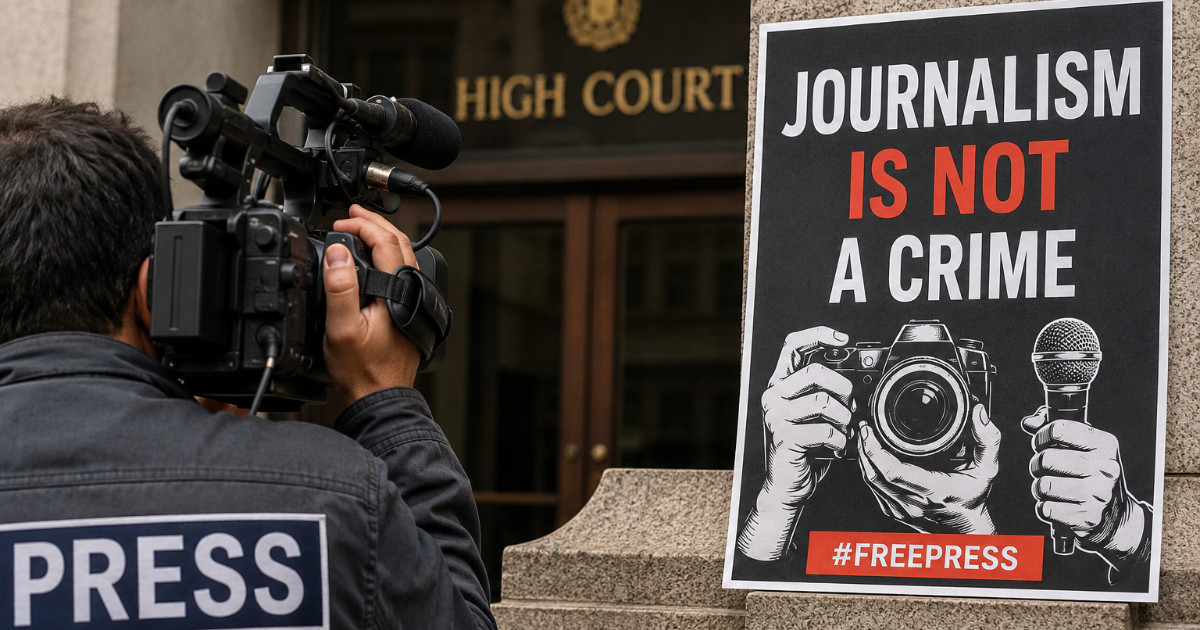
Reporters Without Borders and other watchdogs describe the arrests as part of an increasingly hostile environment for independent journalism inside China, where reporters working outside state-sanctioned media face significant legal and personal risks.
Chinese law grants authorities broad discretion to pursue criminal cases related to national security, public order, or economic activity, provisions that rights groups say are routinely applied to silence critical reporting and deter investigative journalism.
WHY THIS MATTERS: The case highlights how legal and regulatory tools can be used to suppress investigative reporting, a risk Pakistani journalists also face under broadly worded laws. For media organizations in Pakistan, it underscores the importance of legal preparedness, documentation, and international visibility when reporting on corruption. The episode also reflects a global trend of shrinking space for independent journalism, with implications for cross-border media solidarity and advocacy.
ATTRIBUTION: Reporting is based on statements by Reporters Without Borders and coverage by international media outlets.
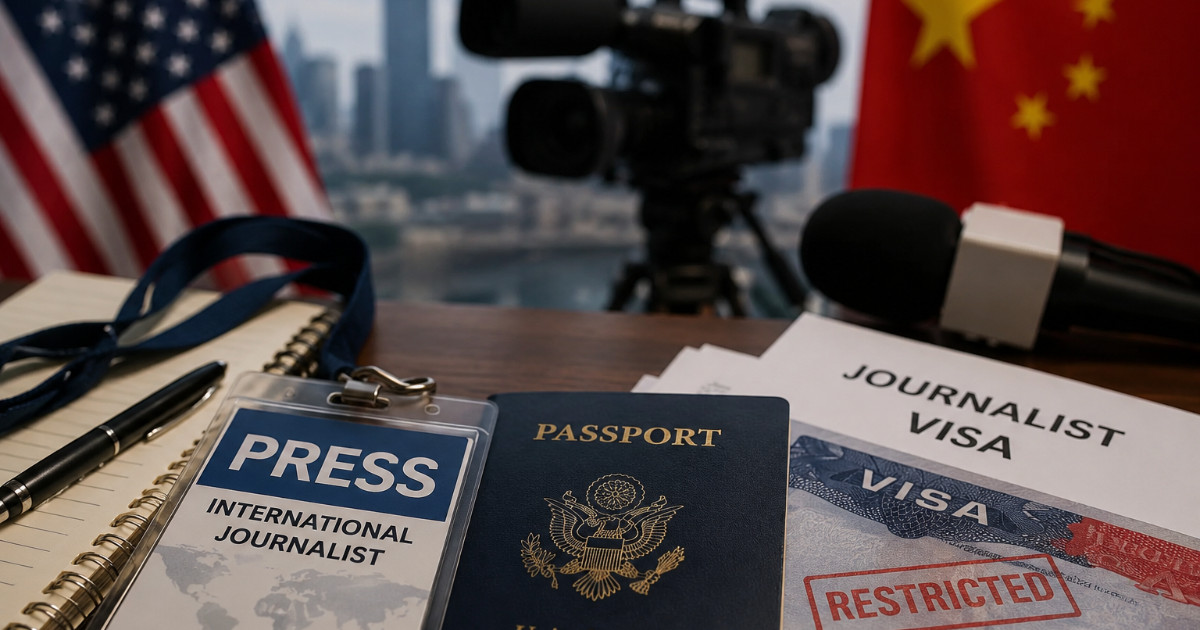
PHOTO: By Gaston Laborde from Pixabay
Key Points
- Two independent journalists detained in Chengdu after a WeChat investigation.
- The report alleged corruption by local officials.
- The original WeChat post was removed by state censors.
- Authorities charged them with false accusations and illegal business operations.
- Rights groups say the arrests reflect growing risks for independent journalism in China.
Relevant Topics
Ask AI: Understand this story your way
AI EnabledDig deeper, ask anything — get instant context, background, and clarity.
Disclaimer: This feature is powered by AI and is intended to help readers explore and understand news stories more easily. While we strive for accuracy, AI-generated responses may occasionally be incomplete or reflect limitations in the underlying model. This feature does not represent the editorial views of JournalismPakistan. For our full, verified reporting, please refer to the original article.