
British-Indian journalist jailed in defamation case
JournalismPakistan.com | Published: 11 February 2026 | JP Asia Desk
Join our WhatsApp channel
An Indian court sentenced British Indian journalist Ravi Nair to one year in prison after Adani Enterprises filed a defamation complaint; the conviction has prompted concerns from press freedom groups about chilling effects on investigative journalism.Summary
NEW DELHI — A court in India has sentenced British-Indian journalist Ravi Nair to one year in prison in a criminal defamation case filed by Adani Enterprises, according to reports from multiple Indian media outlets. The case stems from a complaint brought by the conglomerate alleging that content linked to Nair was defamatory.
The conviction has drawn attention from press freedom advocates who have long raised concerns about the use of criminal defamation provisions in India’s legal framework. Under Indian law, criminal defamation remains punishable by imprisonment, a provision that has been upheld by the Supreme Court of India.
Criminal defamation and its legal basis
Criminal defamation in India is governed by Sections 499 and 500 of the Indian Penal Code, which provide for up to two years’ imprisonment, a fine, or both. In 2016, the Supreme Court ruled that criminal defamation is constitutionally valid, stating that the right to reputation is protected under Article 21 of the Constitution.
Press freedom organizations have argued that criminal penalties for defamation can have a chilling effect on investigative journalism, particularly when complaints are filed by large corporations or politically influential actors. They maintain that civil remedies are more proportionate and consistent with international free expression standards.
Growing debate over legal safeguards
The case involving Adani Enterprises, part of the Adani Group conglomerate, has reignited debate over the balance between protecting reputation and safeguarding press freedom in democratic systems. Media law experts note that while defamation laws are common worldwide, the criminalization of defamation is increasingly viewed as disproportionate in many jurisdictions.
International advocacy groups have documented concerns that criminal defamation cases can be used strategically to deter scrutiny, especially in matters involving corporate governance, public interest reporting, or financial investigations. Critics argue that even when convictions are appealed, the process itself can impose significant legal and financial burdens on journalists.
Supporters of retaining criminal defamation laws contend that reputational harm can have serious personal and commercial consequences and that legal deterrence is necessary. However, global trends show a gradual shift toward decriminalization or limiting custodial penalties in favor of civil damages.
WHY THIS MATTERS: For Pakistani journalists, the case highlights how criminal defamation provisions can directly affect investigative reporting and newsroom risk assessments. Pakistan also retains criminal defamation laws, making the Indian ruling relevant to debates on legal reform, editorial safeguards, and the need for stronger institutional legal support for reporters.
ATTRIBUTION: Based on reporting by Indian media outlets and publicly available legal records.
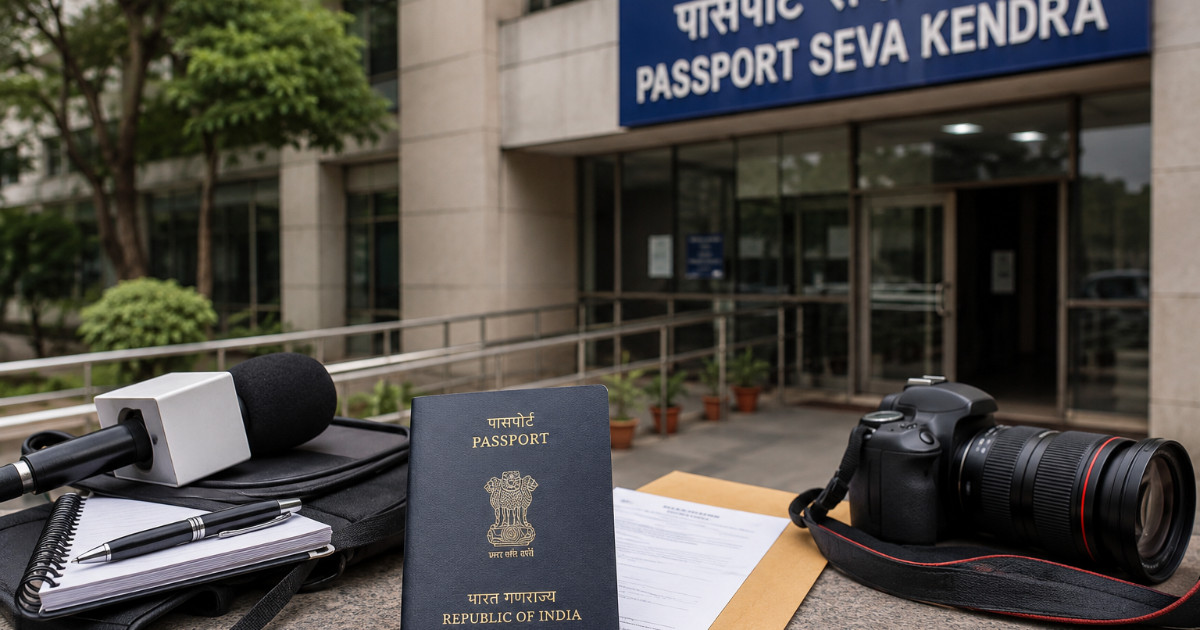
PHOTO: AI-generated; for illustrative purposes only.
Key Points
- Ravi Nair was sentenced to one year in prison in a defamation case.
- The complaint was filed by Adani Enterprises alleging linked defamatory content.
- Criminal defamation is governed by IPC Sections 499 and 500 and can carry imprisonment.
- Press freedom advocates warn such penalties can chill investigative journalism.
- The verdict has reignited debate over protecting reputation versus free expression.
Relevant Topics
Ask AI: Understand this story your way
AI EnabledDig deeper, ask anything — get instant context, background, and clarity.
Disclaimer: This feature is powered by AI and is intended to help readers explore and understand news stories more easily. While we strive for accuracy, AI-generated responses may occasionally be incomplete or reflect limitations in the underlying model. This feature does not represent the editorial views of JournalismPakistan. For our full, verified reporting, please refer to the original article.