
Australia moves to sue platforms over under-16 ban
JournalismPakistan.com | Published: 31 March 2026 | JP Global Monitoring
Join our WhatsApp channel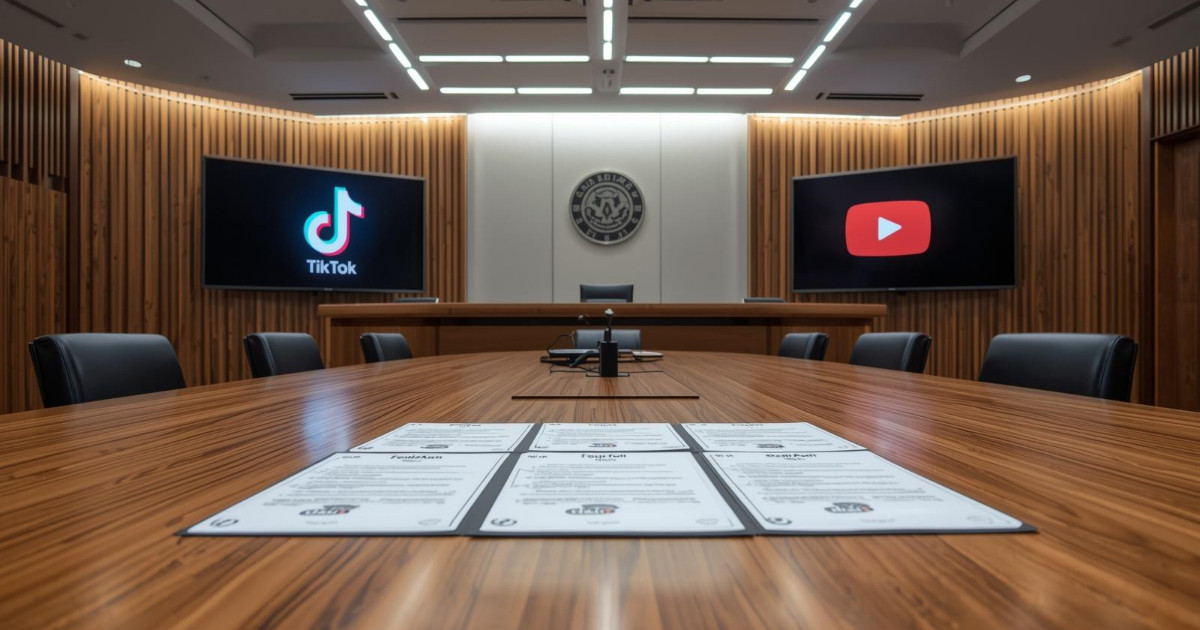
Australian regulators plan to sue major platforms, including TikTok, Snapchat and YouTube, for allegedly failing to enforce a ban on users under 16; the case could force stricter age verification and influence policies in Indonesia and Malaysia.Summary
CANBERRA — Australia is preparing legal action against major social media platforms, alleging failures to enforce its landmark ban on users under the age of 16, in a move that could redefine global platform accountability standards.
Regulators say companies, including TikTok, Snapchat, and YouTube, have not taken sufficient steps to prevent underage users from accessing their services, despite the law requiring robust age verification mechanisms. The legislation, introduced as part of a broader push to protect minors online, is among the strictest of its kind globally.
Regulators escalate enforcement pressure
Authorities have indicated that enforcement efforts are now shifting from compliance monitoring to potential litigation, signaling frustration with what officials describe as slow or inadequate responses from platforms. The legal action could involve significant penalties and compel companies to adopt stricter identity verification systems.
The dispute centers on whether platforms have implemented effective safeguards or merely relied on self-declared age inputs, which regulators argue are insufficient. Officials maintain that meaningful enforcement requires proactive detection systems and stronger accountability frameworks.
Regional ripple effects for media regulation
Although Australia is geographically outside Asia, its regulatory approach is being closely watched across the region, particularly in countries such as Indonesia and Malaysia, where policymakers are exploring similar measures. Media analysts say the outcome of this case could influence how governments across Asia design future digital regulations.
For media organizations, the implications extend beyond compliance. Stricter age-gating measures could reshape audience demographics, limit reach among younger users, and alter how news content is distributed on major platforms. This may force publishers to rethink engagement strategies, especially on platforms heavily used by younger audiences.
Platforms face broader governance shift
The legal threat underscores a wider global trend toward tighter regulation of social media companies, particularly around user safety, data protection, and algorithmic transparency. Governments in Europe and elsewhere have already introduced laws to hold platforms accountable, but Australia’s focus on age restrictions marks a significant escalation.
If successful, the case could establish a precedent for holding platforms legally responsible for user verification failures, potentially accelerating similar actions in other jurisdictions. Industry observers note that this could lead to more fragmented global standards, complicating operations for multinational tech firms.
WHY THIS MATTERS: Pakistan’s media industry, which relies heavily on social platforms for distribution, could face similar regulatory shifts as governments worldwide tighten oversight. Newsrooms may need to diversify audience strategies and prepare for reduced algorithmic access to younger users. The case also highlights the growing importance of compliance and platform policy literacy for digital journalists.
ATTRIBUTION: Information cited from publicly available reporting by Reuters (March 31, 2026).
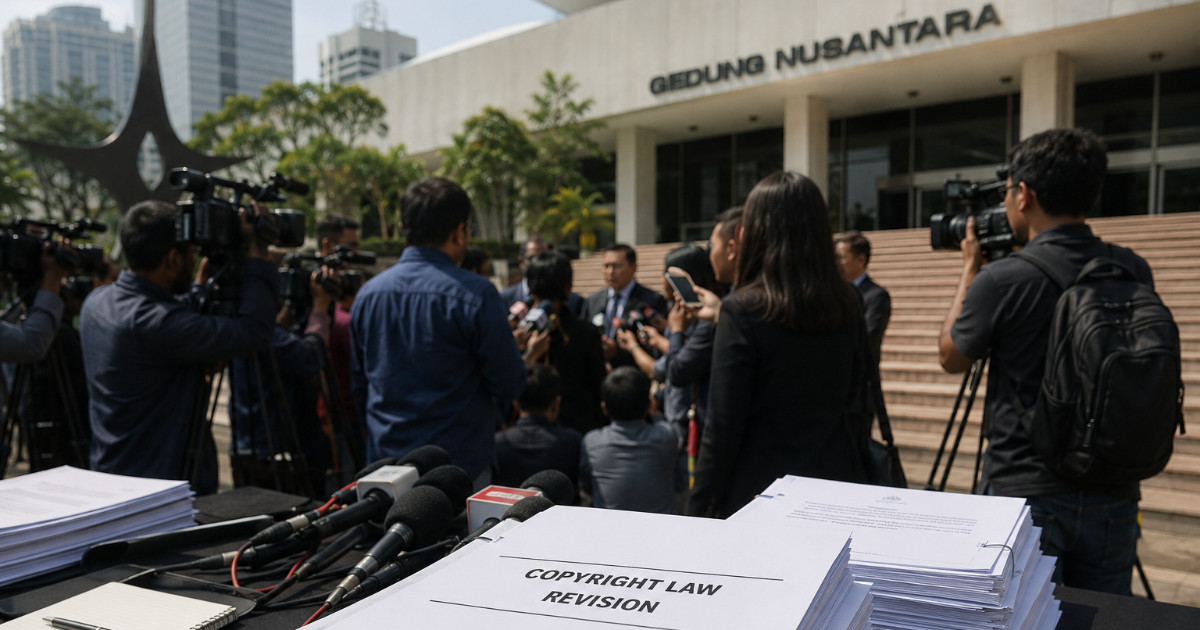
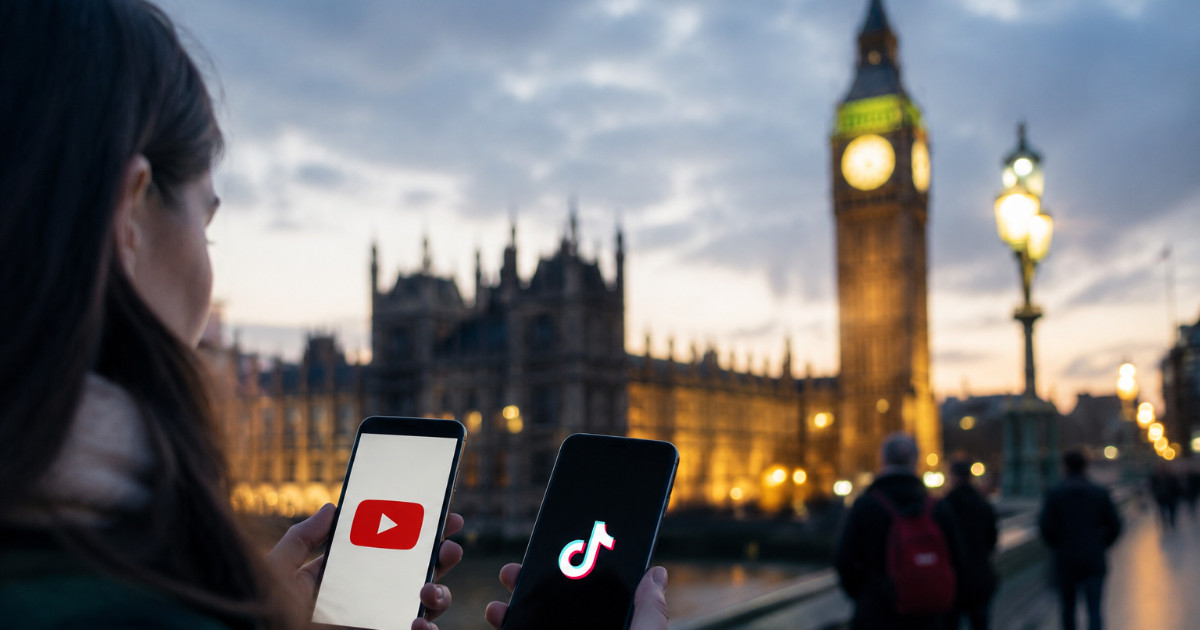
PHOTO: AI-generated; for illustrative purposes only.
Key Points
- Regulators allege major platforms have not adequately enforced a law banning users under 16.
- Named services include TikTok, Snapchat and YouTube, which face potential legal action.
- Authorities contend platforms relied on self-declared ages rather than proactive detection systems.
- Enforcement is shifting from monitoring to litigation, signaling increased regulatory pressure.
- Legal action could impose penalties and require stricter identity and age-verification measures.
- The outcome may influence policy debates in countries such as Indonesia and Malaysia.
Key Questions & Answers
What action is Australia taking?
Australian regulators are preparing legal action against major social platforms for allegedly failing to enforce a ban on users under 16.
Which platforms are being targeted?
Regulators have cited TikTok, Snapchat and YouTube among the companies under scrutiny.
What is the core allegation?
Officials say platforms have not implemented robust age verification and have relied on self-declared ages rather than proactive detection systems.
Could this case affect other countries?
Yes; the case could influence policymakers in Indonesia, Malaysia and other governments considering similar measures.
Relevant Topics
Ask AI: Understand this story your way
AI EnabledDig deeper, ask anything — get instant context, background, and clarity.
Disclaimer: This feature is powered by AI and is intended to help readers explore and understand news stories more easily. While we strive for accuracy, AI-generated responses may occasionally be incomplete or reflect limitations in the underlying model. This feature does not represent the editorial views of JournalismPakistan. For our full, verified reporting, please refer to the original article.