
Atta Tarar blames 2019 policies for media industry's crisis
JournalismPakistan.com | Published: 28 July 2026 | JP Staff Report
Join our WhatsApp channel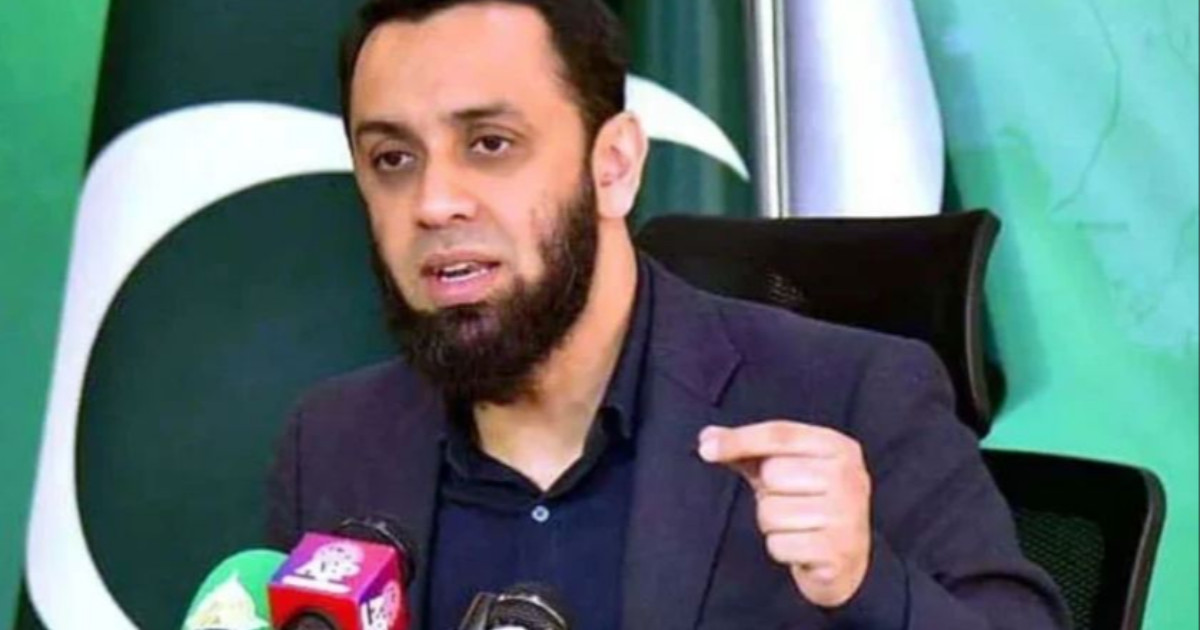
Information Minister Attaullah Tarar blamed 2019 policies for the financial strain on Pakistan's media, citing cuts to official ad rates and capped press club grants; he said the government will lift the cap and work to restore broadcaster revenues.Summary
ISLAMABAD — Federal Minister for Information and Broadcasting Attaullah Tarar has blamed media policies introduced in 2019 for the financial difficulties facing Pakistan's media industry, arguing that decisions taken during that period significantly reduced the sector's financial capacity and continue to affect news organizations years later.
Speaking at the inauguration of the National Press Club's new website, Tarar said it was the government's responsibility to develop policies that strengthened the media industry while ensuring journalists could earn dignified livelihoods. He said the current administration was working to reverse measures that had weakened broadcasters, newspapers, and press institutions.
Minister targets advertising cuts and grant limits
Tarar criticized a 2019 policy that capped federal grants for press clubs at Rs1 million for the National Press Club and Rs500,000 for smaller press clubs, saying there was no justification for imposing such limits on the country's premier press club. He said the government had already initiated an amendment to remove the cap and directed the Ministry of Information and Broadcasting to resolve the matter.
The minister also pointed to reductions in official advertising rates for television channels introduced in 2019, saying top broadcasters saw per-minute rates fall sharply while other channels also experienced significant cuts. Although advertising rates have since been revised, he argued the earlier reductions continue to place financial pressure on media organizations six to seven years later.
Government promises support for journalists
Tarar said no television channel or newspaper was currently facing suspension of government advertisements regardless of editorial policy. He added that an earlier dispute involving one newspaper had been resolved through dialogue. He also said the government had urged the Pakistan Broadcasters Association (PBA) and the All Pakistan Newspapers Society (APNS) to prioritize payment of employees' salaries whenever government dues were released.
Calling for stronger protections for media workers, the minister proposed a comprehensive job security policy, a compensation mechanism for journalists killed while performing professional duties, and a government-backed health card for journalists.
Digital training and newsroom support
Tarar announced that the Ministry of Information and Broadcasting would establish a digital lab at the National Press Club equipped with a podcast studio and digital content creation facilities. He also said the ministry was partnering with Quaid-e-Azam University, NUST, COMSATS University, and NUML University to offer short courses in digital content creation and digital marketing for information officers and nominated journalists, with training costs covered by the ministry.
He further pledged to pursue issues relating to journalists' housing, travel concessions, and the National Press Club building, while proposing monthly consultations between the government and journalists to address industry challenges. Tarar maintained that mainstream electronic and print media remained essential institutions despite the growth of digital platforms.
WHY THIS MATTERS: The minister's remarks reopen debate over the long-term impact of government advertising and funding policies on the financial sustainability of Pakistan's news industry. His proposals on job security, journalist welfare, digital training, and media financing could influence future government-media relations and shape discussions on how to strengthen the country's journalism sector.
ATTRIBUTION: Reporting by JournalismPakistan, based on publicly available remarks by Federal Minister for Information and Broadcasting Attaullah Tarar during the National Press Club website inauguration on July 27, 2026.
Key Points
- Attaullah Tarar blamed 2019 media policies for weakening Pakistan's media financially.
- A 2019 cap limited National Press Club grants to Rs1 million and smaller clubs to Rs500,000.
- Official television advertising rates were sharply reduced in 2019, squeezing broadcasters.
- The government has initiated amendments to remove the grant cap and instructed ministry action.
- Tarar said previous cuts continue to pressure newspapers, broadcasters and press institutions.
Key Questions & Answers
What did the minister say about 2019 policies?
He said the policies enacted in 2019 weakened the media's financial capacity by cutting ad rates and imposing grant limits, and that the government is taking steps to reverse those measures.
What grant limits did the 2019 policy set?
The policy capped federal grants at Rs1 million for the National Press Club and Rs500,000 for smaller press clubs.
How were advertising rates affected?
Official advertising rates for television channels were reduced in 2019, with top broadcasters seeing sharp per-minute rate drops and other channels also facing cuts.
What actions will the government take?
The government has initiated an amendment to remove the grant cap, directed the Ministry of Information and Broadcasting to resolve the issue, and aims to address advertising rate problems.
Relevant Topics
Ask AI: Understand this story your way
AI EnabledDig deeper, ask anything — get instant context, background, and clarity.
Disclaimer: This feature is powered by AI and is intended to help readers explore and understand news stories more easily. While we strive for accuracy, AI-generated responses may occasionally be incomplete or reflect limitations in the underlying model. This feature does not represent the editorial views of JournalismPakistan. For our full, verified reporting, please refer to the original article.