
AFP calls for probe after Gaza journalist killing
JournalismPakistan.com | Published: 24 January 2026 | JP Middle East Desk
Join our WhatsApp channel
AFP calls for a full investigation into the killing of freelance photojournalist Abdel Raouf Shaat in Gaza. The incident highlights the extreme risks faced by journalists reporting from frontline areas.Summary
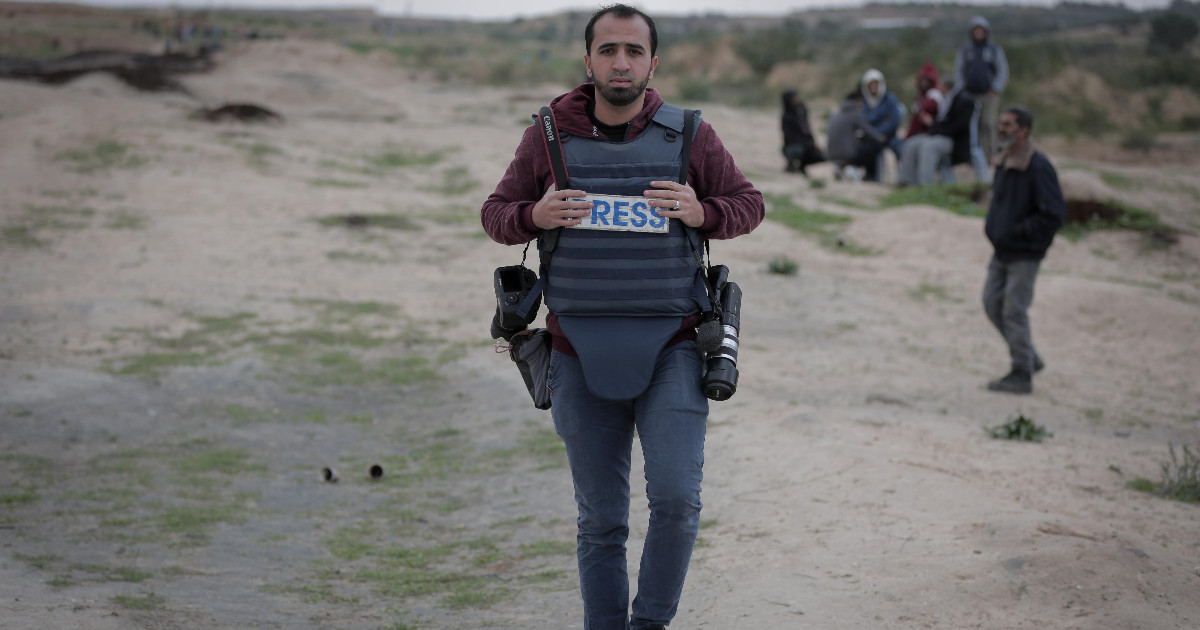
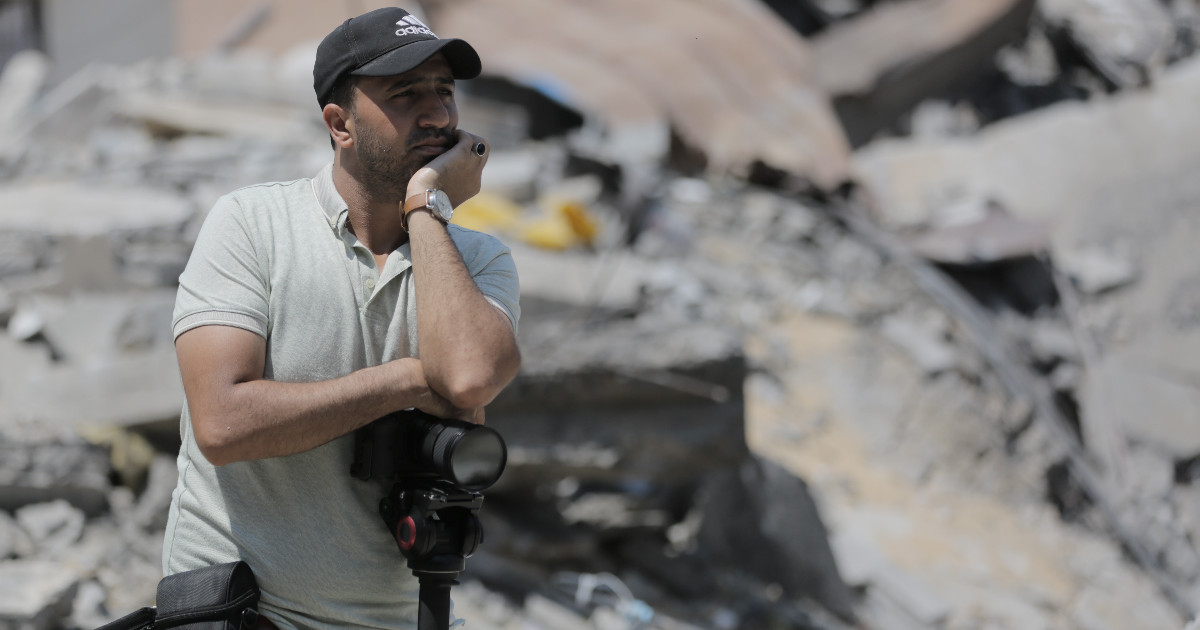
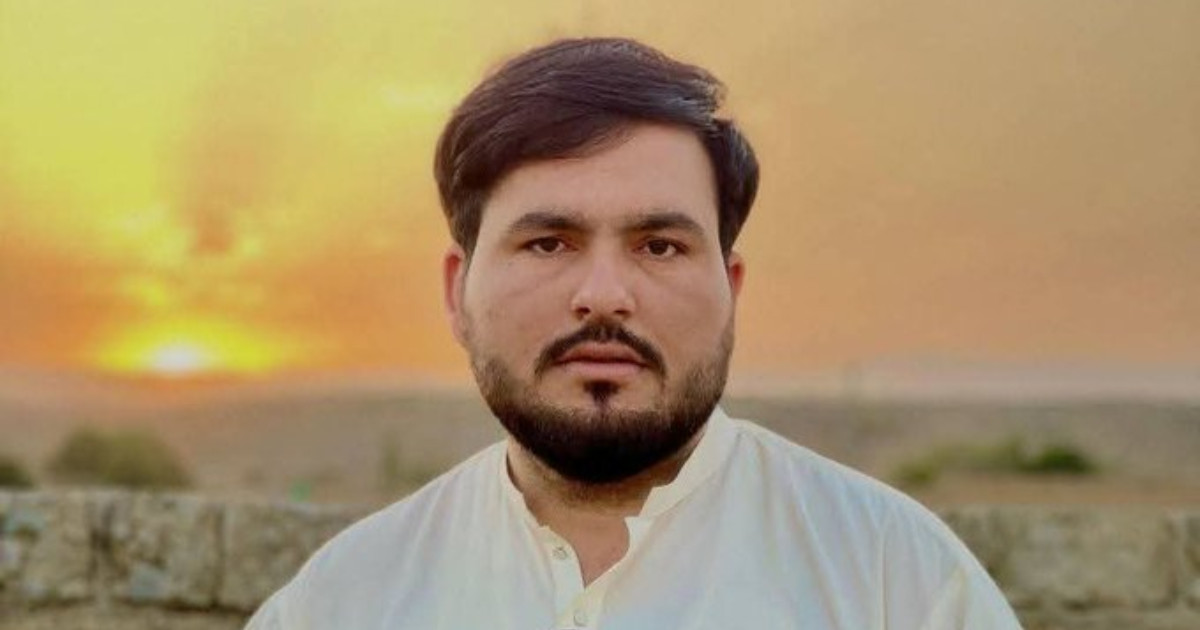
GAZA STRIP — Agence France‑Presse has urged an independent and transparent investigation into the killing of its freelance photojournalist Abdel Raouf Shaat in the Gaza Strip, calling the circumstances of his death deeply troubling and demanding accountability from all parties involved.
Shaat, 34, was killed alongside two other journalists during an Israeli military strike on January 21, according to multiple credible news reports. The Israeli military said it struck individuals it described as operating a drone, but did not clarify whether it had identified them as journalists. The vehicle was reportedly marked and associated with media work.
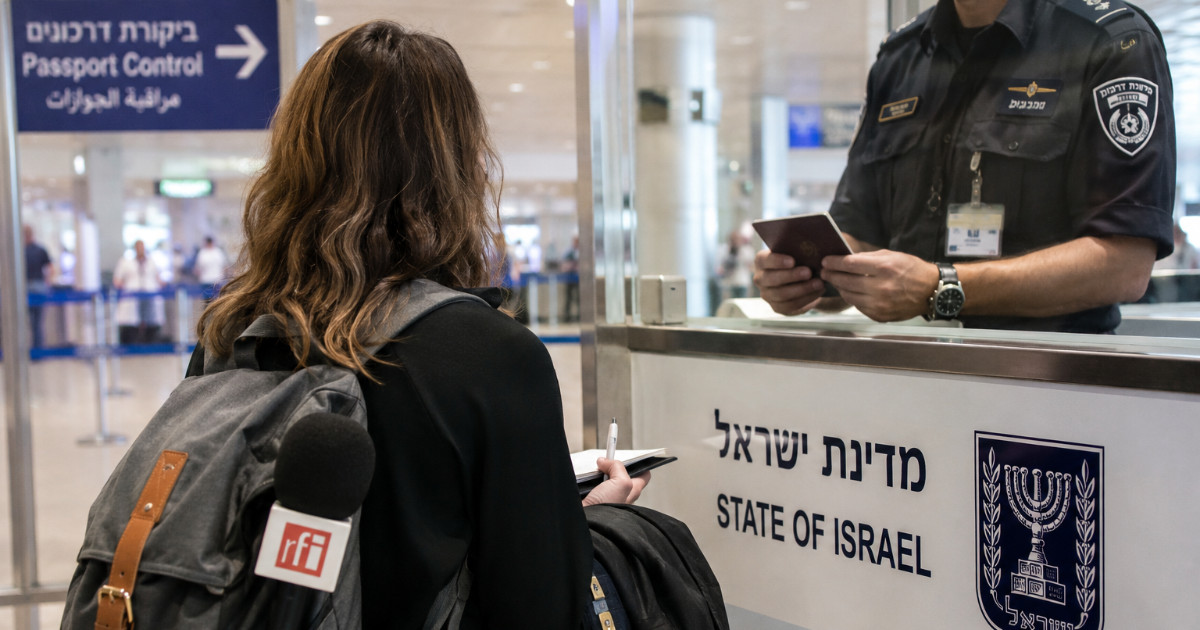
Once a contributor to both AFP and CBS News, Shaat had documented the conflict amid severe restrictions on foreign media access to Gaza, where international journalists have been largely barred from entering for nearly two years while local journalists face significant risks.
Press freedom groups say dangerous conditions persist for non‑embedded media professionals in the territory, where frontline reporting carries lethal hazards, and journalists are frequently exposed to airstrikes, artillery fire, and other combat operations.
Press freedom groups warn of escalating risks
Media watchdogs and press freedom advocates have condemned the deaths of Shaat and his colleagues, highlighting what they describe as a pattern of journalists being killed or injured in the conflict. Reporters Without Borders and the Committee to Protect Journalists have documented hundreds of media workers killed in Gaza since the start of the broader war, which began in 2023. These figures include a rising toll of Palestinian journalists, many of whom are freelancers working under perilous conditions.
Journalists in Gaza have also reported being targeted in high‑profile incidents, including strikes on hospitals where camera crews were present and attacks on tents used by reporters. One such incident in August 2025 killed multiple journalists from international outlets and local media, prompting global criticism of tactics that endanger press workers.
The dangers for reporters are compounded by restricted access that limits independent verification of events on the ground, forcing remaining correspondents to work in some of the most hazardous conditions in modern conflict zones. Frequent bombardments and shifting frontlines have made even clearly marked media vehicles vulnerable to violence.
International calls for protection and accountability
In response to these threats, international journalist unions and rights groups have repeatedly called on all parties to the conflict to respect international humanitarian law and ensure the safety of journalists. The International Federation of Journalists and other organizations have documented significant casualties among media workers and urged concrete measures to prevent further loss of life.
Regional and global leaders have been urged to press for safe reporting conditions, including proposals for protective gear, clear communication of media presence in combat zones, and independent investigations into attacks on journalists. Such measures, advocates argue, are essential to uphold press freedom and protect those documenting the human toll of the conflict.
ATTRIBUTION: This story is based on reporting from AFP, The Washington Post, Associated Press, and media freedom organizations.
Key Points
- AFP calls for an independent investigation into the killing of freelance photojournalist Abdel Raouf Shaat in Gaza.
- Shaat was killed during an Israeli strike while reporting, raising concerns over journalist safety in conflict zones.
- Press freedom groups warn of heightened risks for local and non-embedded journalists in Gaza.
- International organizations urge compliance with humanitarian law and protective measures for reporters.
- Restricted media access and ongoing hostilities exacerbate dangers for journalists documenting the conflict.
Relevant Topics
Ask AI: Understand this story your way
AI EnabledDig deeper, ask anything — get instant context, background, and clarity.
Disclaimer: This feature is powered by AI and is intended to help readers explore and understand news stories more easily. While we strive for accuracy, AI-generated responses may occasionally be incomplete or reflect limitations in the underlying model. This feature does not represent the editorial views of JournalismPakistan. For our full, verified reporting, please refer to the original article.