
World Cup hydration breaks open a new ad revenue stream
JournalismPakistan.com | Published: 12 June 2026 | JP Global Monitoring
Join our WhatsApp channel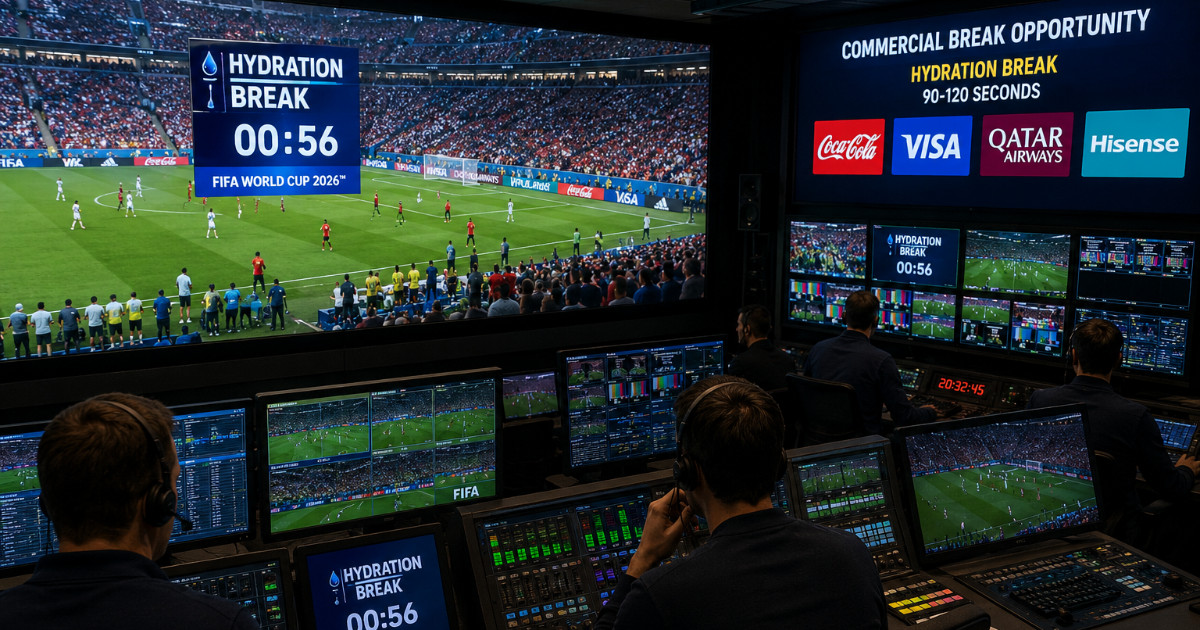
Broadcasters covering the 2026 FIFA World Cup plan to monetize FIFA-mandated hydration breaks by selling brief premium ad slots, which analysts say could create valuable inventory in key markets as broadcasters seek revenue to offset rising rights costs.Summary
LONDON — Broadcasters covering the 2026 FIFA World Cup are preparing to capitalize on a new commercial opportunity created by FIFA-mandated hydration breaks, with media analysts predicting that the pauses could generate valuable advertising inventory during matches.
According to Reuters reporting published on June 11, analysts expect the breaks to create premium advertising slots, particularly in television markets where commercial interruptions are a major source of revenue. The development comes as media companies continue to explore new ways to strengthen revenues amid changing audience habits and ongoing economic pressures on traditional broadcasting models.
Hydration breaks create fresh inventory
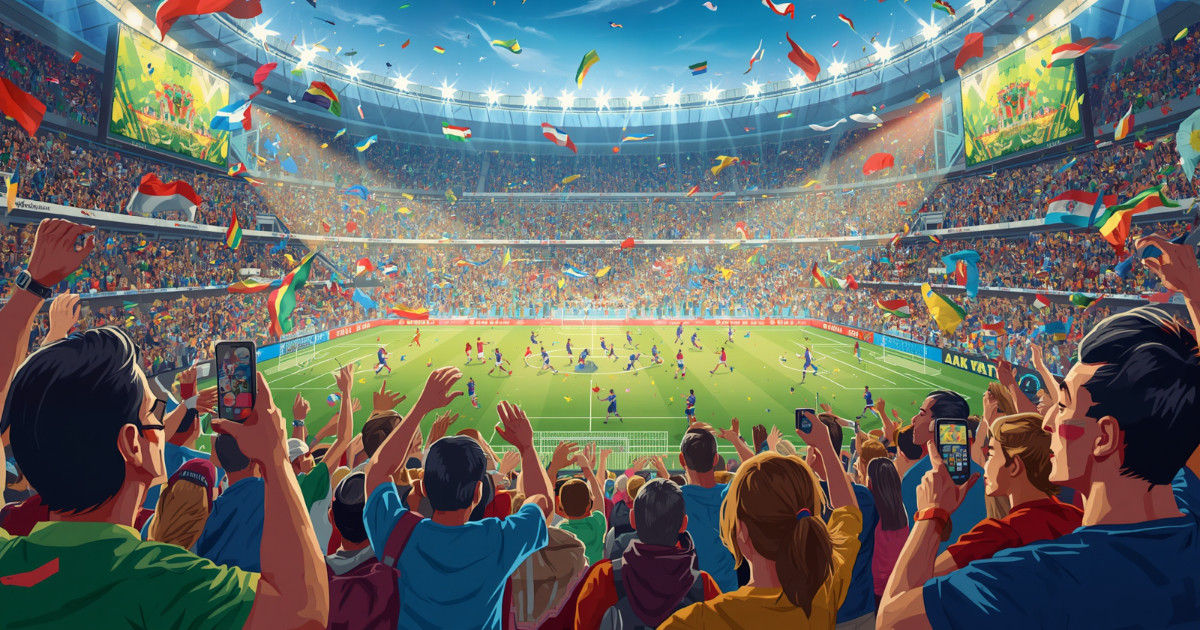
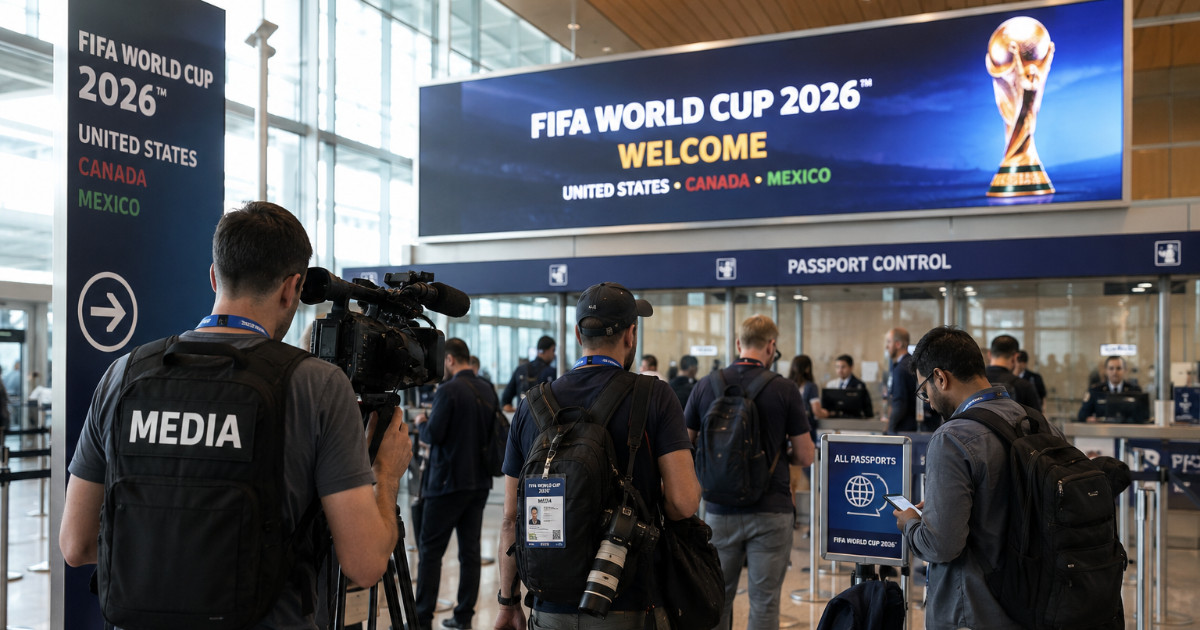
The 2026 FIFA World Cup, hosted by the United States, Canada, and Mexico, is expected to attract one of the largest global television audiences in sports history. Any additional advertising opportunities during live matches, therefore, carry significant commercial value for rights holders and broadcasters.
Industry observers told Reuters that the mandated breaks could allow networks to introduce short advertising segments without disrupting the flow of play to the extent of traditional commercial interruptions. In highly commercial television markets, such inventory is expected to command premium rates due to the scale of audience engagement during World Cup matches.
Sports broadcasting economics continues to evolve
The move reflects broader changes in sports media economics, where broadcasters increasingly seek new revenue streams to offset rising rights costs and growing competition from digital platforms and streaming services.
Major sports events remain among the few forms of programming capable of attracting large live audiences simultaneously. As a result, broadcasters and advertisers continue to experiment with new commercial formats that maximize revenue while maintaining viewer engagement. The hydration-break model may offer a template for future sports properties looking to balance commercial demands with audience expectations.
For media companies investing heavily in sports rights, even limited additional advertising windows can have a meaningful impact on revenue performance. Analysts say the World Cup experience will likely be closely watched across the broader sports broadcasting industry.
WHY THIS MATTERS: The development highlights how broadcasters are adapting sports coverage to create additional revenue opportunities without significantly altering viewing experiences. For media executives and newsroom leaders, it illustrates the growing importance of monetization innovation as traditional advertising and subscription models face increasing pressure across the global media industry.
ATTRIBUTION: Reporting by JournalismPakistan, based on a publicly available report by Reuters on June 11, 2026.
Key Points
- FIFA-mandated hydration breaks will be used in 2026 World Cup matches.
- Broadcasters intend to sell brief premium advertising slots during these pauses.
- Analysts expect the inventory to command higher rates in commercial TV markets.
- The move aims to help rights holders and networks generate revenue amid rising costs.
Key Questions & Answers
What are hydration breaks?
Hydration breaks are short, FIFA-mandated pauses during matches to allow players to hydrate and recover, typically used in hot conditions or as required by competition rules.
Will broadcasters be allowed to show ads during these breaks?
Broadcasters plan to offer brief advertising slots during the mandated breaks where rights agreements and local regulations permit, creating new short-form inventory.
Who could benefit from this change?
Rights holders, broadcasters and advertisers could benefit commercially from the new premium inventory and the large global World Cup audience.
Will these ads disrupt the viewing experience?
The breaks are short and structured; analysts say brief ads may be less disruptive than traditional commercial breaks, though viewer responses may vary.
Relevant Topics
Ask AI: Understand this story your way
AI EnabledDig deeper, ask anything — get instant context, background, and clarity.
Disclaimer: This feature is powered by AI and is intended to help readers explore and understand news stories more easily. While we strive for accuracy, AI-generated responses may occasionally be incomplete or reflect limitations in the underlying model. This feature does not represent the editorial views of JournalismPakistan. For our full, verified reporting, please refer to the original article.