

When a newsroom banned JournalismPakistan
JournalismPakistan.com | Published: 21 November 2026 | JP Staff Report
Join our WhatsApp channel
In June 2012 a Peshawar bureau briefly barred staff from visiting JournalismPakistan during work hours for three days, stirring debate about newsroom control and journalists' access to information about their own profession.Summary
Revisiting the stories, people, and events that shaped journalism, and what they tell us today
From the JP Archives | Originally published June 17, 2012
In June 2012, journalists at a newspaper bureau in Peshawar were told not to read JournalismPakistan.com during office hours. The restriction lasted only three days, but the episode raised an uncomfortable question about newsroom management and journalists' access to information about their own profession.
ISLAMABAD — Fourteen years ago, JournalismPakistan found itself at the center of an unusual newsroom controversy. A newspaper bureau in Peshawar had instructed its journalists not to visit the website during working hours, reportedly because they were spending too much time reading its coverage of the media industry.
The incident might appear relatively minor today, but it revealed an interesting tension within journalism. Reporters whose profession depended on access to information were being discouraged from reading news about their own industry.
A ban that made news
On June 17, 2012, JournalismPakistan published a report titled JP banned in bureau office, written by Z B Saigol. According to an inside source quoted in the report, journalists at the Peshawar bureau of an English-language newspaper had been warned against accessing JP during office hours.
The website's reporting on the then-prominent Bahriagate controversy had attracted considerable attention among journalists. One reporter described JP as a reliable source of information about developments within the profession and said staff feared repercussions if caught visiting the website.
The newsroom responds
JournalismPakistan's founder and chief editor, Stephen Manuel, treated the reported restriction as evidence that the publication was making an impact. He reaffirmed JP's commitment to reporting developments involving journalists, news organizations and the media industry.
Co-founder and editor Imran Naeem Ahmad questioned the broader implications. If journalists could not freely follow developments affecting their own profession, he argued, something was wrong.
The episode ended quickly. On June 24, JP reported that the bureau had lifted the restriction after three days. The follow-up suggested that journalists had continued to value the website as a source of professional news.
What the episode tells us today
Much has changed since 2012. The media industry has become more dependent on digital platforms, while journalists increasingly obtain professional information through social media, messaging groups, independent news websites and online networks.
But the episode illustrates an enduring question: how much freedom do journalists have to scrutinize the institutions in which they work?
News organizations regularly demand transparency and accountability from governments, corporations and public institutions. Scrutinizing their own management practices, editorial decisions, and employment conditions can be more uncomfortable.
JournalismPakistan was established in 2009 partly to address that gap. Its reporting has continued to examine newsroom layoffs, unpaid salaries, media regulation, professional ethics and the treatment of journalists by their employers.
The short-lived Peshawar restriction is a small episode in that history. Its significance lies less in the ban itself than in the question it raised about the profession's willingness to examine its own affairs.
Fourteen years later, that question remains worth asking.
From the JP Archives: This article revisits JournalismPakistan's June 17 and June 24, 2012, reporting and examines its continuing relevance. Historical accounts and quotations are attributed to the original reports. The retrospective does not imply that the newsroom restriction remains in force.
- June 17, 2012 — JP banned in bureau office
- June 24, 2012 — Bureau office lifts JP ban
ATTRIBUTION: From the JP Archives | Original reporting by Z B Saigol and JournalismPakistan, June 17 and June 24, 2012. Retrospective by JournalismPakistan.
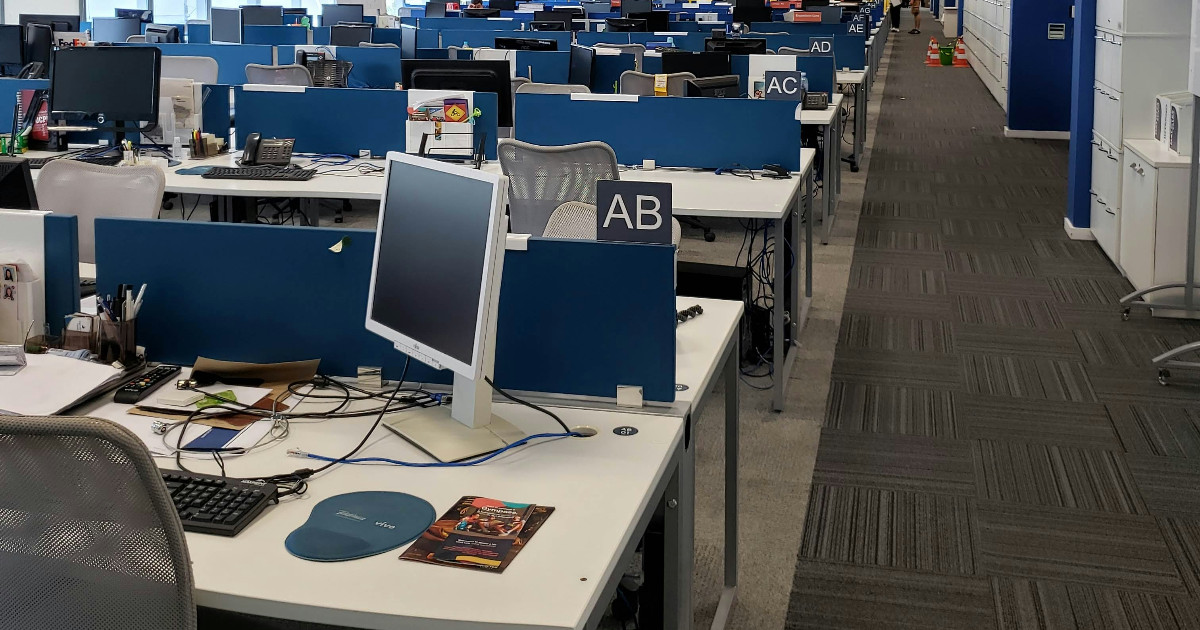
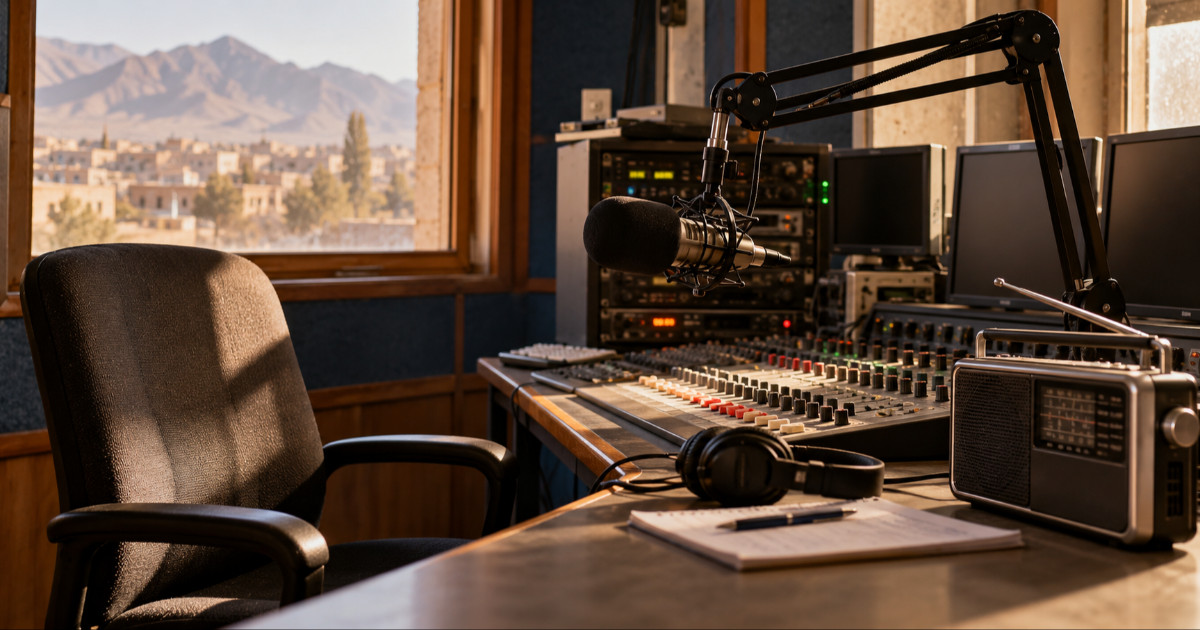
PHOTO: An early computer recalls a different era of newsroom technology. In June 2012, a newspaper bureau restricted journalists from accessing JournalismPakistan.com during office hours. (Illustrative photo by Niklas König on Unsplash)
Key Points
- In June 2012 a Peshawar bureau told journalists not to visit JournalismPakistan during office hours.
- The restriction lasted three days and affected an English-language newspaper bureau.
- The ban drew attention due to JournalismPakistan's coverage of the Bahriagate controversy.
- Reporters described JP as a reliable source for developments within the media industry.
- The episode raised questions about newsroom management, access to professional information, and press freedom.
Key Questions & Answers
Why did the bureau impose the ban?
The bureau reportedly restricted access because staff were spending significant time reading JournalismPakistan's coverage, particularly about the Bahriagate controversy.
How long did the restriction last?
The ban was enforced for three days during office hours.
What concerns did the incident raise?
The episode raised questions about newsroom management, journalists' access to information about their own profession, and potential limits on press freedom.
Did journalists respond to the restriction?
According to the report, journalists viewed JournalismPakistan as a reliable source and were concerned about repercussions and restricted access to industry news.
Relevant Topics
Ask AI: Understand this story your way
AI EnabledDig deeper, ask anything — get instant context, background, and clarity.
Disclaimer: This feature is powered by AI and is intended to help readers explore and understand news stories more easily. While we strive for accuracy, AI-generated responses may occasionally be incomplete or reflect limitations in the underlying model. This feature does not represent the editorial views of JournalismPakistan. For our full, verified reporting, please refer to the original article.