

Who really controls Pakistan's newsrooms?
JournalismPakistan.com | Published: 17 November 2026 | JP Special Report
Join our WhatsApp channel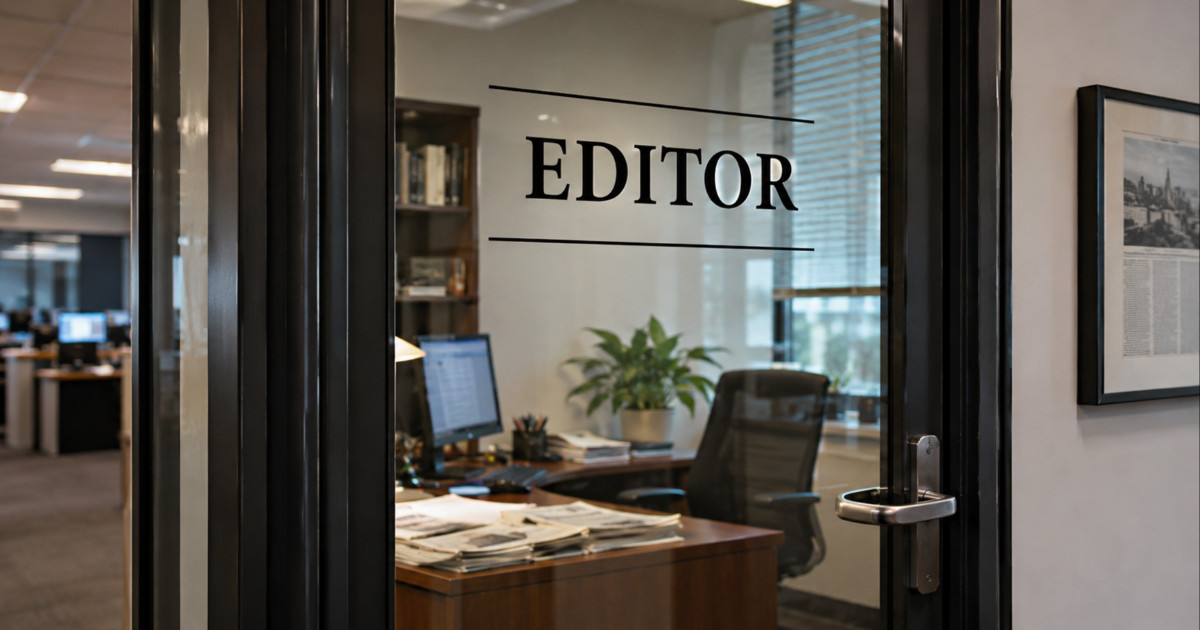
In Pakistan, editors nominally run newsrooms but operate amid pressures from owners, advertisers, regulators, political actors and state institutions. They often limit independent reporting and steer editorial choices across major outlets.Summary
Behind the headlines and television debates, Pakistan's newsrooms operate within a complicated network of ownership interests, government regulation, financial pressures, and institutional influence. Editors may make the daily decisions, but how much independence do they really have when those decisions collide with the interests of powerful people?
ISLAMABAD — In theory, editors control newsrooms. They decide which stories deserve attention, what leads the bulletin, which headlines appear on the front page, and what information should reach the public. In practice, an editor's authority in Pakistan is often more complicated.
Behind everyday editorial decisions stands a network of competing interests: media owners, advertisers, government regulators, political actors and powerful state institutions. Their influence is not always visible. Sometimes it comes through official directives or legal notices. At other times, it operates through financial dependence, informal pressure or an understanding of subjects considered too sensitive to pursue.
The owner's influence
Every privately owned newsroom ultimately answers to the people financing it. Owners decide budgets, appoint senior executives, approve expansion and determine whether a struggling publication or television channel continues operating.
Ownership does not automatically mean editorial interference. Some publishers actively protect independent reporting. Others may have commercial relationships, political connections or business interests that create conflicts with their news operations. When these interests overlap, editors can find themselves balancing professional responsibilities against the priorities of the organisation employing them.
The Media Ownership Monitor, a project associated with Reporters Without Borders, identified a high concentration of media ownership and audiences in Pakistan. Its research, based largely on 2017–2018 audience figures, found that a relatively small number of groups dominated major news platforms. Although those figures cannot be treated as a current market assessment, the findings illustrate a longstanding structural concern: concentrated ownership can limit editorial diversity.
When money shapes the news
Financial influence may be less obvious than direct censorship, but its consequences can be equally significant. News organisations depend on revenue from advertising, subscriptions, commercial arrangements and, in many cases, government advertising.
Government advertisements have long been an important source of income for Pakistan's print media. Their allocation or withdrawal can therefore have consequences beyond an organisation's balance sheet. Press freedom organisations have repeatedly warned that selective advertising policies can become a means of influencing editorial behaviour.
Commercial advertisers can also create conflicts. A newsroom investigating an influential company may face uncomfortable questions from its management if that company is a major advertising client. This does not establish that advertisers routinely dictate coverage, but it demonstrates why clear separation between commercial and editorial departments matters.
Financial insecurity adds another dimension. Journalists facing delayed salaries, insecure contracts, or redundancy may be less willing to challenge management decisions. On November 10, 2026, the National Assembly Standing Committee on Information and Broadcasting expressed serious concern over unpaid media salaries and layoffs, seeking a government action plan within 15 days.
The power of regulators and institutions
The state exercises another form of influence through legislation, licensing requirements, regulatory enforcement and access to official information.
Pakistan's electronic media regulator, PEMRA, has authority over licensed broadcasters. Its October 13, 2026, directive reiterated restrictions on live coverage of explosions, gunfire, terrorist attacks and other specified incidents. It also required broadcasters to use information verified by relevant authorities, employ time-delay mechanisms and maintain independent editorial boards.
Authorities present such restrictions as necessary for responsible broadcasting, public safety and preventing unverified information from reaching audiences. Press freedom organisations, however, have questioned whether requiring official verification could limit journalists' ability to independently establish what happened.
The Committee to Protect Journalists warned in October that the restrictions risked turning legitimate safety safeguards into official control over information.
Beyond formal regulation lies the question of institutional influence. Reporters Without Borders has described the military's influence over Pakistan's political and media environment as a major obstacle to independent journalism. Its assessment also identifies legal pressure, intimidation, and economic vulnerability as constraints on reporting.
Not every newsroom experiences these pressures in the same way. Nor does every editorial decision involving national security necessarily reflect outside interference. Nevertheless, the possibility of institutional consequences can influence how sensitive subjects are approached, investigated or presented.
The invisible editor: Self-censorship
Perhaps the most consequential form of control requires no written order and no telephone call.
A journalist may abandon an investigation after anticipating management's objections. A producer may avoid inviting a controversial guest. An editor may soften a headline or delay a sensitive report because of possible repercussions.
These decisions are difficult to document individually. They may also reflect legitimate editorial judgments, including concerns about accuracy, fairness or safety. The distinction matters: not every unpublished story is evidence of censorship.
But when journalists repeatedly anticipate political, commercial or institutional reactions before making editorial choices, self-censorship can become part of the newsroom's working culture.
A study published in Journalism on October 19, 2026, based on interviews with 15 journalists and senior media professionals, examined how formal regulation, informal coercion, economic pressure and organisational self-discipline reinforce one another in Pakistan.
Its findings suggest that editorial restrictions cannot be explained by identifying a single controlling institution.
Editors caught in the middle
This raises an uncomfortable question about the authority of the editor.
Editors are expected to maintain professional standards, resist outside pressure, protect journalists and serve the public interest. Yet they may have limited influence over staffing, finances, ownership policy, or decisions taken above them.
The position becomes especially difficult when editorial independence has no explicit institutional protection. A senior journalist may carry responsibility for a publication's credibility without possessing the authority to defend its reporting from commercial or external interference.
▌If the editor can publish a story without seeking permission from those whose interests are at stake, editorial independence has meaning. If not, the newsroom's real authority lies elsewhere.
The weakening of newsroom employment conditions can further undermine editorial resistance. A journalist who has not received a salary for months has fewer practical options when confronted with an unreasonable demand.
Pakistan's history nevertheless contains examples of editors, reporters and publishers resisting censorship, defending colleagues and continuing investigations despite substantial risks. These efforts demonstrate that external influence does not eliminate professional agency.
The audience and digital platforms
Digital journalism has introduced another layer of influence.
News websites, television channels and individual journalists increasingly compete for visibility on search engines, social media and video platforms. Their decisions about headlines, formats, publication times and subjects can be shaped by traffic data, advertising performance and algorithmic distribution.
This influence is different from government censorship or an owner's direct instruction. Nevertheless, it can affect what receives newsroom resources and what disappears from public attention.
Stories generating strong traffic may receive repeated promotion, while complex public-interest investigations struggle for visibility. The danger is that editorial significance becomes confused with measurable popularity.
Yet digital platforms have also enabled independent journalists and smaller publications to reach audiences without relying entirely on traditional media owners or broadcast infrastructure. Their influence is therefore both enabling and restrictive.
Who should have the final say?
The question of who controls Pakistan's newsrooms has no single answer. Owners have financial authority. Regulators exercise legal powers. Advertisers influence commercial sustainability. State institutions can affect the environment in which journalists operate. Editors and journalists retain professional responsibilities, while audiences and digital platforms increasingly shape publication priorities.
These are different forms of power, and their influence varies between organisations. It would be inaccurate to assume that every newsroom operates under identical restrictions or that every editorial compromise results from external interference.
The fundamental issue is whether news organisations have effective safeguards that allow journalists to make independent decisions when competing interests collide.
Transparent ownership, publicly stated editorial policies, separation of advertising and news operations, functioning editorial boards and fair employment protections can all strengthen that independence.
Ultimately, the most revealing measure of newsroom control is not who signs off on an ordinary headline. It is what happens when an important, verified story threatens the interests of someone powerful.
ATTRIBUTION: Analysis by JournalismPakistan. Sources: JournalismPakistan's original reporting on PEMRA's broadcasting restrictions and unpaid media salaries (October–November 2026); National Assembly Standing Committee on Information and Broadcasting (November 10, 2026); Committee to Protect Journalists (October 2026); Reporters Without Borders and Media Ownership Monitor; and research by Muhammad Ali and Hina Ali published in Journalism (October 19, 2026).
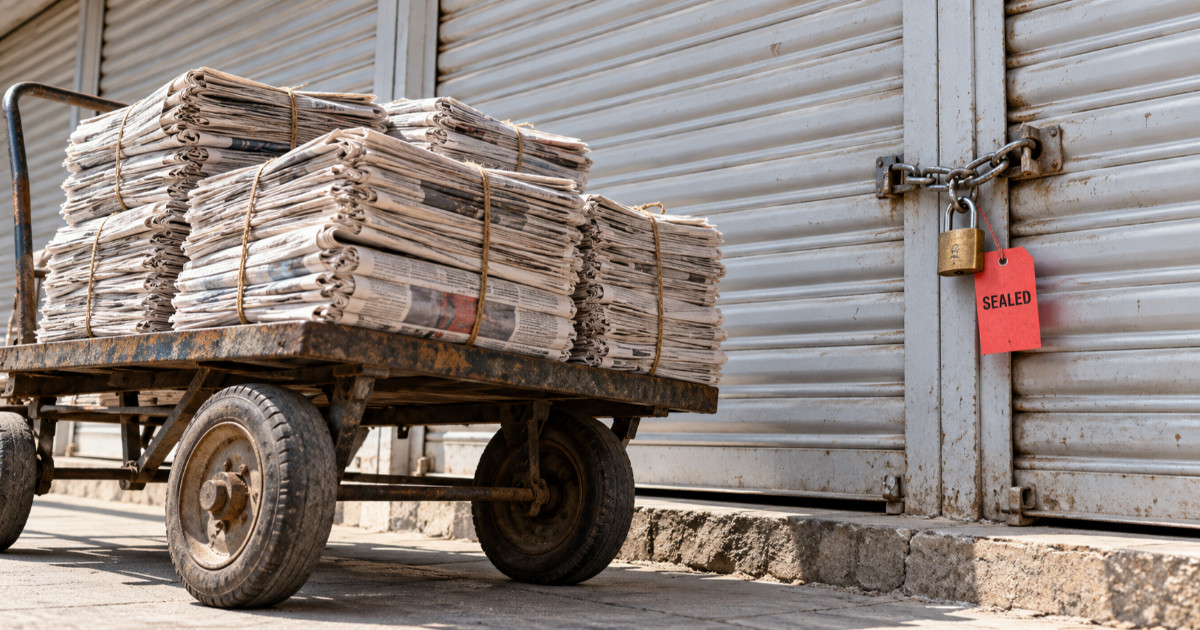
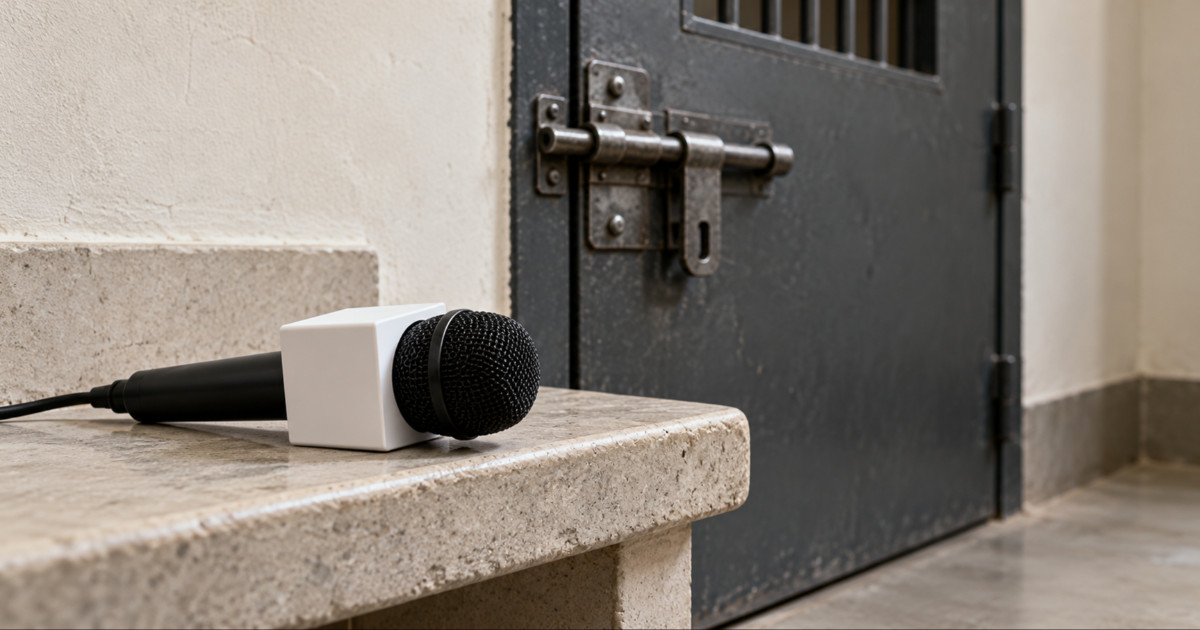
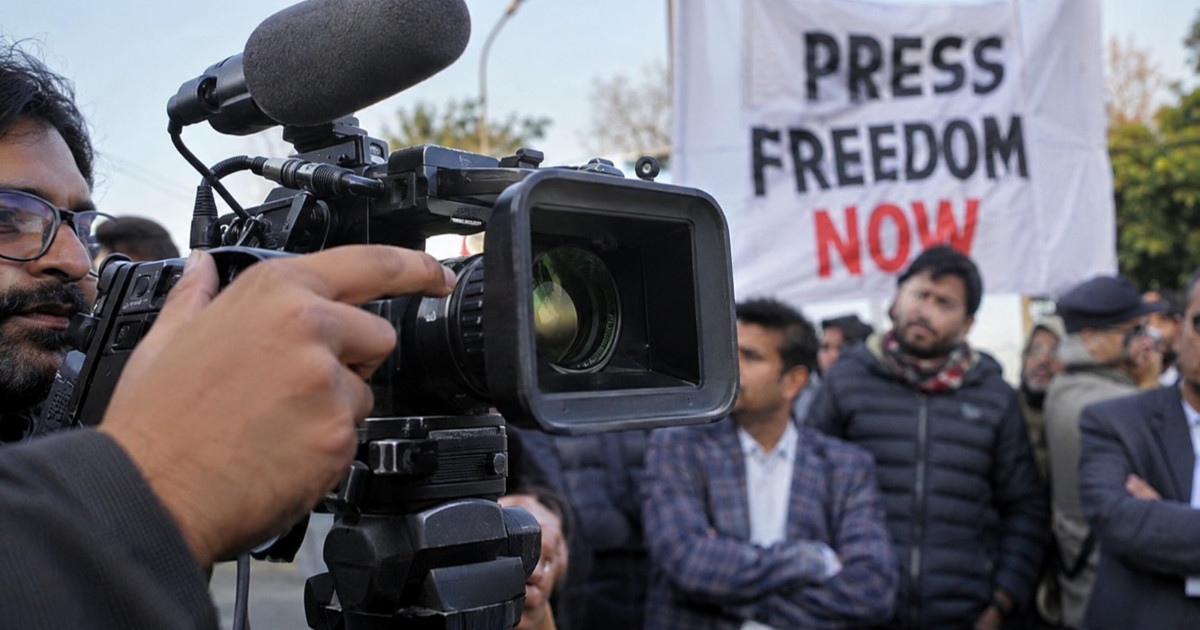
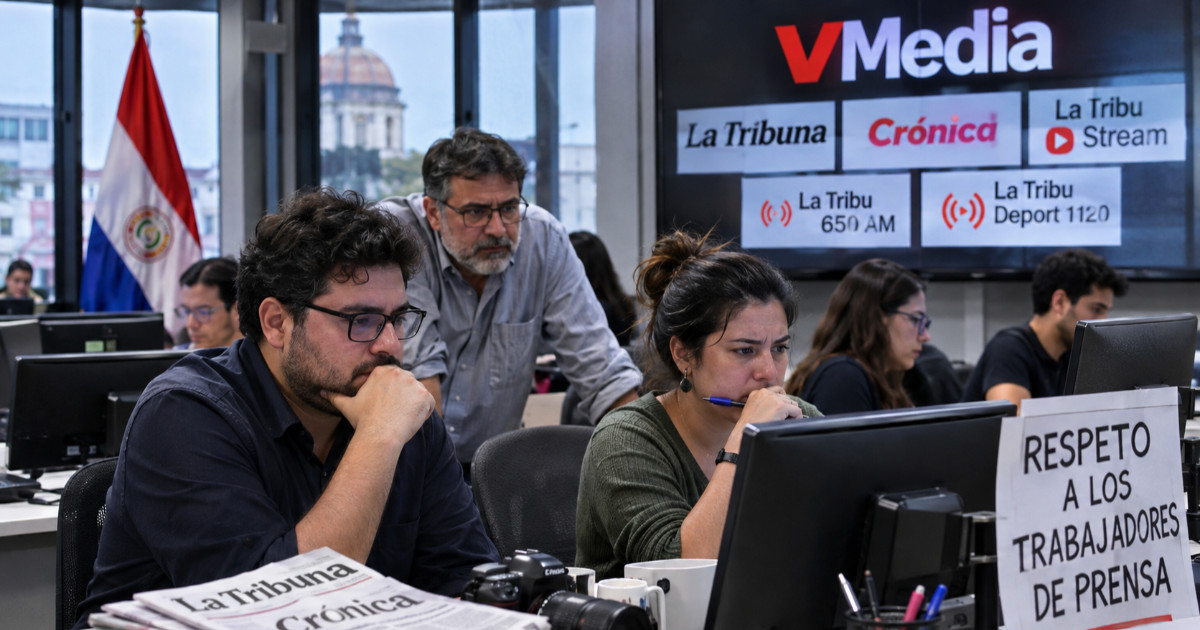
PHOTO: AI-generated; for illustrative purposes only.
Key Points
- Owners and financiers set budgets, appoint executives and can curtail coverage that conflicts with their interests.
- Financial dependence on advertisers and commercial ties shapes editorial priorities and story selection.
- Regulators and legal pressures create formal constraints and potential penalties for outlets and journalists.
- Political actors and state institutions exert influence through informal pressure, access control and directives.
- Editors' day-to-day authority is often constrained by overlapping commercial and institutional forces.
Key Questions & Answers
Who formally controls newsroom decisions?
Editors make daily editorial choices, but ownership, commercial backers and institutional pressures often shape those decisions in practice.
How do owners influence reporting?
Owners influence reporting through budget decisions, hiring senior staff, approving expansions and by discouraging coverage that conflicts with their business or political interests.
What role do advertisers and finances play?
Reliance on advertising revenue can lead outlets to avoid stories that might upset key advertisers, affecting editorial independence and story prominence.
Can regulators and state institutions affect newsroom freedom?
Yes. Regulators, legal notices and pressure from state institutions can limit reporting, prompt self-censorship and expose outlets to sanctions or closures.
Relevant Topics
Ask AI: Understand this story your way
AI EnabledDig deeper, ask anything — get instant context, background, and clarity.
Disclaimer: This feature is powered by AI and is intended to help readers explore and understand news stories more easily. While we strive for accuracy, AI-generated responses may occasionally be incomplete or reflect limitations in the underlying model. This feature does not represent the editorial views of JournalismPakistan. For our full, verified reporting, please refer to the original article.