.jpg)
Islamabad's journalists face an invisible digital battle
JournalismPakistan.com | Published: 20 November 2026 | Muhammad Faizan Aslam Khan
Join our WhatsApp channel
Journalists in Islamabad face persistent online harassment, abusive campaigns and attacks on personal data that threaten their safety, reputation and families. They erode reporters' independence and require stronger protections from media organisations.Summary
For journalists in Pakistan's capital, threats no longer end when an assignment is over. Online harassment, intimidation and attacks on personal information are creating new risks for reporters, raising questions about professional independence, personal safety and the responsibility of media organisations to protect their staff.
ISLAMABAD — The newsroom battlefield is no longer confined to crowded press conferences, courtrooms or the streets outside parliament. For journalists working in Pakistan's capital, another front has emerged on the digital screens they use every day.
A social media notification, a threatening message from an unidentified account, or a sudden wave of abusive posts can turn routine journalistic work into a personal security concern. For reporters covering politics, human rights and government affairs, the risks can extend beyond their professional lives, affecting their families, reputations and sense of safety.
When journalism becomes the target
Political reporters can become targets of online hostility because of their reporting, questions or commentary on sensitive issues.
Sheeraz Ahmed Shirazi, a political reporter associated with 365 News, has experienced online trolling and threats linked to his political reporting, according to information he shared with the contributor. His experience illustrates how journalists working on politically sensitive subjects can face pressure beyond the conventional newsroom environment.
Such hostility raises an important distinction between legitimate criticism of journalism and attempts to intimidate reporters. Abusive campaigns, threats, and attacks on professional credibility can discourage journalists from pursuing controversial subjects or expressing independent views.
The Pakistan Press Foundation documented 31 instances of threats and harassment, including online harassment and digital threats, between January 2025 and April 2026. These were part of a broader nationwide pattern of violence, intimidation and legal pressure against media professionals, detailed in its World Press Freedom Day report published in May 2026.
For journalists covering sensitive political developments in Islamabad, the concern extends beyond individual incidents. Repeated intimidation can create an environment in which reporters begin weighing the potential personal consequences before publishing a story.
Women journalists face additional risks
Women journalists encounter particular forms of online harassment that frequently go beyond criticism of their professional work. Gender-based insults, sexually abusive comments, character assassination, and the exposure of private information can become tools of intimidation.
Syeda Sabeen, a journalist associated with GNN, has also experienced severe online harassment, according to her account shared with the contributor. Her experience reflects the additional pressures women journalists may encounter while maintaining a public professional presence.
Such attacks can create fears about physical safety, particularly when they involve attempts to expose telephone numbers, family details, photographs or other personal information. Fake accounts and fabricated allegations can further damage reputations and leave journalists struggling to protect both their professional and private lives.
The Digital Rights Foundation's Digital Security Helpline recorded 3,012 cases during 2025, including 2,586 involving cyber harassment. The figures cover complaints from different sections of society rather than journalists alone, but illustrate the wider scale of digital abuse in Pakistan. The findings were published in April 2026.
For women working in journalism, digital harassment can become an additional occupational risk, forcing them to devote time and resources to protecting their identities, accounts and families while continuing their reporting responsibilities.
The personal cost of staying online
The psychological consequences of digital harassment are less visible than physical violence, but they can still disrupt a journalist's professional life.
A reporter may continue attending assignments, interviewing sources and filing stories while dealing with threatening messages, blocking suspicious accounts, changing passwords and worrying about the possible exposure of private information.
This creates a difficult choice. Journalists can reduce their online presence to limit exposure, but withdrawing from digital platforms can also affect their professional visibility, communication with sources and ability to reach audiences.
Social media has become an important part of modern journalism. Reporters use digital platforms to monitor developments, identify stories, connect with sources and distribute their work. The same platforms can also expose them to organised hostility and intimidation.
The problem becomes particularly serious when online threats lead to self-censorship. Journalists may avoid reporting on sensitive subjects, stop asking difficult questions or limit their public commentary because of fears about personal consequences.
Who protects journalists online?
Digital security is often treated as an individual responsibility, with journalists expected to protect themselves through stronger passwords, privacy settings, and security applications.
But the risks extend well beyond personal account management.
An email account breach can expose confidential correspondence. A compromised social media account can be used to circulate false information under a journalist's identity. The exposure of a telephone number can trigger persistent harassment, while disclosure of a home address can create a physical security threat.
Such incidents can also endanger confidential sources whose identities or communications may be stored on journalists' devices.
Despite these risks, digital security training is not always treated as an essential component of newsroom safety. Journalists need practical knowledge of phishing attacks, two-factor authentication, secure communication, device protection, location privacy and the safe storage of sensitive information.
News organisations must also accept responsibility for protecting employees who become targets of online intimidation.
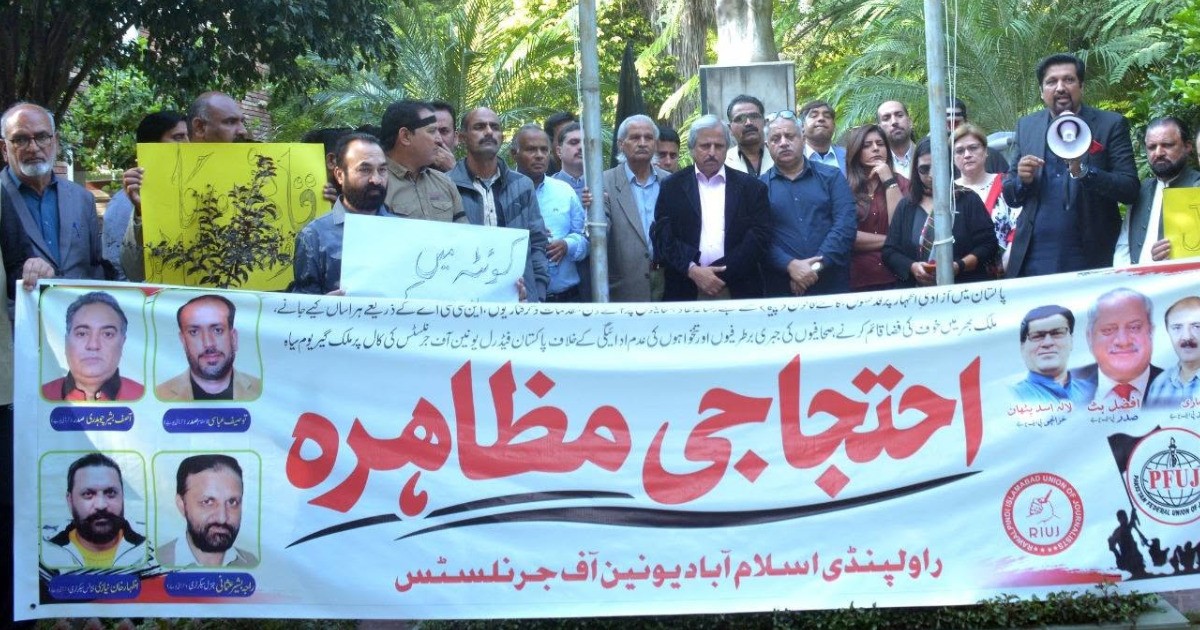
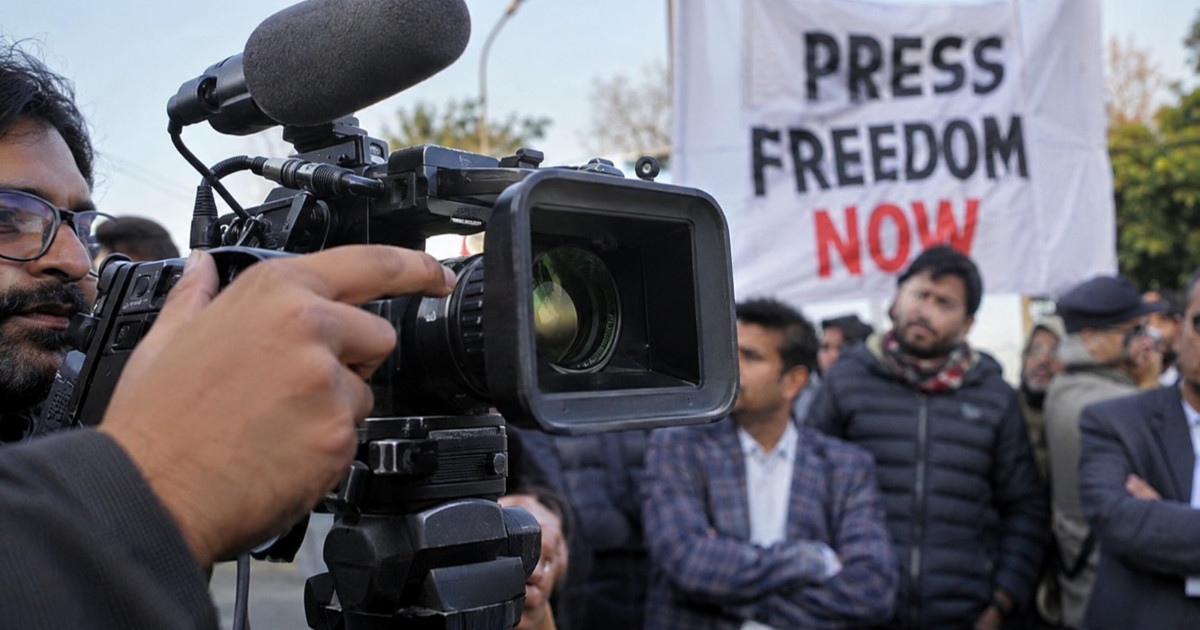
The Rawalpindi-Islamabad Union of Journalists and other representative bodies have an important role in documenting threats, providing assistance and advocating for better institutional protection.
Statements condemning harassment remain important, but affected journalists may also require legal assistance, technical expertise, psychological support and emergency guidance.
Legal protection and accountability
The growing use of digital platforms to harass journalists raises questions about the effectiveness of Pakistan's legal and institutional protections.
When personal information is exposed, accounts are compromised, or threats are received, journalists may struggle to determine where to report the incident and what protection they can realistically expect.
The situation becomes more complicated when perpetrators operate through anonymous accounts, conceal their identities or coordinate harassment across multiple platforms.
Pakistan's National Cyber Crime Investigation Agency is responsible for investigating offences under the country's cybercrime framework. However, the wider use of cybercrime laws against journalists has also generated concerns about press freedom and the potential misuse of legal processes.
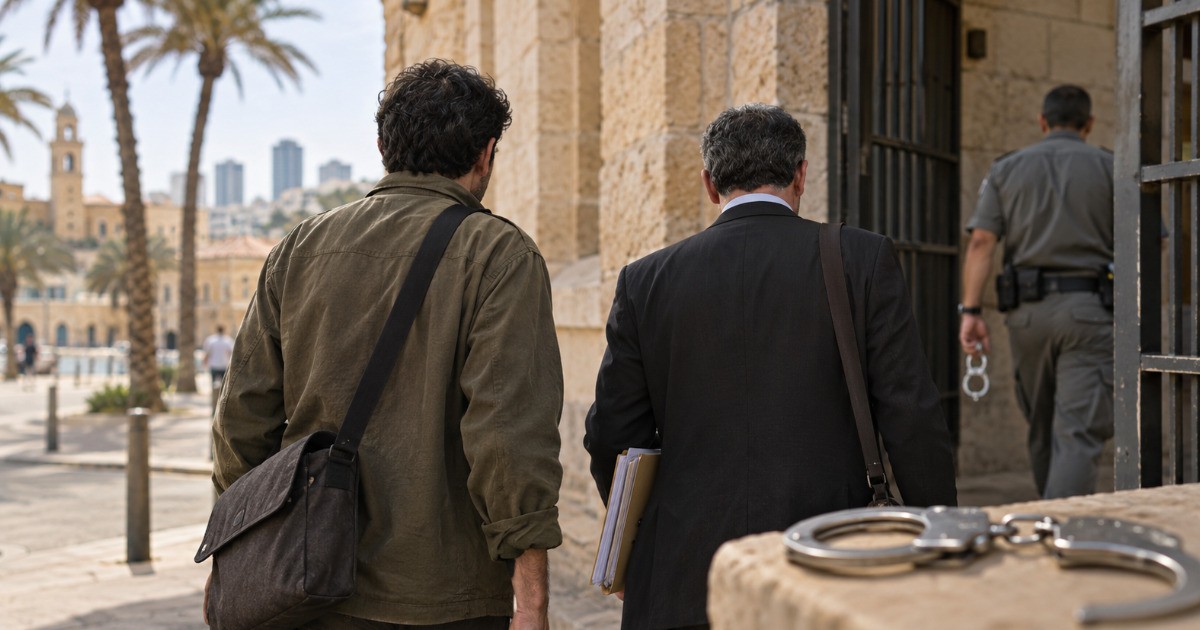
JournalismPakistan has repeatedly reported on NCCIA investigations, summonses and arrests involving journalists during 2026. These developments have raised questions about the distinction between legitimate cybercrime enforcement and actions that may restrict independent reporting.
Freedom Network's annual Impunity Report, released on October 29, 2026, documented 97 attacks and other violations against journalists between October 2025 and August 2026. It highlighted the increasing use of legal proceedings as a form of pressure on journalists, including cases involving the Prevention of Electronic Crimes Act.
Although harassment by anonymous online users and legal action by state institutions involve different circumstances, both demonstrate why journalists need credible, accessible and independent protection mechanisms.
Making digital safety a newsroom priority
Protecting journalists online requires more than advising them to change passwords or avoid responding to abusive messages.
Media organisations need clear procedures for identifying digital threats, documenting incidents, supporting affected employees and protecting confidential information.
Regular training in cybersecurity, phishing prevention, account recovery, secure communications and source protection should become part of newsroom safety programmes.
Journalists' unions and press freedom organisations can strengthen these efforts by creating reporting mechanisms, arranging technical assistance and helping members obtain legal support when necessary.
Policymakers also have a responsibility to ensure that laws intended to address online abuse offer meaningful protection against harassment, threats, impersonation and unlawful access to personal information without becoming instruments of intimidation against journalists themselves.
An effective response requires cooperation among journalists, news organisations, professional associations, digital rights groups and law enforcement agencies.
Journalism's invisible frontline
A journalist in Islamabad may still walk into parliament, sit inside a courtroom or stand outside a government office waiting for an official statement.
But professional responsibilities do not end when the assignment is over.
The second shift begins on the mobile phone.
It may involve abusive comments, a threatening message, a campaign against a published report, a fake social media profile or the discovery that private information has been circulated online.
These attacks can remain invisible to the wider public. There may be no police cordon, damaged camera or physical confrontation to indicate that a journalist is under pressure.
Yet the consequences can be deeply personal and far-reaching.
For Islamabad's journalists, digital protection is no longer a secondary concern. It is becoming a fundamental requirement for continuing their profession safely and independently.
The question is no longer simply whether journalists can report the news.
It is whether they can continue doing their jobs without being forced to choose between their profession and their personal safety.
ATTRIBUTION: Based on reporting and interviews conducted by Muhammad Faizan Aslam Khan. Additional context draws on JournalismPakistan’s previous reporting and findings published by the Pakistan Press Foundation, Digital Rights Foundation and Freedom Network in 2026.
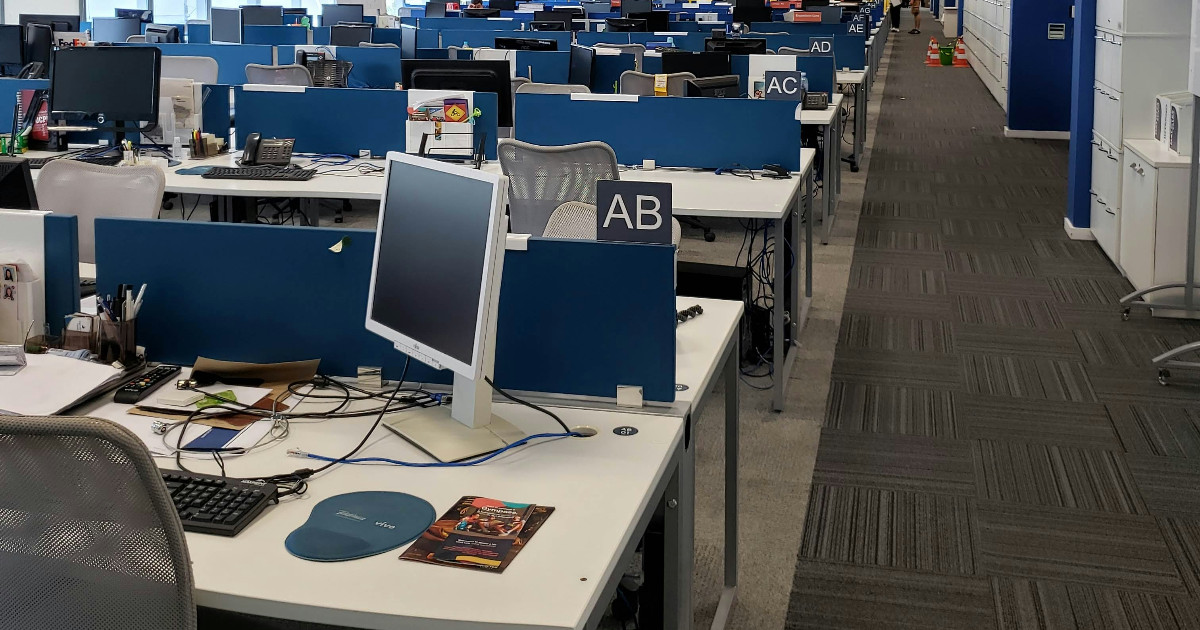
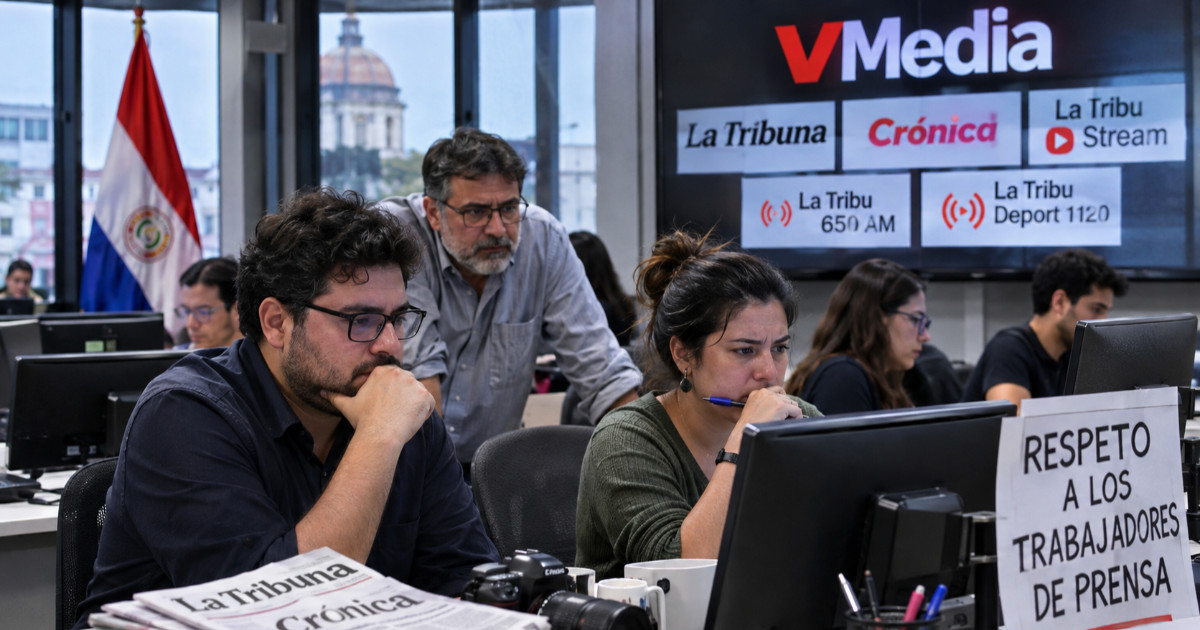
PHOTO:For journalists in Islamabad, online harassment and digital threats can extend professional risks far beyond the newsroom. (Illustrative photo by Paolo Giubilato on Unsplash)
Key Points
- Online harassment and abusive campaigns target reporters beyond their professional duties.
- Political, human rights and government reporters are especially vulnerable to trolling and threats.
- Attacks on personal data and reputations can endanger families and personal safety.
- There is a crucial difference between criticism and coordinated intimidation of journalists.
- Media organisations must introduce stronger protections, training and support for staff.
Key Questions & Answers
What kinds of online threats do journalists face?
They face trolling, abusive posts, direct threats, doxxing (exposure of personal data) and coordinated smear campaigns.
Who is most at risk from digital attacks?
Reporters covering politics, human rights and government affairs are most at risk, and attacks can also affect their families and personal lives.
What should media organisations do to protect staff?
Media organisations should offer digital security training, clear reporting procedures, legal support, counselling and technical measures to protect personal data.
How can journalists reduce their personal digital risks?
Use strong account security (2FA), review privacy settings, document threats, block and report abusive accounts, and seek organisational or legal help when needed.
Relevant Topics
Ask AI: Understand this story your way
AI EnabledDig deeper, ask anything — get instant context, background, and clarity.
Disclaimer: This feature is powered by AI and is intended to help readers explore and understand news stories more easily. While we strive for accuracy, AI-generated responses may occasionally be incomplete or reflect limitations in the underlying model. This feature does not represent the editorial views of JournalismPakistan. For our full, verified reporting, please refer to the original article.