

Five reasons local journalism is disappearing in Pakistan
JournalismPakistan.com | Published: 17 November 2026 | JP Staff Report
Join our WhatsApp channel
JournalismPakistan launches JP FIVE, a new editorial series examining key media issues. Its first installment explores five reasons local journalism is declining in Pakistan, including financial pressures, poorly paid correspondents, reduced district coverage, growing risks, and the challenges of digital transformation.Summary
Introducing JP FIVE
JournalismPakistan is launching JP FIVE, a new editorial series exploring the issues, challenges, and changes shaping journalism in Pakistan and around the world. Each installment will examine a subject through five key points, combining research, context and analysis to explain why it matters. From press freedom and newsroom pressures to artificial intelligence and digital transformation, JP FIVE will look beyond the headlines.
We begin with Five reasons local journalism is disappearing in Pakistan, examining the growing difficulties facing district newspapers, local correspondents and journalism beyond the country's major cities.
JP FIVE. Five points. One bigger picture.
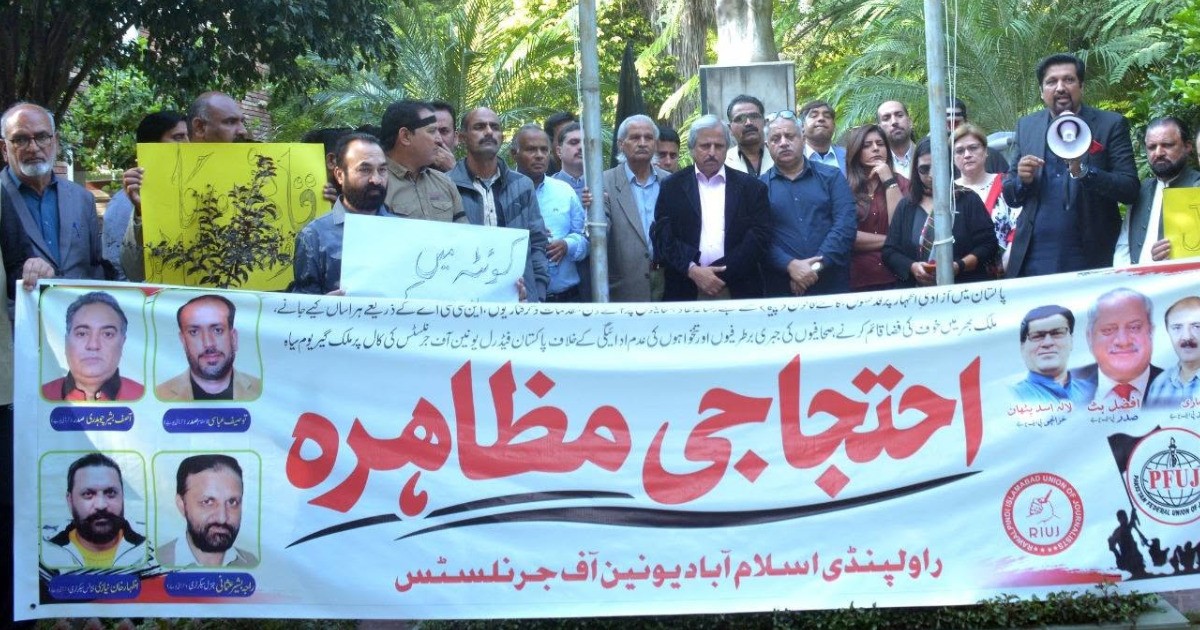
Across Pakistan's smaller cities and districts, local journalism is struggling with shrinking revenues, poorly paid correspondents, declining newspapers, and growing professional risks. The consequences extend beyond journalists themselves, threatening the flow of information about communities that rarely command national attention.
ISLAMABAD — When a district newspaper reduces its pages, a local correspondent stops reporting, or a small-town newsroom closes, the loss rarely becomes national news. Yet these developments can leave entire communities with fewer independent sources of information about the decisions affecting their lives.
Local journalism plays an essential role in reporting on schools, hospitals, municipal services, police, courts and district administrations. But across Pakistan, the conditions needed to sustain this reporting are weakening. JournalismPakistan's earlier investigations and research by media freedom organizations point to five interconnected reasons.
1. Local newspapers are losing their financial foundations
For decades, regional newspapers depended on a combination of circulation, commercial advertising and government advertisements to finance their operations. That traditional model is under increasing pressure.
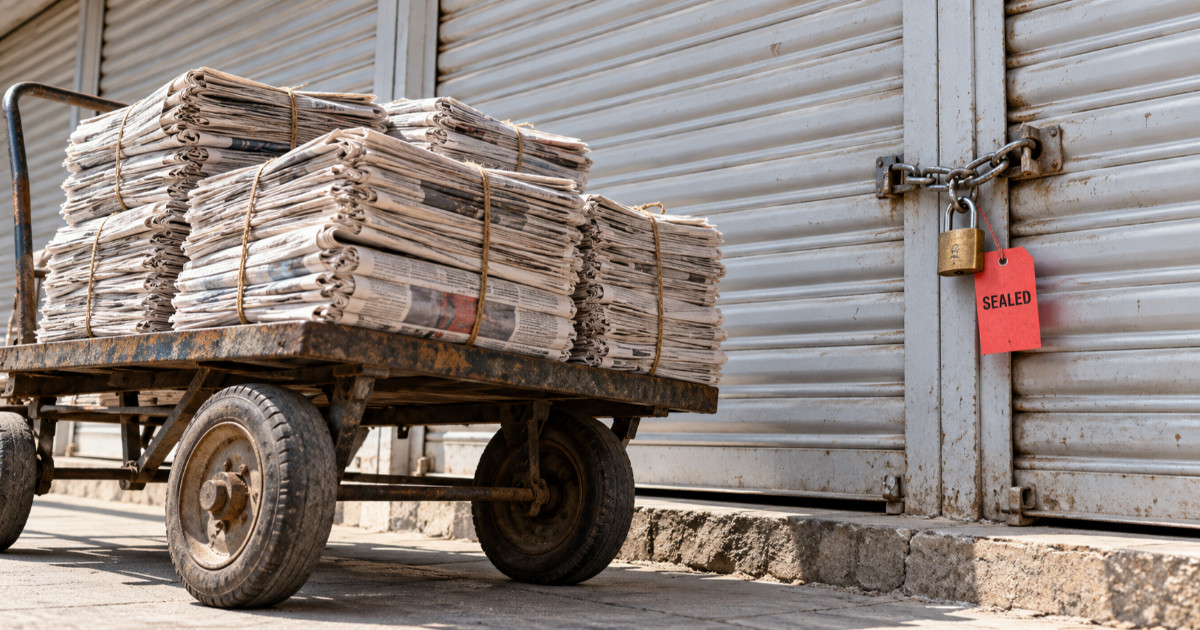
Rising printing and distribution costs, declining circulation and the movement of advertisers toward digital platforms have made small newspapers particularly vulnerable. Unlike larger media organizations, local publications often lack the resources to develop profitable digital operations or absorb prolonged financial losses.
JournalismPakistan reported on March 7, 2026, that regional newspapers were responding to these pressures by reducing pages, cutting staff, and experimenting with print-and-digital publishing models.
The consequences extend beyond the disappearance of printed editions. When a local newspaper loses its financial stability, its ability to employ reporters, investigate public complaints and maintain regular coverage also suffers.
2. District correspondents cannot survive on journalism alone
A major weakness in Pakistan's local media system is the treatment of district correspondents, many of whom work without secure employment arrangements, regular salaries or adequate reimbursement for reporting expenses.
Some journalists must pay for their own travel, telephone calls and other professional costs while covering several beats. Others depend on additional employment or businesses to support their families.
A JournalismPakistan investigation published on July 14, 2026, examined why district journalists in Punjab were increasingly taking second jobs. It documented how delayed payments, insecure employment, and inadequate compensation were undermining local reporting.
Freedom Network's October 2025 studies of journalism in northern and central Punjab also identified unpaid or inadequately compensated district correspondents as a significant problem.
When reporting becomes financially unsustainable, experienced journalists may reduce their assignments or seek alternative livelihoods. Younger people, meanwhile, have fewer incentives to enter the profession.
3. National media increasingly determine what deserves coverage
Pakistan's major news organizations operate primarily from metropolitan centers, where national politics, major government decisions and high-profile controversies dominate editorial agendas.
District correspondents may report on local health facilities, municipal failures, education problems or administrative misconduct, but these stories must compete for limited space and airtime.
The pressure to prioritize stories with national appeal can leave important local issues underreported. A problem affecting thousands of people in one district may attract little attention unless it develops into a major controversy.
This creates a serious gap in public-interest journalism. Communities need regular scrutiny of local institutions, not merely occasional coverage when a disaster, crime, or political confrontation brings them into national headlines.
Digital publishing offers opportunities for smaller communities to tell their own stories, but online visibility alone does not guarantee sustained reporting or editorial accountability.
4. Local journalists face risks without adequate protection
Reporting from smaller towns and rural districts can expose journalists to pressures different from those faced by reporters working in large cities.
A district correspondent investigating corruption, land disputes, criminal activity or local administration may encounter individuals who exercise considerable influence within the same community.
Unlike journalists employed by large news organizations, local correspondents may have limited access to legal assistance, safety training, institutional support or insurance.
Freedom Network's October 2025 research documented harassment, censorship, legal intimidation, and other pressures affecting journalists in Punjab. Its October 2026 impunity report recorded 97 verified cases of attacks and violations involving media practitioners and institutions nationwide between October 2025 and August 2026. The national figure does not establish how many cases involved district journalists specifically.
The Rural Media Network Pakistan has similarly highlighted the vulnerability of regional journalists, particularly those working without formal contracts or adequate institutional protection.
These conditions can discourage journalists from pursuing sensitive stories, weakening independent scrutiny of local power structures.
5. Digital growth has not produced a sustainable replacement
The decline of traditional local newspapers does not mean that communities have stopped consuming news.
WhatsApp groups, Facebook pages, YouTube channels and other digital platforms now circulate information about events that once appeared primarily in district newspapers.
However, distributing information is not the same as maintaining a professional news operation.
Independent reporting requires time, verification, access to records, editorial judgment and financial resources. Many small digital publishers struggle to generate sufficient revenue to support these activities.
Social platforms can also reward speed, sensationalism and audience engagement rather than sustained investigation of local problems.
The challenge is therefore not simply to move local journalism from print to digital platforms. It is to develop viable news organizations capable of employing journalists and consistently reporting on matters of public interest.
What Pakistan stands to lose
The weakening of local journalism has consequences far beyond the media industry.
When fewer reporters attend district council meetings, investigate hospital conditions, question municipal spending or follow court proceedings, public institutions face less regular scrutiny.
National media cannot realistically replace every district correspondent or maintain continuous coverage of thousands of local issues.
The future of local journalism will depend on more sustainable funding, fair employment arrangements, stronger professional protections, and news organizations willing to invest in communities outside the country's major media centers.
For Pakistan, the larger question is not simply whether local newspapers will survive. It is whether communities will continue to have journalists who can independently investigate and report on the institutions responsible for their everyday lives.
ATTRIBUTION: Written by JournalismPakistan staff, based on JournalismPakistan's reporting published March 7 and July 14, 2026, with additional research and context from Freedom Network's northern and central Punjab media assessments (October 28, 2025) and Impunity Report 2026 (October 2026), and Rural Media Network Pakistan's reporting (2026).
Key Points
- Shrinking revenues and reduced advertising have cut resources for district papers.
- Poor pay and irregular income drive local correspondents away from reporting.
- Many district newspapers are reducing pages or shutting, limiting coverage.
- Newsroom closures and staff cuts weaken reporting capacity outside big cities.
- Growing professional risks and safety concerns reduce investigative and watchdog reporting, shrinking community information.
Key Questions & Answers
What is JP FIVE?
JP FIVE is an editorial series by JournalismPakistan that examines key issues in journalism through five concise points, combining research, context and analysis.
Why is local journalism disappearing in Pakistan?
Local journalism is under pressure from shrinking revenues, low pay for correspondents, declining district papers, newsroom closures and rising professional risks.
Who is most affected by the decline?
Residents of smaller cities and districts are most affected, as they lose independent reporting on schools, hospitals, local government and courts.
What are the wider consequences?
The decline reduces public oversight, limits access to information on local services and erodes accountability at district and municipal levels.
Ask AI: Understand this story your way
AI EnabledDig deeper, ask anything — get instant context, background, and clarity.
Disclaimer: This feature is powered by AI and is intended to help readers explore and understand news stories more easily. While we strive for accuracy, AI-generated responses may occasionally be incomplete or reflect limitations in the underlying model. This feature does not represent the editorial views of JournalismPakistan. For our full, verified reporting, please refer to the original article.