
Who is counting Pakistan's journalists?
JournalismPakistan.com | Published: 20 November 2026 | JP Special Report
Join our WhatsApp channel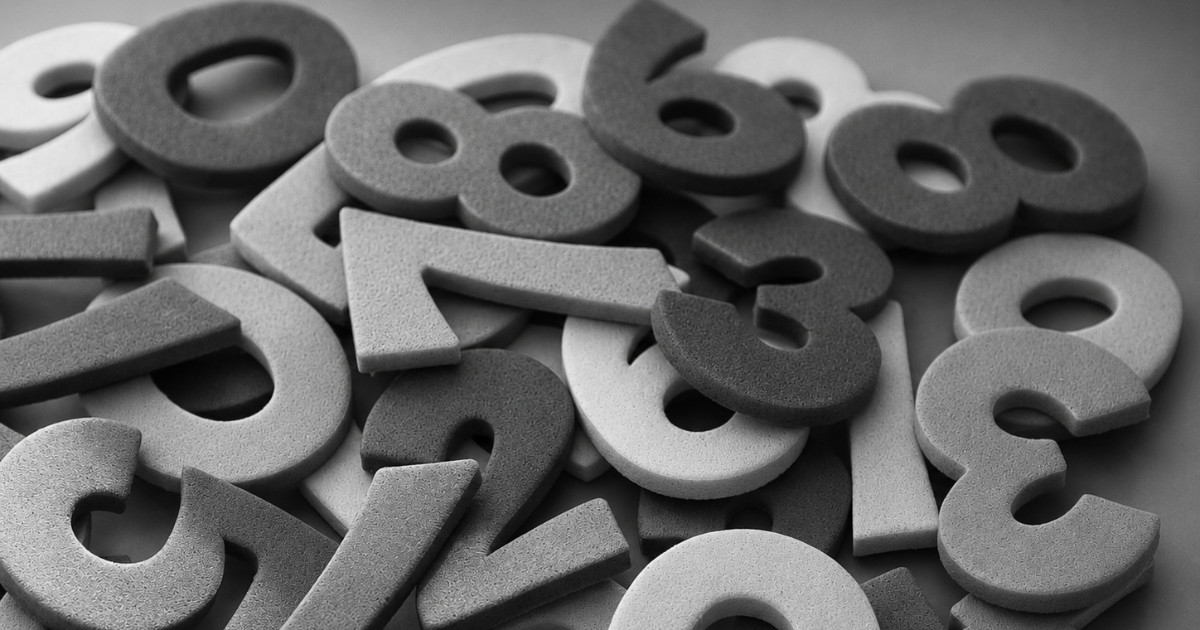
JournalismPakistan examines conflicting estimates of how many journalists work in Pakistan, highlighting discrepancies between trade bodies, international organisations and government welfare records. It outlines effects on representation, protection and policy.Summary
Pakistan has thousands of journalists working across newspapers, television, radio, digital platforms, and small towns. Yet establishing exactly how many there are remains surprisingly difficult. JournalismPakistan examines the competing figures, gaps in professional records, and the implications for journalist welfare and protection.
ISLAMABAD — How many journalists work in Pakistan? Twenty thousand? More? Fewer? It sounds like a straightforward question for a country with an established media industry, numerous press clubs, journalists' unions and government departments responsible for media affairs. Yet finding a reliable, independently verified answer is surprisingly difficult.
The International Federation of Journalists (IFJ) estimated in August 2026 that Pakistan had approximately 20,000 journalists within a wider media workforce of 200,000. The figure offers a useful starting point, but it is an estimate rather than a publicly documented national census. It does not establish precisely how many journalists are currently employed, freelancing, working part-time or reporting without formal institutional recognition.
Different figures, different meanings
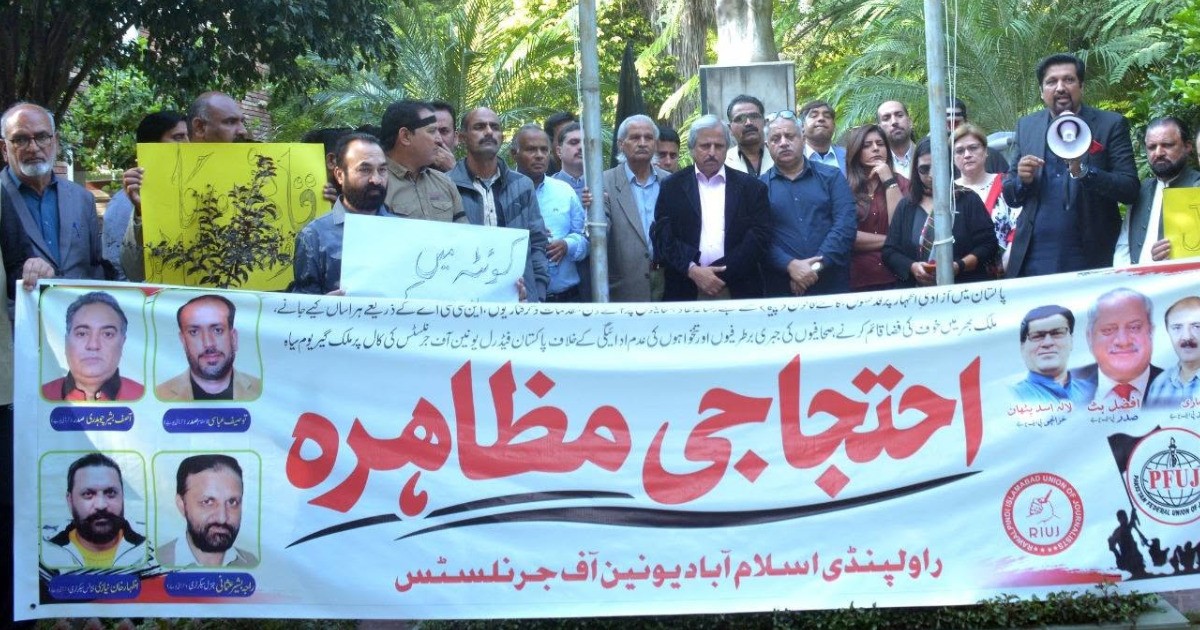
In March 2024, the Pakistan Federal Union of Journalists described itself in a letter to Prime Minister Shehbaz Sharif as representing more than 10,000 working journalists across print, electronic, digital and freelance media. That was a statement about union representation, not a count of every journalist in the country.
Government welfare figures tell another part of the story. On April 7, 2026, JournalismPakistan reported that 4,537 journalists and media workers had been enrolled in the Prime Minister's Health Insurance Program, according to information presented in the National Assembly. Only 187 had accessed benefits. Information Minister Attaullah Tarar outlined plans to expand the scheme to another 10,000 verified journalists and media workers. Those enrollment figures, however, measure participation in a government program, not the size of the profession.
What JournalismPakistan's reporting reveals
JournalismPakistan has repeatedly documented the difficulties confronting journalists whose professional lives fall outside conventional newsroom structures. Its July 14 investigation, Why Punjab's district journalists are working second jobs to survive, by Wajid Ali, examined correspondents who rely on shops, farming, tuition, ride-hailing and other occupations because journalism alone does not provide dependable earnings.
The investigation raised a question directly relevant to any national headcount: should a district correspondent who regularly gathers news but earns most of his income elsewhere be counted as a journalist? Excluding such workers could produce an incomplete picture of local reporting. Including them requires a clear and consistent definition of professional journalistic activity.
JournalismPakistan returned to the issue on November 17 in the first installment of its JP FIVE series, Five reasons local journalism is disappearing in Pakistan. Drawing on its earlier reporting and research from Freedom Network and Rural Media Network Pakistan, the feature examined the shrinking economic base of district journalism and the pressures pushing correspondents away from reporting.
Taken together, these stories illustrate how employment statistics alone can miss journalists who continue to report despite having no regular salary, formal contract, or secure position in a newsroom.
Who qualifies as a journalist?
The question extends beyond numbers to professional recognition. Reporters and editors are readily identified as journalists, but the boundaries become less clear when considering photographers, camerapersons, freelancers, independent digital publishers and other news-gathering professionals.
In its June 5 investigation, Every frame at a cost: The safety crisis facing Pakistan's camerapersons, JournalismPakistan examined the risks confronting camera professionals and the longstanding dispute over their legal recognition. The report by Wajid Alia recalled that PFUJ challenged the exclusion of photojournalists and camerapersons from aspects of the legal definition of journalist before the Islamabad High Court in 2022.
The court proceedings underscored why definitions matter. Recognition can affect access to protections and professional benefits. A national count based on an unduly narrow definition could overlook people directly involved in gathering and documenting news.
Press club membership is not a national census
Press clubs offer another source of potentially valuable data, but their membership lists are not interchangeable with journalist employment records.
A study by Freedom Network and the Women Journalists Association, supported by International Media Support, examined women's representation in press clubs and unions across Pakistan's ten largest cities in early 2025. It recorded 2,970 members at Lahore Press Club, including 300 women, and 3,346 members at Islamabad's National Press Club, including 250 women.
These figures are useful for examining representation within professional bodies. They do not establish how many journalists are working nationally, particularly among individuals who are not press club members. Adding membership totals without checking for overlapping memberships or different admission criteria would also risk double-counting.
The missing women and independent journalists
The same Freedom Network research revealed substantial differences in women's representation across press clubs and unions. Gujranwala Press Club reported no women members in the sample, while women accounted for only a small share of membership at two of the largest clubs.
Such disparities raise questions about the reliability of professional membership as a measure of the wider workforce. A journalist can be active in the profession without belonging to a particular club or union, and the absence of membership does not necessarily establish an absence of journalists.
Digital journalism further complicates the picture. Independent news websites, online-only reporters, investigative freelancers, and journalists producing original reporting for social platforms do not necessarily fit traditional employment or accreditation models. At the same time, not everyone publishing commentary or news-related content online is necessarily practicing journalism.
Any credible count would therefore need to distinguish sustained news-gathering and editorial work from general online content creation without excluding journalists simply because they lack conventional employment arrangements.
Why the numbers matter
This is more than a statistical curiosity. Journalist numbers influence decisions about welfare funding, health insurance, professional training, representation, safety measures and public policy.
In its October 30 report, Journalists' health insurance scheme to be relaunched, JournalismPakistan documented a government announcement that the insurance program would return in an improved form. Federal Information Secretary Ashfaq Ahmed Khalil, however, provided no definite launch date or revised coverage details in the October 29 announcement.
The development reinforced an important concern: before expanding welfare provisions, authorities need a dependable understanding of the population they intend to serve, including journalists who may be absent from existing registration systems.
A reliable count would also provide context for assessing job losses and other pressures across the industry. Without a consistent baseline, it is difficult to establish what proportion of the journalism workforce has been affected by layoffs, financial instability or changing employment practices.
Who should count Pakistan's journalists?
A credible national exercise would require cooperation among the Press Information Department, provincial information departments, journalists' unions, press clubs, employers, independent media associations and research organizations.
It would need transparent criteria distinguishing journalists from the wider media workforce, while identifying freelancers, digital journalists, district correspondents, photographers and camerapersons. Separate figures for employment status, gender, region and medium would make the results more informative.
Such an exercise would also have to safeguard personal information. In a country where journalists face threats, surveillance concerns and legal pressure, a professional census should not become a mechanism for restricting who is entitled to report.
Pakistan has organizations representing journalists, institutions regulating media outlets and systems for registering eligible professionals for government benefits. What is not established by the available figures is a comprehensive, current, and publicly verifiable count of everyone practicing journalism.
Seventeen years of JournalismPakistan's coverage have documented a profession under pressure from layoffs, unpaid salaries, legal action, physical threats, and the decline of local reporting. Yet one of its most basic questions remains inadequately answered.
Pakistan knows that it has thousands of journalists. It still needs to establish, through a credible and inclusive count, exactly how many there are.
ATTRIBUTION: Original research and analysis by JournalismPakistan, drawing on its reporting published April 7, June 5, July 14, October 30 and November 17, 2026. Additional evidence: International Federation of Journalists, August 3, 2026; Pakistan Federal Union of Journalists, March 15, 2024; Freedom Network and Women Journalists Association research published in the Freedom Network 2025 media freedom report. JournalismPakistan acknowledges the original reporting of Wajid Ali and research by the named organizations.
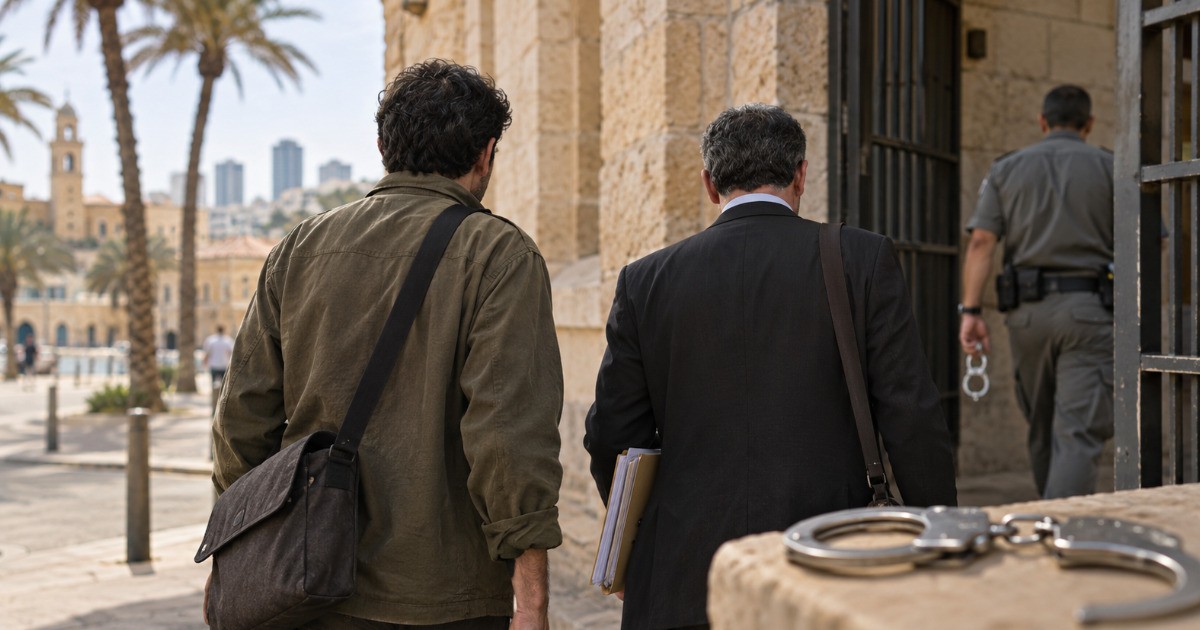
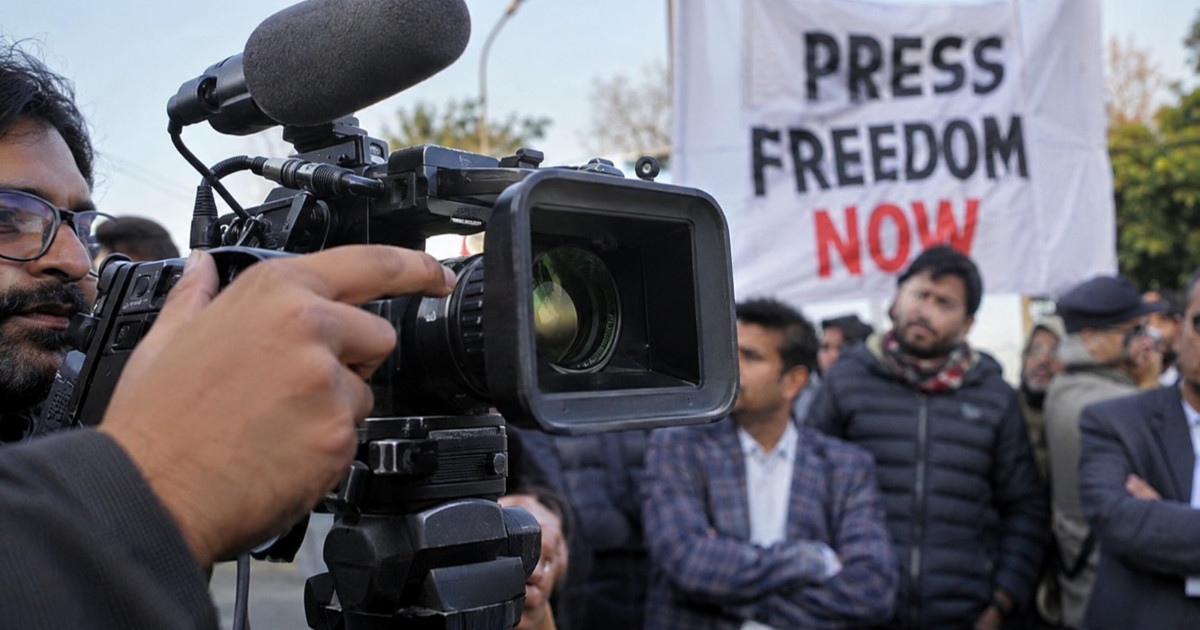
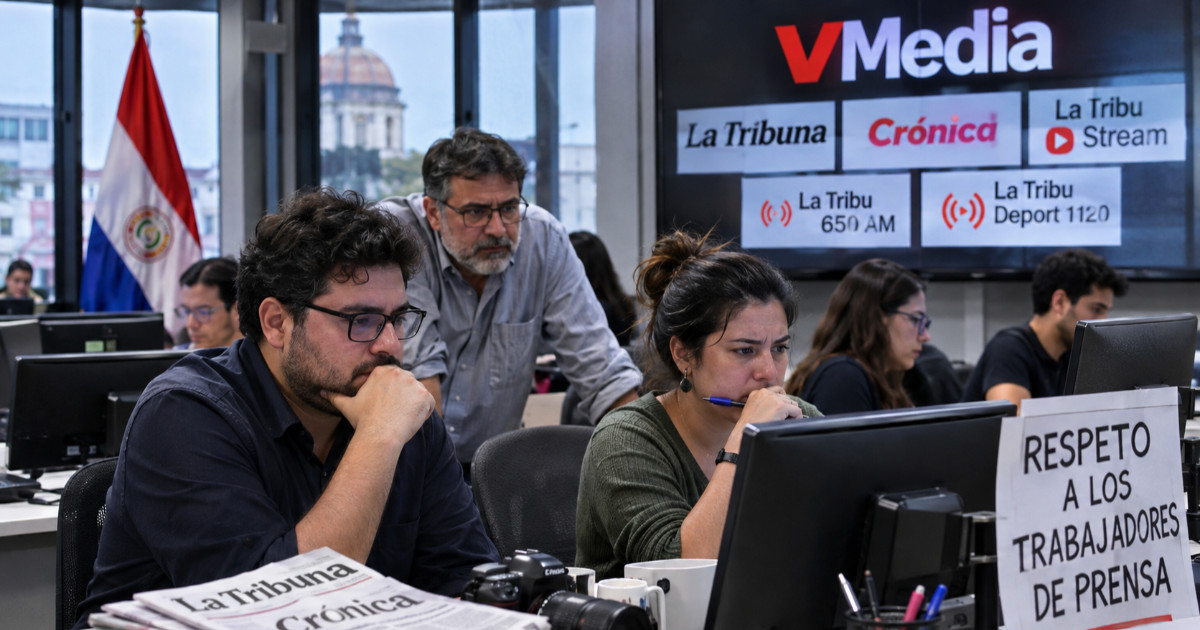
PHOTO: Competing estimates and incomplete records leave the exact number of working journalists in Pakistan uncertain. (Illustrative photo by Alicja_ from Pixabay)
Key Points
- Estimates vary: IFJ suggested about 20,000 journalists while PFUJ has cited over 10,000 members, reflecting different scopes.
- There is no single, publicly verified national registry distinguishing full-time, freelance or part-time journalists.
- Government welfare and press club records offer partial figures but show inconsistencies and gaps.
- Unclear counts hinder targeted welfare, safety measures and accurate policy planning for media workers.
- Improved data collection or a national census of media workers is needed to strengthen protection and representation.
Key Questions & Answers
How many journalists are there in Pakistan?
There is no definitive public count; estimates differ-international bodies and unions give figures such as about 20,000 or over 10,000 depending on scope and criteria.
Why do the numbers vary so much?
Figures differ because organisations count different categories (full-time, freelance, digital), use different data sources, and there is no unified national registry.
Which organisations provide these estimates?
Estimates come from groups like the International Federation of Journalists (IFJ), the Pakistan Federal Union of Journalists (PFUJ), press clubs and government welfare departments.
Why does an accurate count matter?
Reliable data is important for designing welfare programs, ensuring safety protections, representing journalists' interests and informing media policy decisions.
Relevant Topics
Ask AI: Understand this story your way
AI EnabledDig deeper, ask anything — get instant context, background, and clarity.
Disclaimer: This feature is powered by AI and is intended to help readers explore and understand news stories more easily. While we strive for accuracy, AI-generated responses may occasionally be incomplete or reflect limitations in the underlying model. This feature does not represent the editorial views of JournalismPakistan. For our full, verified reporting, please refer to the original article.