

Nasir Zaidi: From the lashes of dictatorship to HRCP leadership
JournalismPakistan.com | Published: 16 November 2026 | JP Staff Report
Join our WhatsApp channel
Nasir Zaidi, a veteran journalist once punished by flogging under General Zia for opposing military censorship, has been elected chairperson of the Human Rights Commission of Pakistan. It highlights his long record defending press freedom and civil rights.Summary
Nearly five decades after being flogged for resisting military censorship, veteran journalist Nasir Zaidi has been elected chairperson of the Human Rights Commission of Pakistan. His journey from the prison cells of General Ziaul Haq's dictatorship to the leadership of a national rights organisation reflects a lifetime spent defending freedom of expression, civil liberties and the dignity of those who refuse to be silenced.
ISLAMABAD — In May 1978, Nasir Zaidi was a journalist standing against a military dictator. He was arrested, sentenced by a military court, and flogged for demanding press freedom. Nearly half a century later, the same journalist has been elected chairperson of the Human Rights Commission of Pakistan (HRCP), an institution whose work embodies many of the freedoms he spent his life defending.
The election, announced by HRCP on November 16, 2026, marks another chapter in an extraordinary journey through Pakistan's turbulent history of censorship, political repression and the struggle for democratic rights. For Zaidi, the chairmanship represents more than recognition of a distinguished career. It brings to the forefront of the country's human rights movement a man who personally experienced the brutality of state repression and never abandoned his commitment to resisting it.
The day the dictatorship used the whip
On May 13, 1978, Zaidi was among four journalists who courted arrest during protests against General Ziaul Haq's military regime. The protests followed the closure of the newspaper Musawaat and formed part of a wider movement organised by the Pakistan Federal Union of Journalists (PFUJ) and the All-Pakistan Newspapers Employees Confederation (APNEC).
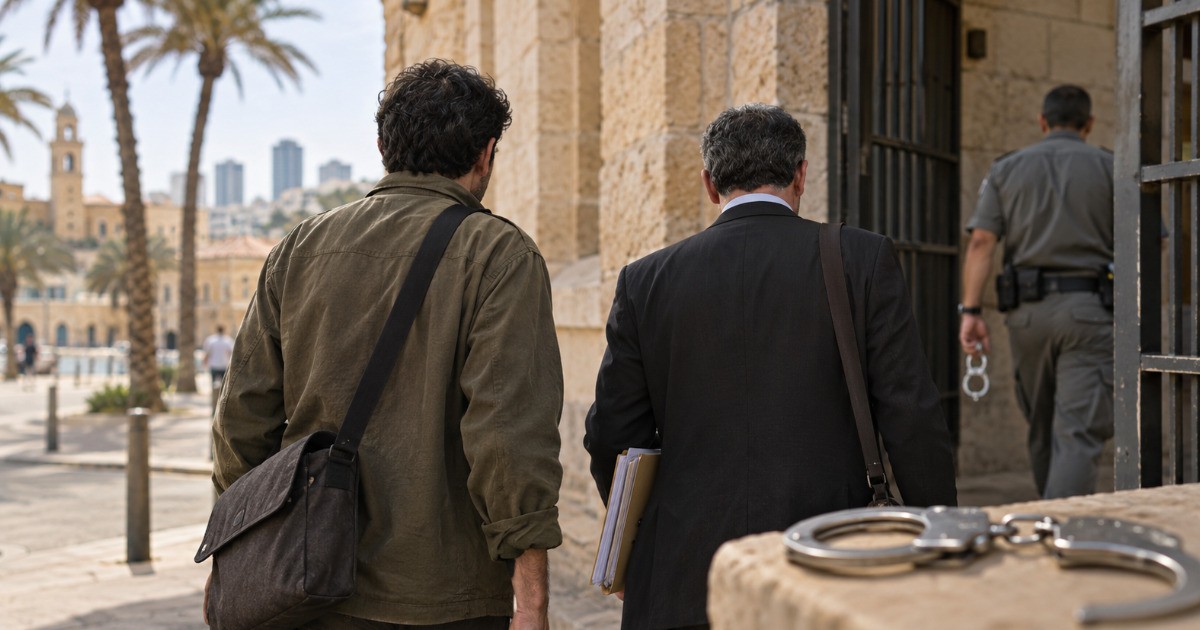
Zaidi, Masood Ullah Khan, Iqbal Jafari and Khawar Naeem Hashmi were taken into custody and brought before a summary military court. The proceedings were swift, and the punishment severe. Three of the journalists, including Zaidi, were subjected to flogging at Lahore's Kot Lakhpat Jail. Masood Ullah Khan was spared the physical punishment on medical grounds. The episode became one of the defining moments in Pakistan's struggle for press freedom.
A spirit the authorities could not break
JournalismPakistan documented Zaidi's ordeal in a feature written by Steve Manuel and first published in May 2011, titled Nasir Zaidi and his group: They stood up to a dictator. The account described how the journalists were taken away in chains, subjected to military proceedings, and punished for challenging the regime's restrictions on the press.
Zaidi's response after the flogging captured the determination that would define his public life.
"After the sentence was carried out, I was given the option of being taken out on a stretcher but I rejected it, preferring to show my captors that my spirit could not be broken."
The account also recalled how the journalists were taken to hospital in chains and restrained to their beds. Their persecution attracted international attention, and Amnesty International recognised them as prisoners of conscience.
The significance of that resistance extended far beyond the physical punishment. It demonstrated that journalists, acting collectively, were prepared to sacrifice their personal freedom rather than accept the military's authority to decide what the public could read or know.
Decades of resistance and union leadership
Zaidi's activism did not end with the restoration of civilian governments. Over the decades, he remained associated with journalists' unions, press clubs and campaigns against censorship and restrictions on freedom of expression.
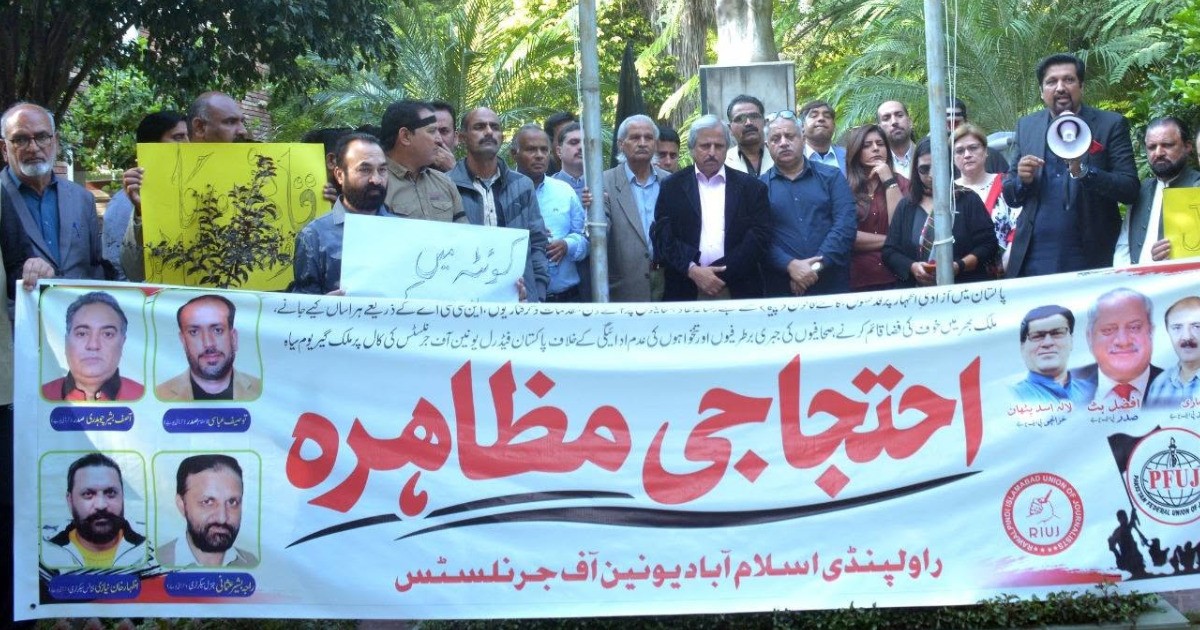
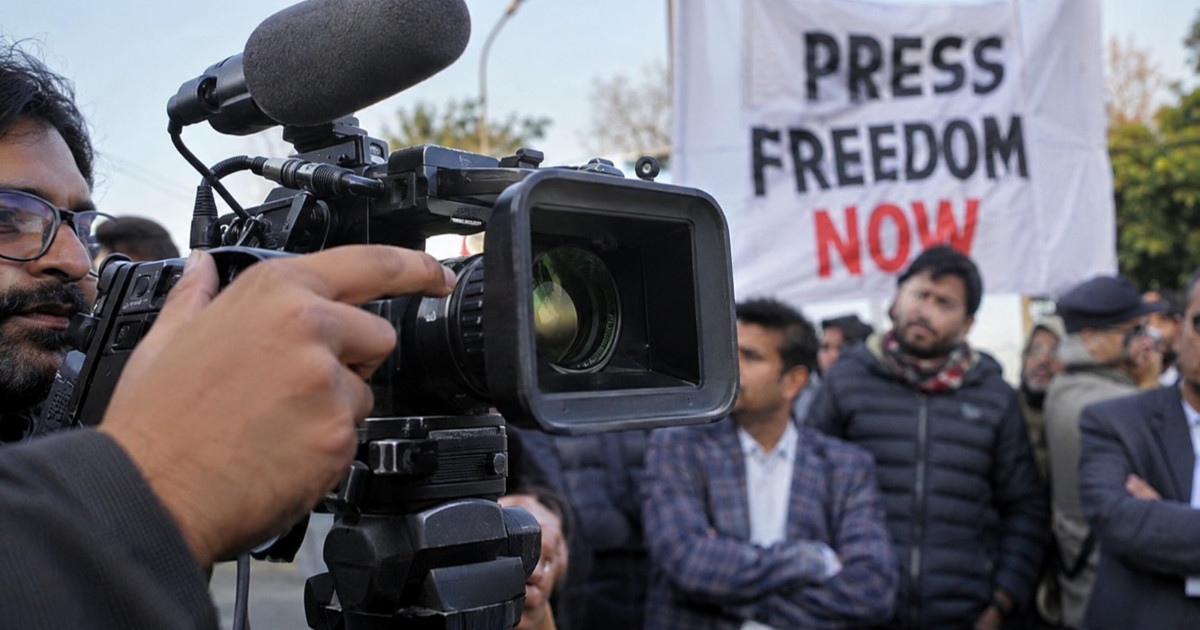
In July 2019, more than four decades after his flogging, he was again at the forefront of protests. As journalists demonstrated across Pakistan against censorship, job losses and unpaid salaries, Zaidi led a protest in Islamabad carrying a black flag. The image represented a remarkable continuity: a journalist punished for opposing censorship in 1978 was still demanding media freedom and economic justice in a vastly different media landscape.
On November 30, 2019, he was elected secretary-general of the PFUJ, with Shahzada Zulfiqar becoming president. JournalismPakistan reported the election at the time, recording another important milestone in Zaidi's long association with the trade union movement.
Under the newly elected leadership, the PFUJ announced that 2020 would be observed as the year of press freedom and protection of media workers' economic rights. The union's agenda linked freedom of expression with the everyday struggles of journalists facing job insecurity, dismissal and unpaid wages.
For Zaidi, these were not separate causes. The right to report independently and the right to work with dignity belonged to the same broader struggle against exploitation and arbitrary authority.
Recognition for a lifetime of courage
In April 2024, Zaidi received the Ahfaz-ur-Rahman Award for Courage and Freedom of Expression at the Arts Council of Pakistan in Karachi. The honour recognised his long-standing contribution to press freedom and civil liberties.
The award carried particular significance because Ahfaz-ur-Rahman was himself a prominent journalist, writer and trade union activist associated with resistance to censorship and authoritarianism.
At the ceremony, Zaidi dedicated the recognition to journalists, activists and underprivileged people continuing to struggle for freedom of expression. His remarks reinforced the connection between journalism and the broader fight for human dignity that has characterised his activism.
From press freedom to human rights leadership
HRCP's announcement on November 16 confirmed that its general body had elected a 31-member council for the 2026–29 term. The council subsequently elected Zaidi chairperson.
Journalist and anchor Munizae Jahangir was elected co-chairperson, while academic and artist Professor Salima Hashmi became treasurer.
Five vice-chairs were also elected: Justice (Retd) Zahoor Shahwani for Balochistan, lawyer Zegar Sher for Khyber Pakhtunkhwa, women's rights activist Uzma Noorani for Sindh, labour leader Hanif Ramay for Punjab and human rights defender Sadia Bokhari for Islamabad.
Zaidi's election places a veteran of the journalists' rights movement at the head of an organisation concerned with a much wider spectrum of civil liberties, including freedom of expression, democratic accountability, protection against arbitrary detention and the rights of vulnerable communities.
His experience is especially relevant because the principles underlying press freedom are inseparable from those governing broader human rights. The arbitrary arrest of a reporter, the silencing of a political opponent and the persecution of an activist all raise fundamental questions about the limits of state power.
A struggle that has not ended
Pakistan's media environment has changed dramatically since the days when military censors examined newspaper pages and ordered editors to remove material considered unacceptable.
The threats have also changed. Journalists now face legal proceedings, online harassment, digital restrictions, economic pressure and uncertainty over the future of independent news organisations. Yet the underlying question remains familiar: how far can the state or other powerful interests go in restricting the public's right to information?
Zaidi's career offers an important historical perspective on these challenges. His generation confronted censorship through organised resistance, collective bargaining, demonstrations and personal sacrifice. The methods of suppression have evolved, but the need for independent institutions and defenders of fundamental rights has not diminished.
As HRCP chairperson, Zaidi inherits responsibilities extending beyond the profession that shaped his public life. His task will involve defending the rights of people who may have neither the visibility of journalists nor the organisational strength of established unions.
It is a formidable responsibility at a time when constitutional protections, the rule of law and the treatment of vulnerable citizens remain central concerns in Pakistan.
Nearly five decades ago, the authorities attempted to break a young journalist's resistance with a whip. Today, that journalist leads one of the country's most prominent human rights organisations.
His election does not mean the struggles of 1978 have been won. It is a reminder that those struggles endure, and that the people who paid a personal price for defending freedom still have a role in shaping its future.
ATTRIBUTION: Analysis by JournalismPakistan. JournalismPakistan's original reporting by Steve Manuel, first published in May 2011, documenting Nasir Zaidi's resistance to General Ziaul Haq's dictatorship; JournalismPakistan's coverage of his election as PFUJ secretary-general, November 30, 2019; Human Rights Commission of Pakistan (HRCP) announcement, November 16, 2026. Additional historical context from Dawn, July 17 and December 30, 2019, and April 22, 2024.
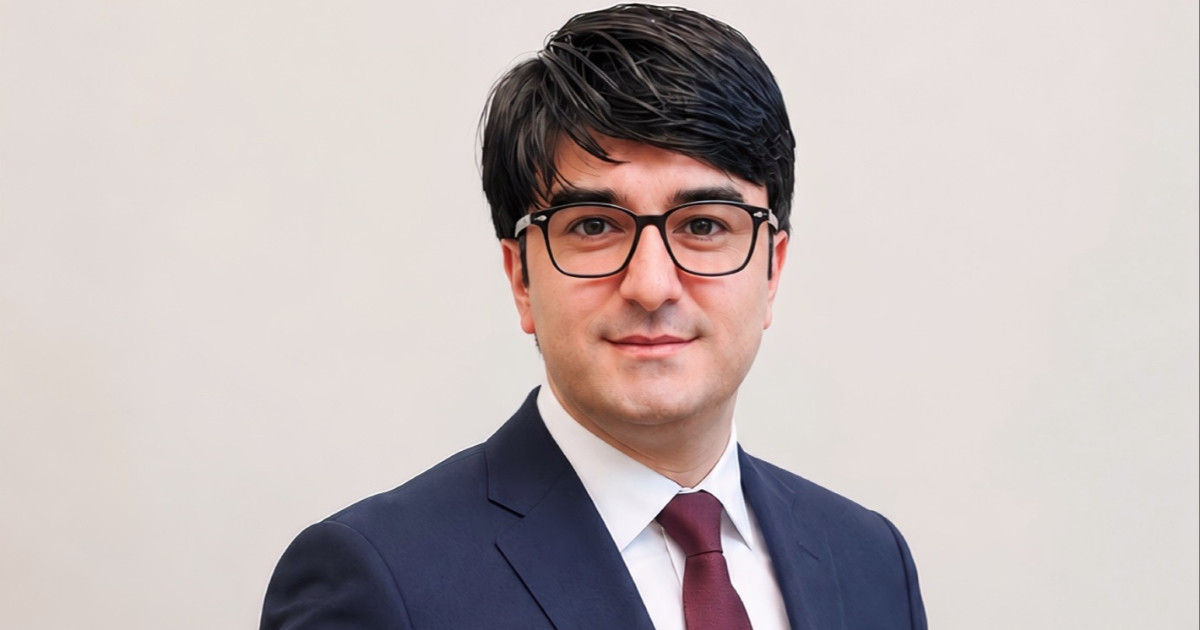
PHOTO: Nasir Zaidi (Facebook)
Key Points
- Nasir Zaidi elected chairperson of the Human Rights Commission of Pakistan.
- He was flogged in May 1978 after arrest under General Zia's military regime for resisting censorship.
- Zaidi has spent decades defending press freedom and civil liberties.
- His leadership brings personal experience of state repression to a national rights body.
- The election was announced by HRCP on November 16, 2026.
Key Questions & Answers
Who is Nasir Zaidi?
Nasir Zaidi is a veteran Pakistani journalist and activist who has long campaigned for press freedom and civil liberties and has been elected chairperson of the Human Rights Commission of Pakistan.
Why was he flogged during General Zia's rule?
Zaidi was arrested during protests in May 1978 and sentenced by a military court; he was flogged for opposing military censorship and demanding press freedom.
When was he elected HRCP chairperson?
The Human Rights Commission of Pakistan announced his election on November 16, 2026.
What does his election mean for human rights work in Pakistan?
His election brings a leader with firsthand experience of state repression to HRCP, reinforcing the organisation's focus on press freedom, civil liberties and accountability.
Relevant Topics
Ask AI: Understand this story your way
AI EnabledDig deeper, ask anything — get instant context, background, and clarity.
Disclaimer: This feature is powered by AI and is intended to help readers explore and understand news stories more easily. While we strive for accuracy, AI-generated responses may occasionally be incomplete or reflect limitations in the underlying model. This feature does not represent the editorial views of JournalismPakistan. For our full, verified reporting, please refer to the original article.