
.png)
Nepal journalists oppose proposed Press Council amendments
JournalismPakistan.com | Published: 18 November 2026 | JP Asia Desk
Join our WhatsApp channel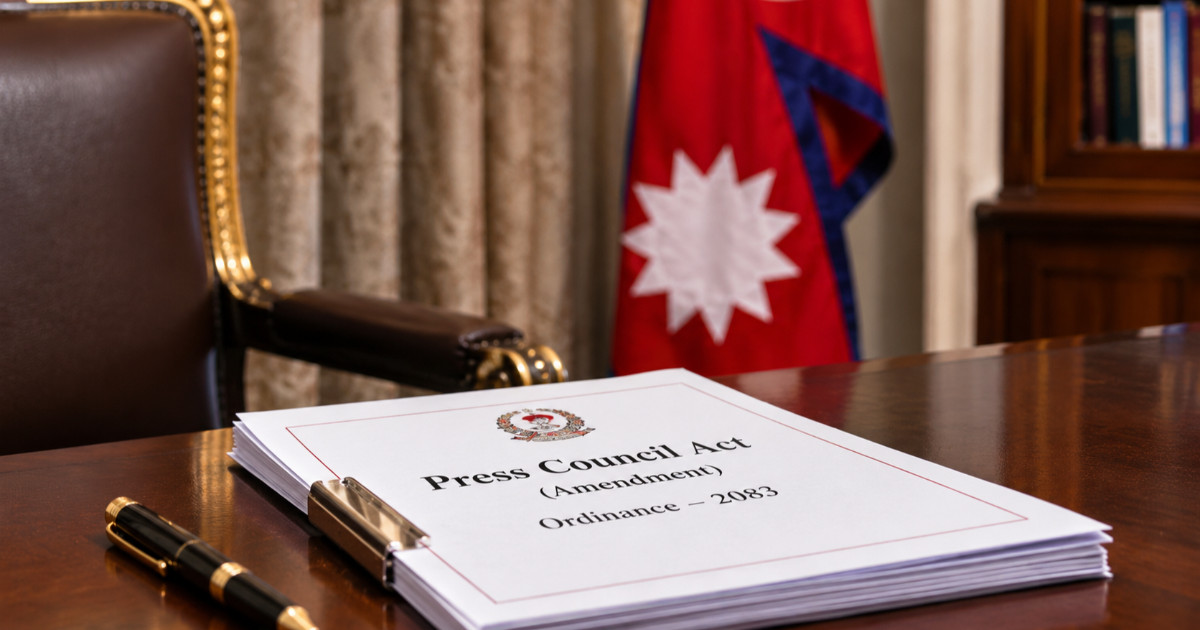
Journalists' organizations in Nepal have opposed proposed amendments to the Press Council Act that would broaden definitions to include social media and digital platforms, allow the council to investigate without complaints and extend oversight to foreign journalists. The IFJ condemned the government's decision to forward the proposal without consulting media stakeholders.Summary
KATHMANDU — Journalists' organizations in Nepal have intensified opposition to proposed amendments to the Press Council Act, warning that the changes could expand regulatory oversight of online journalism and undermine press freedom.
The International Federation of Journalists (IFJ) on November 18 condemned the government's decision to recommend the ordinance without consulting media stakeholders. The proposal was forwarded to President Ram Chandra Paudel following a Cabinet decision on November 3, but there has been no confirmed announcement that it has been promulgated.
Wider powers over online journalism
The proposed Press Council (First Amendment) Ordinance 2083 would broaden the definitions of media, journalism and journalists to include journalistic content published through social media and other digital platforms. Online news organizations and creators producing journalistic material would fall within the council's code of conduct and complaint procedures.
The amendments would also extend oversight to foreign journalists working for international news organizations and independent foreign journalists operating in Nepal. According to the IFJ, the council would gain the authority to initiate investigations without receiving a public complaint and monitor media organizations' social media activities.
Concerns over regulatory independence
The proposed expansion has raised concerns about the independence of media regulation. Although the Press Council is an autonomous body, its appointments are linked to the government, creating questions about how its additional powers might be exercised.
Nepali media reports have also identified provisions allowing the council to recommend the suspension of state facilities for repeated violations and prescribe how corrections must be published or broadcast. Critics fear that such measures could increase pressure on independent publishers, particularly smaller digital news organizations.
Journalists challenge ordinance
The Federation of Nepali Journalists (FNJ) has questioned the government's decision to pursue an ordinance while a separate Media Council Bill was being considered through the parliamentary process.
On November 6, a delegation led by FNJ President Nirmala Sharma met President Paudel and urged him not to issue the ordinance. The federation argued that bypassing parliamentary debate and consultation on legislation affecting journalism was inconsistent with democratic principles and constitutional protections for press freedom.
The FNJ also called for the withdrawal of the proposal and demanded that any amendments be developed through discussions with journalists, media organizations and other stakeholders.
Protest programme announced
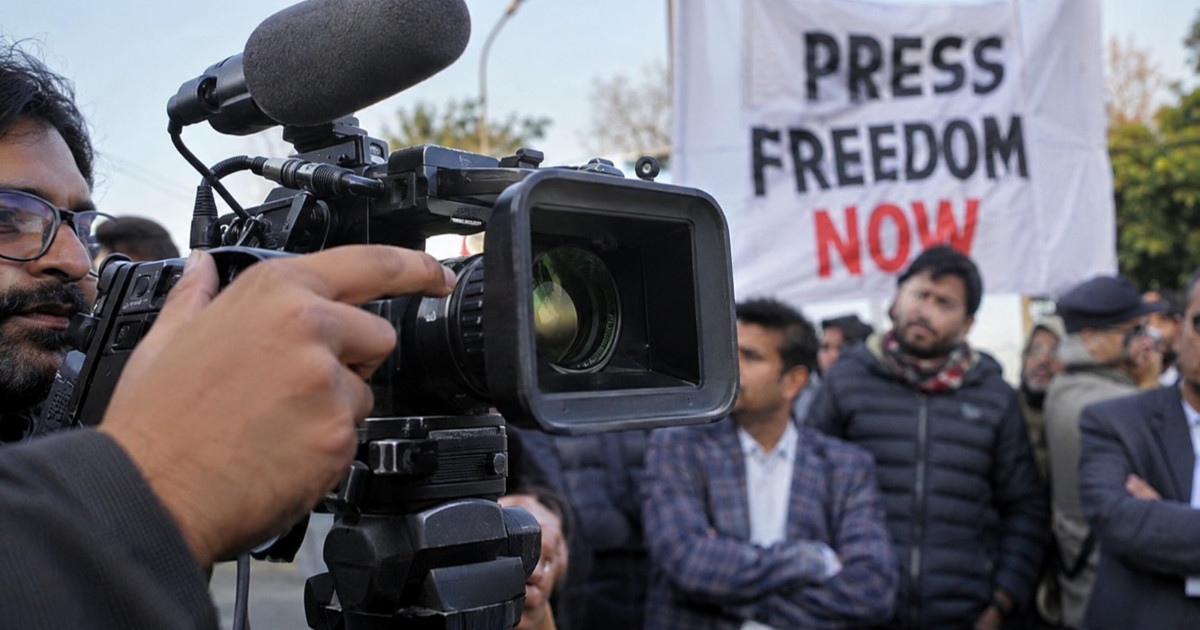
Opposition has since developed into organized action. On November 17, the FNJ announced a phased protest programme addressing the ordinance, police actions against journalists and continuing violations of media workers' labour rights.
The federation scheduled a memorandum to the prime minister for November 18, followed by representations to parliamentary political parties on November 21, discussions with professional organizations and district-level gatherings on November 25. The announcement warned that further protests could follow if its demands were not addressed.
Police actions deepen concerns
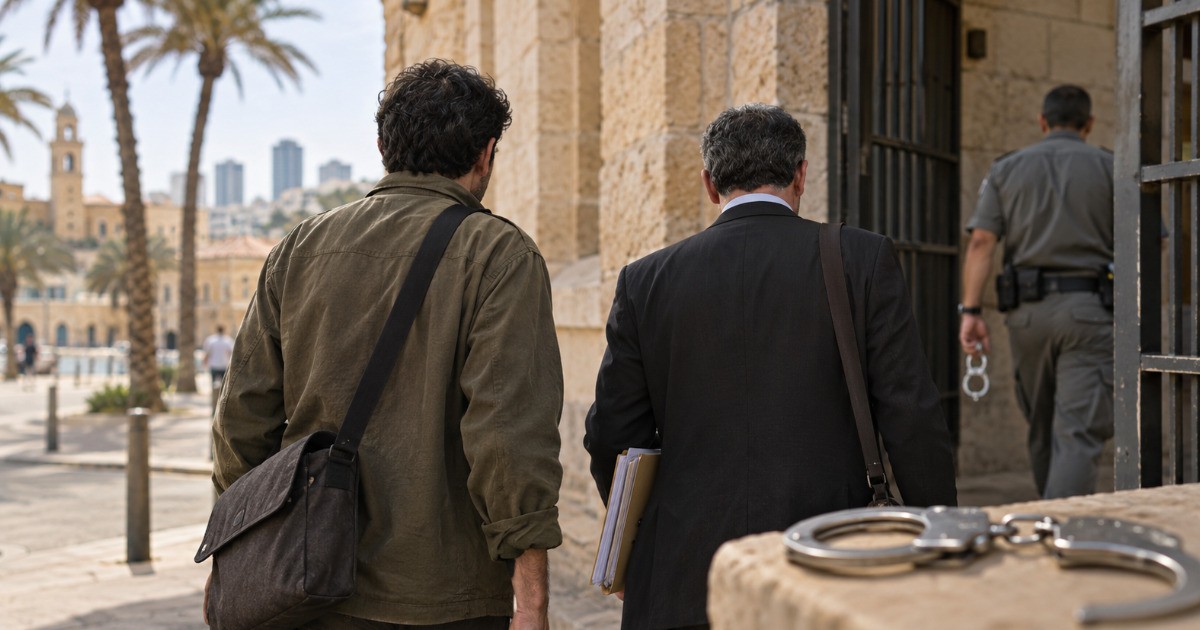
The dispute comes against a backdrop of recent police actions involving journalists. On October 30, plainclothes officers reportedly entered media offices in Kathmandu without warrants and detained three journalists for questioning.
The IFJ identified them as Bishwamani Subedi of Nepal Press, Motive News editor Shobharaj Baral, and DNA Khabar editor Dhiraj Basnet. All three were subsequently released.
The FNJ has demanded an independent investigation into police entry into newsrooms and alleged mistreatment of journalists.
The IFJ said expanding the Press Council's authority without meaningful consultation threatened freedom of expression and urged the authorities to address journalists' concerns before proceeding.
The dispute now centres on whether Nepal's government will reconsider the proposed regulations or pursue changes despite opposition from journalist organizations. The president's decision on the ordinance remains a key unresolved question.
ATTRIBUTION: International Federation of Journalists, November 18, 2026; Federation of Nepali Journalists, November 6 and 17, 2026; People's Review, November 14, 2026.
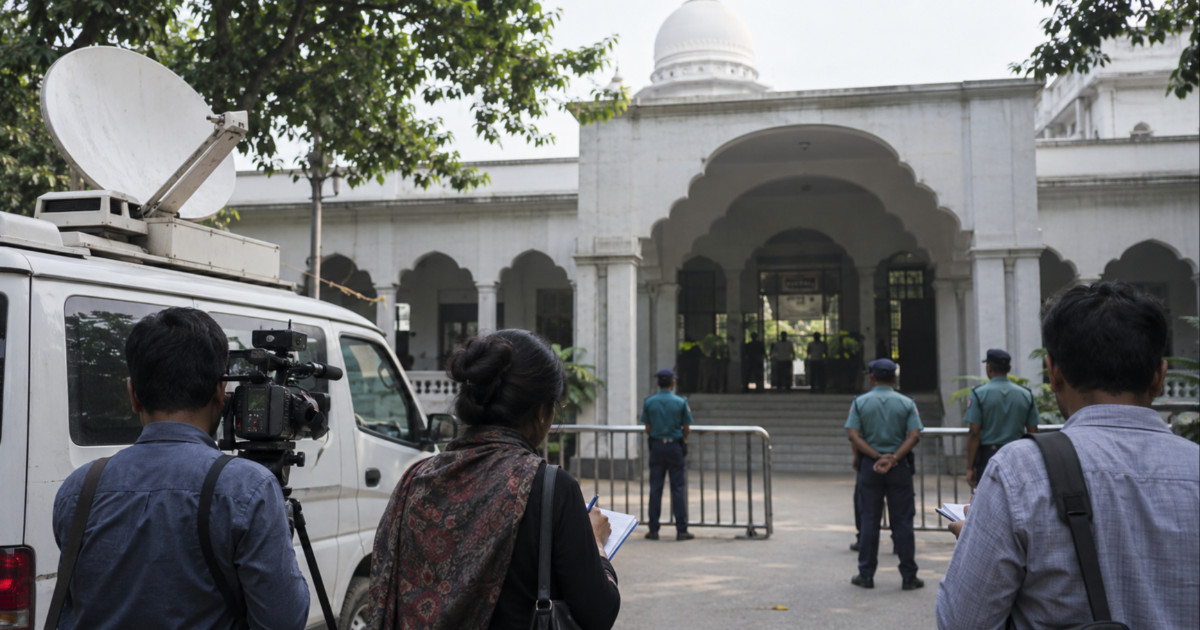
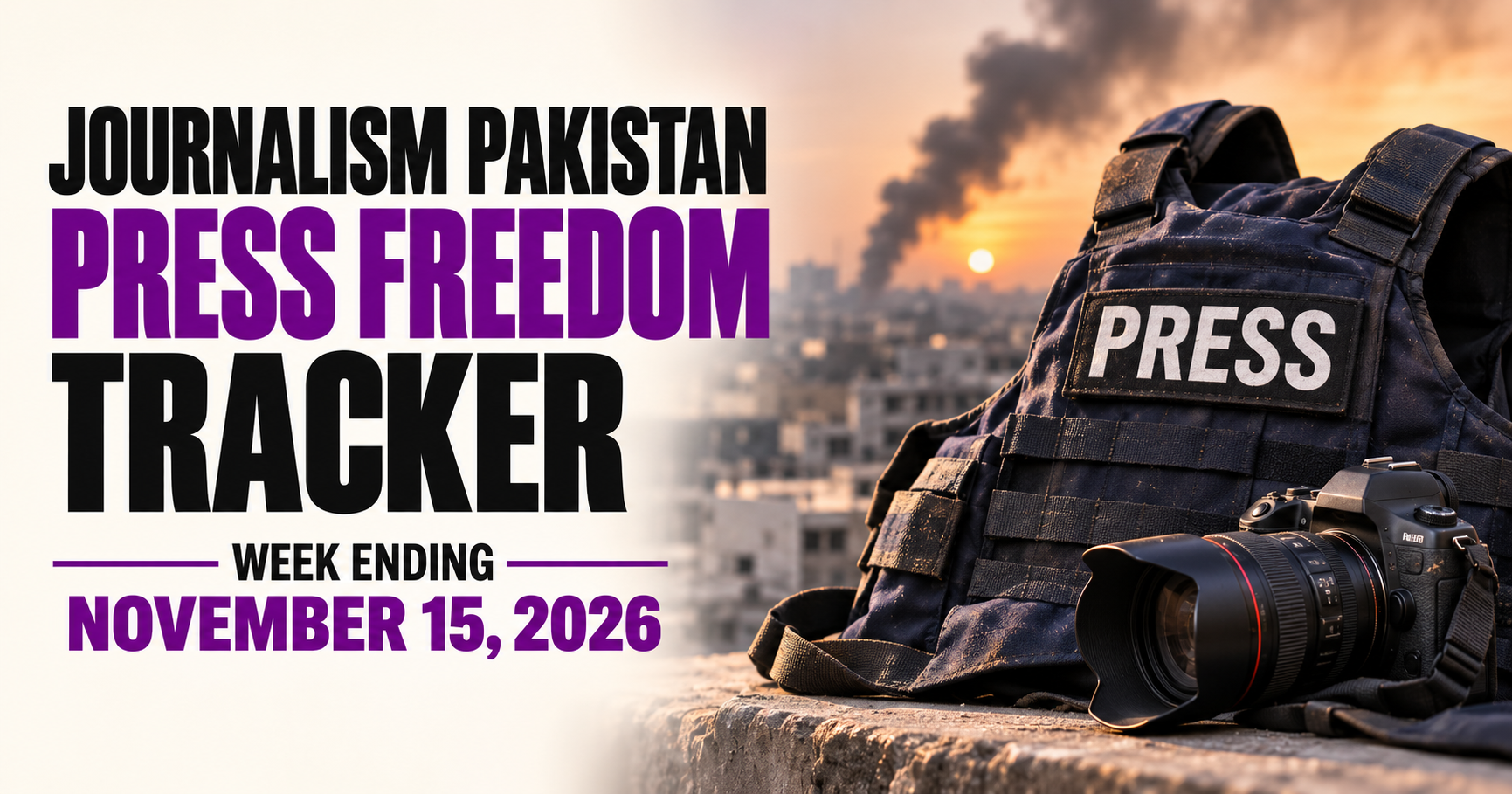
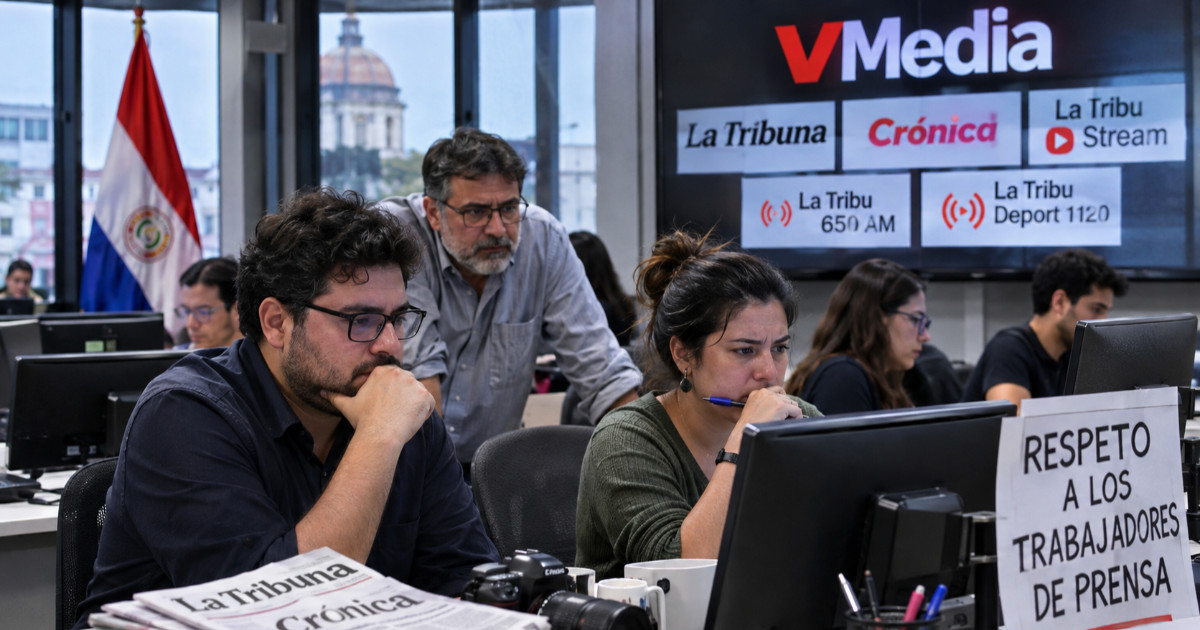
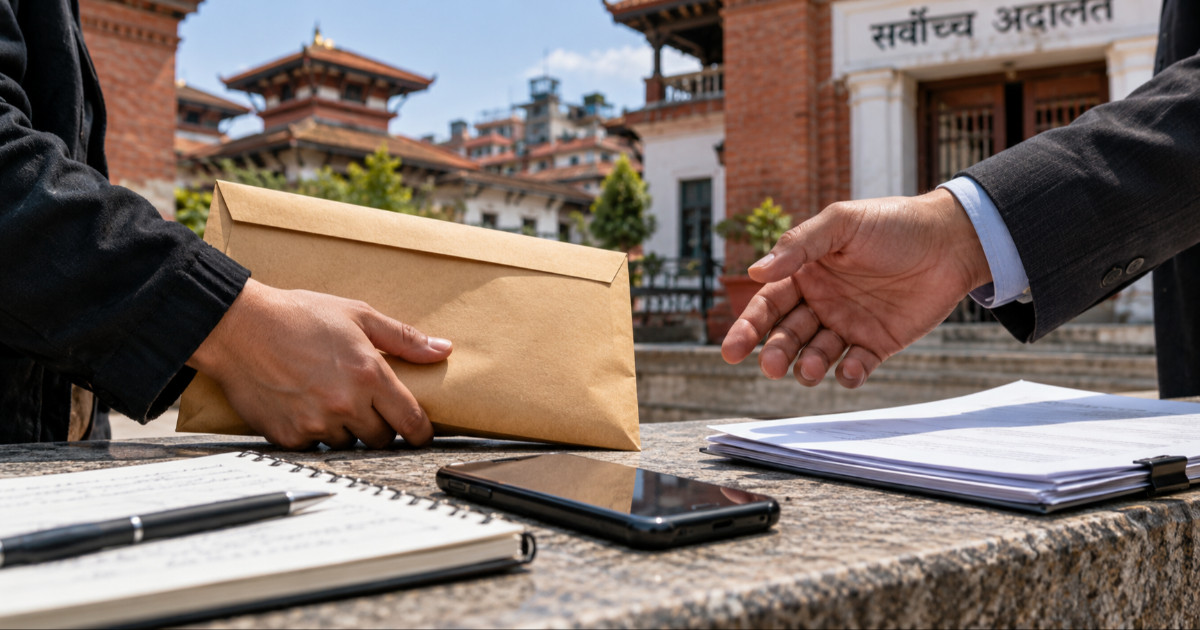
PHOTO: AI-generated; for illustrative purposes only.
Key Points
- Proposed Press Council (First Amendment) Ordinance would expand media and journalist definitions to include social media and digital platforms.
- Online news outlets and creators producing journalistic content would fall under the council's code of conduct and complaint procedures.
- The amendments would extend oversight to foreign journalists and allow the council to initiate investigations without a public complaint.
- The IFJ condemned the move, criticizing the government for forwarding the ordinance without consulting media stakeholders.
- Concerns were raised about regulatory independence, given the Press Council's appointments are linked to the government.
Key Questions & Answers
What changes do the proposed amendments make?
The amendments broaden definitions of media, journalism and journalists to include social media and digital platforms, extend oversight to foreign reporters, and allow the council to investigate without a public complaint.
Why are journalists opposing the ordinance?
Journalists and their organizations say the changes could expand regulatory control over online content, jeopardize press freedom and weaken the independence of media regulation.
What has the IFJ said about the proposal?
The International Federation of Journalists condemned the government's decision to forward the ordinance without consulting media stakeholders and warned of threats to media freedom.
What are the next steps for the ordinance?
The proposal was forwarded to the president after a Cabinet decision; there has been no confirmed announcement of promulgation, and media groups continue to press for consultation and revision.
Relevant Topics
Ask AI: Understand this story your way
AI EnabledDig deeper, ask anything — get instant context, background, and clarity.
Disclaimer: This feature is powered by AI and is intended to help readers explore and understand news stories more easily. While we strive for accuracy, AI-generated responses may occasionally be incomplete or reflect limitations in the underlying model. This feature does not represent the editorial views of JournalismPakistan. For our full, verified reporting, please refer to the original article.