.png)
China bars Bloomberg journalist from Trump-Xi-Putin meeting
JournalismPakistan.com | Published: 20 November 2026 | JP Asia Desk
Join our WhatsApp channel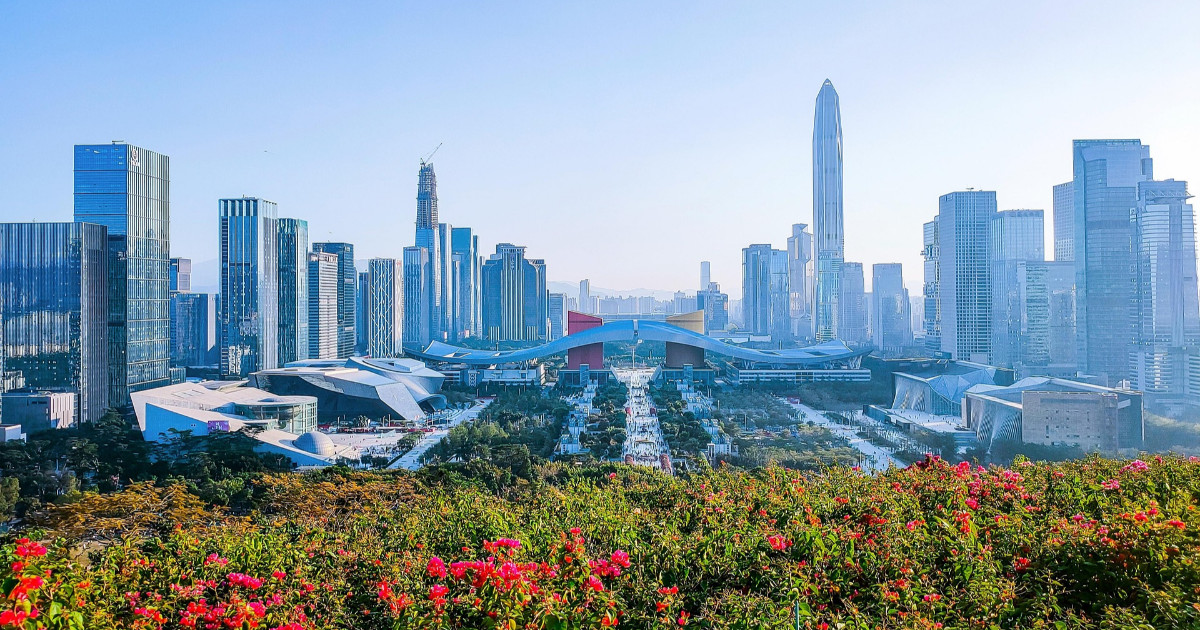
Chinese officials barred Bloomberg journalist Annmarie Hordern from a trilateral meeting in Shenzhen after she shouted a question during an earlier Trump-Xi appearance. The White House protested but was unable to have her readmitted.Summary
SHENZHEN, China — Chinese officials barred Bloomberg Television journalist Annmarie Hordern from covering a meeting between US President Donald Trump, Chinese President Xi Jinping and Russian President Vladimir Putin on November 19 after she shouted a question during an earlier encounter between Trump and Xi.
The exclusion went ahead despite objections from the White House, which sought to have the journalist readmitted. A White House official told the Associated Press that Chinese representatives insisted Hordern be kept out of the trilateral meeting in Shenzhen, raising questions about restrictions on journalists covering major international diplomatic events.
Question prompts exclusion
Hordern, Bloomberg Television's chief political correspondent and a co-host of Bloomberg Surveillance, had asked Trump whether Jensen Huang, the former chief executive of US chipmaker Nvidia, had been disloyal to the United States. The question came during an earlier bilateral appearance involving Trump and Xi.
According to a White House press pool report, Chinese officials subsequently warned journalists that shouting questions was considered extremely rude and that reporters engaging in the practice could be removed from the room. Hordern was later denied access to the trilateral gathering, even after American officials intervened on her behalf.
White House objections fail
The Washington Post reported on November 19 that a White House spokesperson confirmed the administration's efforts to restore Hordern's access. However, Chinese officials maintained their decision, preventing her from covering the meeting alongside other members of the traveling press pool.
Jacqui Heinrich, president of the White House Correspondents' Association and a Fox News correspondent, welcomed the administration's intervention. In a post on X, she described the White House's efforts to defend press access as commendable. Her response highlighted the importance of allowing journalists accompanying political leaders to perform their reporting duties.
China's Foreign Ministry did not respond to the Associated Press's request for comment. A Bloomberg News spokesperson also declined to comment, leaving no detailed public explanation from either organization about the exclusion.
Diplomatic access and press freedom
The incident illustrates a longstanding difference between established White House reporting practices and China's approach to managing media access at official events.
In Washington, journalists frequently shout questions to presidents and other senior officials during brief appearances, meetings and departures. Often described as shouted questions, these exchanges are a routine part of American political reporting, particularly when formal news conferences are unavailable.
Chinese authorities, however, generally exercise tighter control over access to senior leaders and the conduct of journalists attending official functions. Reporters covering diplomatic events may face restrictions on when questions can be asked and whether unscheduled exchanges are permitted.
The Shenzhen incident demonstrates how those different expectations can collide when international journalists accompany foreign leaders to meetings hosted by China.
The dispute also raises a question about who ultimately controls journalists' access during diplomatic visits. Although Hordern was part of the White House traveling press pool, the host country's authorities were able to prevent her from entering a meeting involving the American president.
Earlier incidents involving journalists
The Associated Press noted that the confrontation recalled an incident during a meeting between then-US President Joe Biden and Xi in Bali, Indonesia, in 2022.
At that event, a White House pool reporter said she was pulled by her backpack and pushed toward a door after attempting to question Biden about human rights. Two White House staff members intervened, according to the pool report.
The episode was another example of tensions involving journalists attempting to question American presidents during meetings with Chinese leaders.
Foreign correspondents working in China have also faced restrictions beyond individual diplomatic events. The Associated Press has documented cases involving expulsions, questioning and detention of international journalists, as well as official interference with reporting activities.
Bloomberg itself has previously encountered difficulties involving its operations in China. In 2020, Bloomberg News employee Haze Fan was detained on suspicion of endangering national security. She was subsequently released on bail in 2022, according to reporting cited by The Washington Post.
These earlier cases differ in their circumstances and severity from Hordern's exclusion, but they provide context for the challenges faced by international news organizations operating in China.
Broader implications for international reporting
The Shenzhen meeting brought together the leaders of three major world powers at a time when their relations carry significant consequences for international security, trade and diplomacy.
For journalists, access to such gatherings is particularly important because official statements and carefully managed photographs may provide only limited opportunities to question participants.
The exclusion of a reporter following an unscripted question therefore raises concerns extending beyond one journalist or one meeting. It shows how access restrictions can influence the ability of the international press to seek answers directly from political leaders.
There is no evidence that Hordern was detained, expelled from China, or subjected to further penalties. The documented restriction concerned her access to the November 19 trilateral meeting.
The immediate dispute remained unresolved at the time of the meeting, with Chinese officials maintaining their decision despite White House objections.
The episode ultimately demonstrates the limits of diplomatic efforts to protect press access when the host government retains control over who is permitted to attend an official event.
ATTRIBUTION: Based on reporting by the Associated Press (November 19, 2026) and The Washington Post (November 19, 2026), including White House press pool accounts and statements concerning the journalist's exclusion.
PHOTO: Charlottees from Pixabay
Key Points
- Bloomberg correspondent Annmarie Hordern was barred from a trilateral meeting in Shenzhen.
- The exclusion followed her shouting a question during an earlier Trump-Xi appearance.
- The White House objected and sought her readmission but was unsuccessful.
- Chinese officials said shouting questions is considered rude and can lead to removal.
- The incident raises concerns about media access and restrictions at high-level diplomatic events.
Key Questions & Answers
Why was Annmarie Hordern barred from the meeting?
Chinese officials removed her after she shouted a question during an earlier bilateral appearance between President Trump and President Xi, which they deemed inappropriate.
Did the White House try to intervene?
Yes, the White House objected and sought to have her readmitted, but Chinese representatives maintained the exclusion.
What question did she ask?
She asked whether Jensen Huang, former CEO of Nvidia, had been disloyal to the United States during the earlier appearance with Trump and Xi.
What broader concerns does this raise?
The incident highlights questions about press freedom and limits on media access at major international diplomatic events.
Relevant Topics
Ask AI: Understand this story your way
AI EnabledDig deeper, ask anything — get instant context, background, and clarity.
Disclaimer: This feature is powered by AI and is intended to help readers explore and understand news stories more easily. While we strive for accuracy, AI-generated responses may occasionally be incomplete or reflect limitations in the underlying model. This feature does not represent the editorial views of JournalismPakistan. For our full, verified reporting, please refer to the original article.