
What makes a news story go viral, and how digital reach works
JournalismPakistan.com | Published: 12 February 2026 | JP Staff Report
Join our WhatsApp channel
Virality emerges from a mix of timing, emotional resonance, early engagement and the structure of online networks, amplified by platform algorithms. Visuals, influencers and trending relevance boost sharing and accelerate reach across social media.Summary
ISLAMABAD — News goes viral not by chance but through a blend of timing, emotional resonance, social network effects, and platform algorithms that elevate certain stories far above others in digital reach and sharing.
In the digital age, virality refers to a news story spreading rapidly and widely across social media and other online platforms, reaching large audiences within hours or days. This phenomenon has become central to how information circulates globally, reshaping agenda-setting and audience engagement far beyond traditional media models. Recent research confirms that virality is influenced by multiple interacting factors such as emotional impact, relevance, early engagement signals, and the structures of online networks.
Factors that make content more shareable
One key driver is emotional appeal. News that evokes strong emotions, such as surprise, outrage, or inspiration, stimulates users’ desire to share it with friends and followers. High-arousal content often outperforms neutral or factual stories in digital sharing dynamics.
Newsworthiness and timing also play a critical role. Stories that are timely, socially relevant, or connected to trending topics are more likely to gain early traction, which algorithms then amplify by exposing them to broader audiences.
Visual and platform factors
Visual content such as images, infographics, and videos boosts engagement and increases the likelihood of sharing, especially on platforms like Instagram and TikTok, where visual appeal drives attention. Verified influencers and prominent accounts can serve as accelerators, pushing content into larger networks and diverse communities.
Another important insight from recent research challenges the notion that larger followings directly guarantee virality. Engagement surges, the early user responses to a post, can matter more in the short term than audience size, meaning smaller sources with highly resonant content can still achieve widespread reach.
Algorithms, network structures, and behavior
Algorithms on major platforms reward early engagement, elevating content with strong user interaction through likes, shares, and comments, which in turn increases visibility. Echo chambers and network density further influence how quickly and widely a story spreads inside certain communities.
Overall, virality is not random. It reflects a complex interplay between human psychology, social network effects, content characteristics, and platform mechanics. Stories that tap into universal themes, evoke emotion, and align with audience interests are far more likely to break through digital noise.
WHY THIS MATTERS: Understanding what makes news go viral helps Pakistani journalists and media professionals craft content that resonates with audiences while maintaining credibility in a crowded digital landscape. Awareness of these dynamics can inform newsroom strategies for balancing immediacy with accuracy, and for countering misinformation that also often goes viral.
ATTRIBUTION: Sources include recent studies and reports on digital news virality and media engagement patterns.
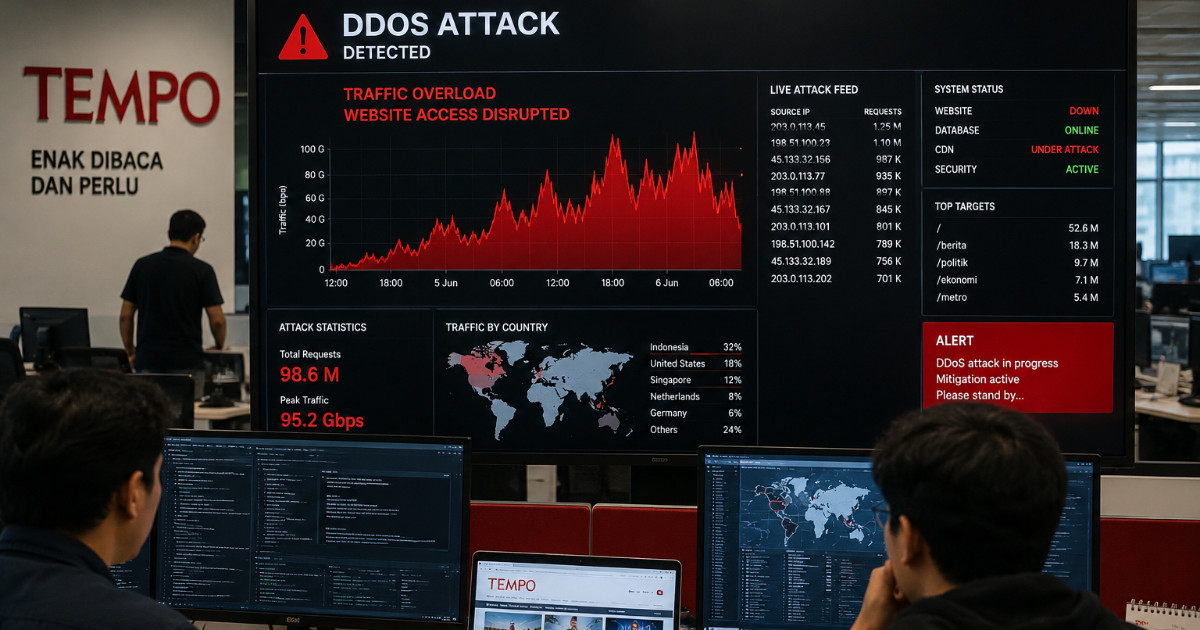
PHOTO: AI-generated; for illustrative purposes only.
Key Points
- Emotional appeal (surprise, outrage, inspiration) increases users' propensity to share.
- Timely, newsworthy stories tied to trends gain early traction and relevance.
- Early engagement signals trigger platform algorithms to amplify content.
- Visuals and video drive attention on image-first platforms like Instagram and TikTok.
- Influencers and network structure can rapidly accelerate distribution and reach.
Ask AI: Understand this story your way
AI EnabledDig deeper, ask anything — get instant context, background, and clarity.
Disclaimer: This feature is powered by AI and is intended to help readers explore and understand news stories more easily. While we strive for accuracy, AI-generated responses may occasionally be incomplete or reflect limitations in the underlying model. This feature does not represent the editorial views of JournalismPakistan. For our full, verified reporting, please refer to the original article.