.png)
U.S. judge questions Pentagon limits on journalists
JournalismPakistan.com | Published: 7 March 2026 | JP Global Monitoring
Join our WhatsApp channel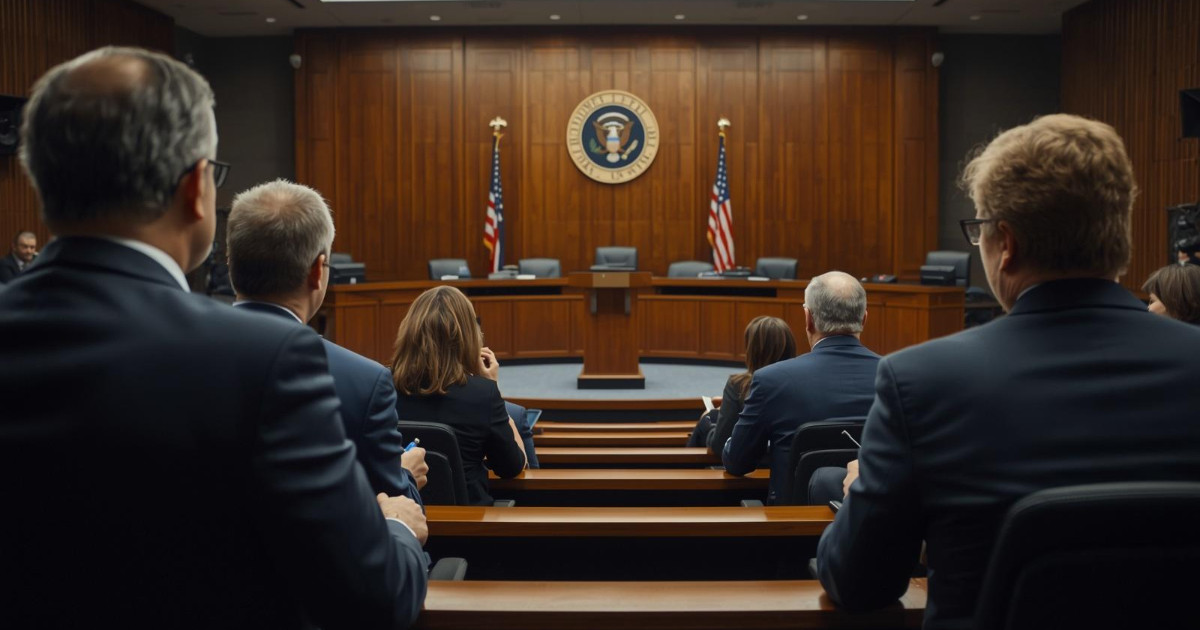
A U.S. federal judge on March 6 questioned a 2025 Pentagon policy that restricts journalists' access to Defense Department briefings and permits labeling reporters as security risks; media groups say the rule chills reporting and spurred credential withdrawals.Summary
WASHINGTON — A U.S. federal judge expressed strong doubts March 6 over a Pentagon policy that restricts journalists’ access to Defense Department briefings and could designate reporters as security risks for asking probing questions. The policy, implemented in late 2025, has already led The New York Times and more than 30 other outlets to surrender press credentials in protest, citing concerns over press freedom and transparency.
Judge critically examines Pentagon policy
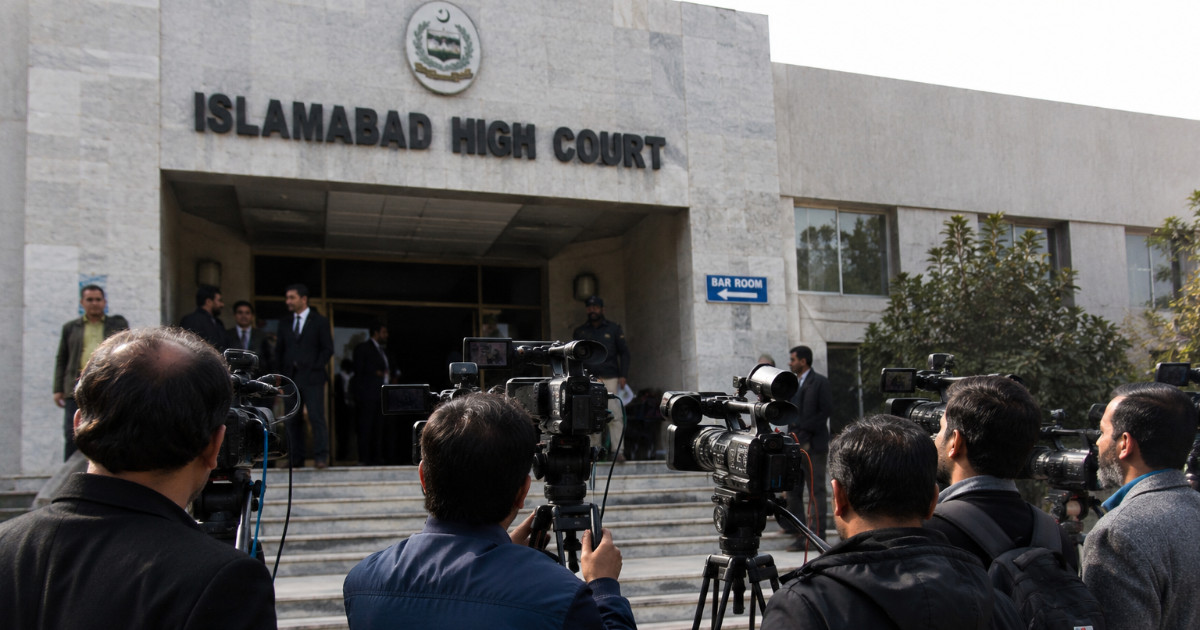
During a preliminary hearing in the U.S. District Court for the District of Columbia, the judge questioned whether the Defense Department’s rules violate constitutional protections for freedom of the press. Lawyers representing the media argued that the policy effectively punishes reporters for asking challenging questions and undermines the public’s right to know.
Media organizations warn of chilling effects
The case has drawn widespread attention among national and international media, with advocacy groups warning that allowing the Pentagon to unilaterally restrict access could set a dangerous precedent for journalists covering sensitive topics. The Defense Department defended the policy as necessary for national security but acknowledged it could be revised based on judicial guidance.
Potential global implications
If the court strikes down the policy, it could reinforce limits on government overreach into press access, signaling to other democracies that restrictive measures against journalists may face legal challenges. Observers note that similar policies in allied nations could be scrutinized in light of this ruling.
WHY THIS MATTERS: For Pakistani journalists, this case highlights the critical importance of legal frameworks in protecting reporters’ access to official sources. Media organizations can study the strategies used in U.S. courts to contest restrictive press policies, which may inform advocacy and legal efforts in Pakistan when government measures threaten independent reporting.
ATTRIBUTION: Based on reporting by Reuters (March 6, 2026) and a public statement released March 6, 2026, by the Committee to Protect Journalists.
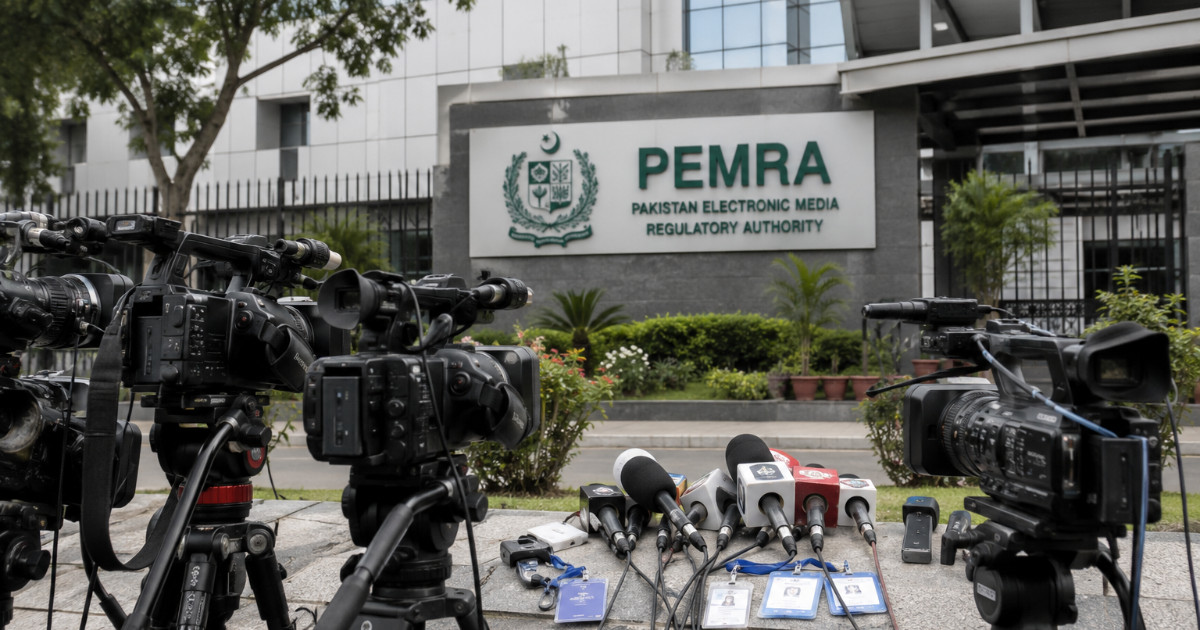
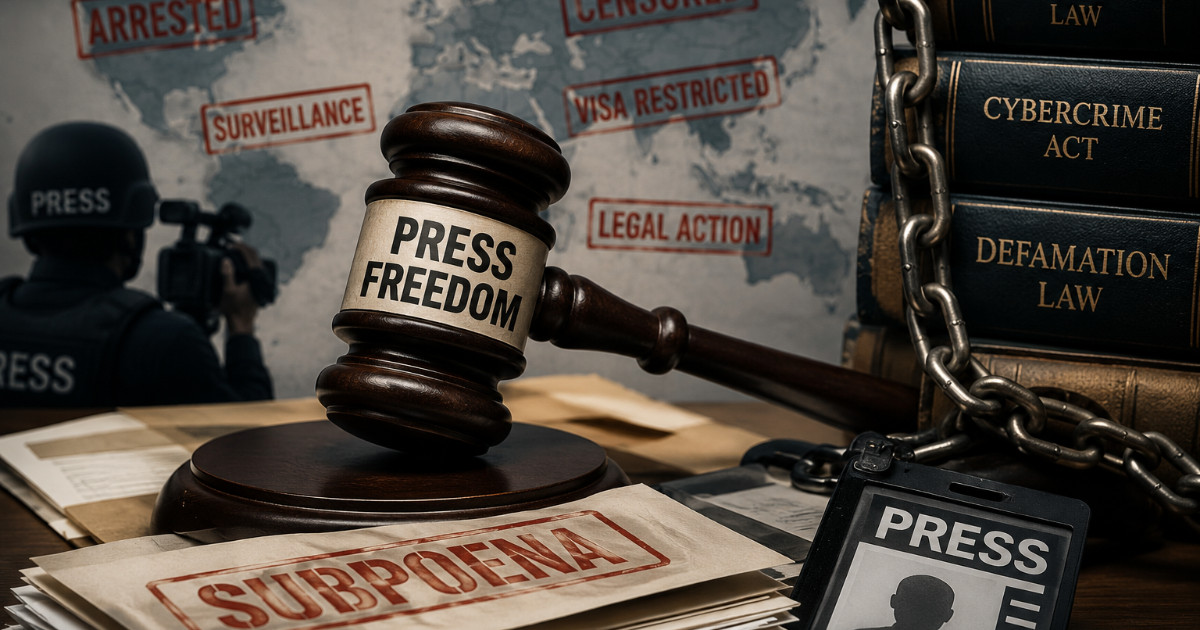
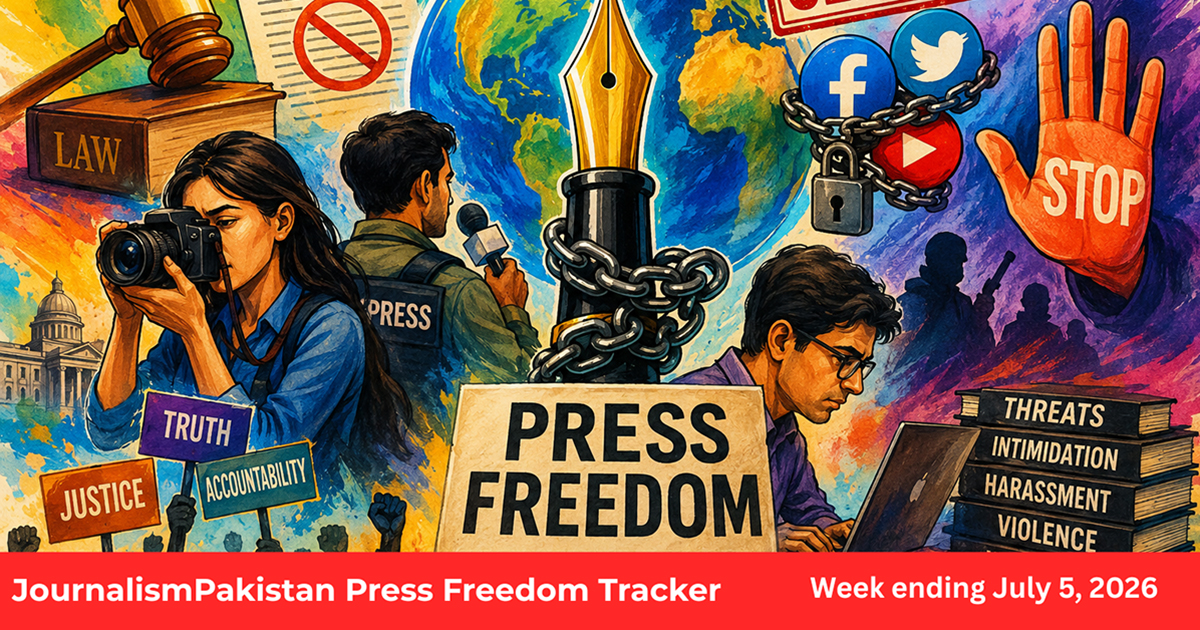
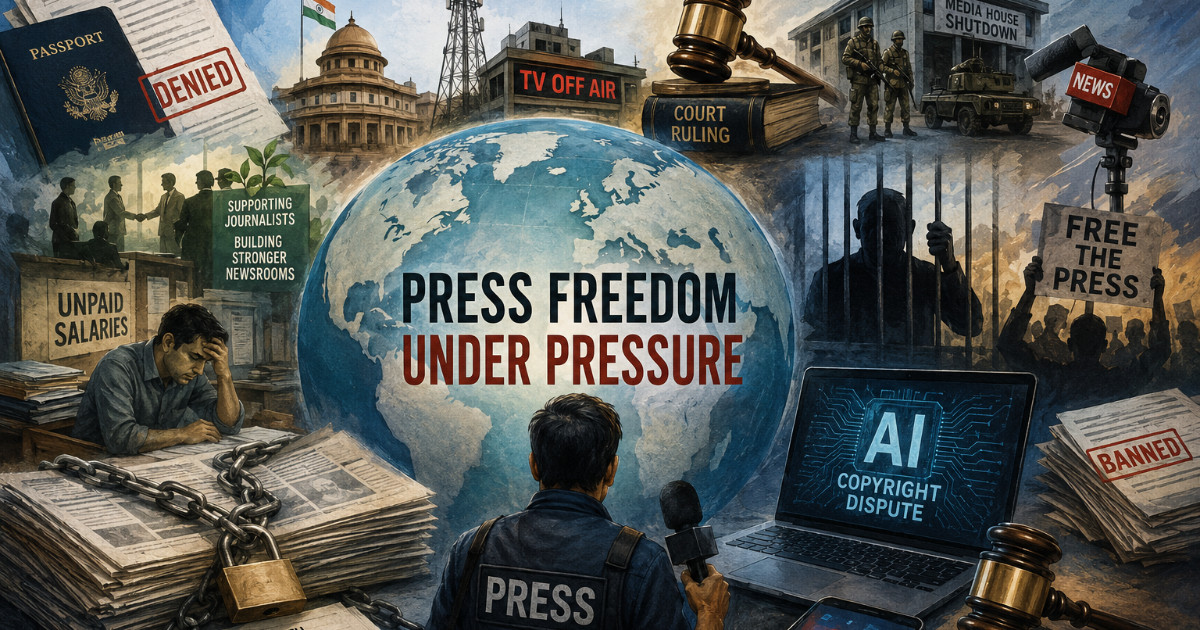
PHOTO: AI-generated; for illustrative purposes only.
Key Points
- Judge raised doubts the policy may violate constitutional protections for freedom of the press.
- The rules restrict journalist access to Defense Department briefings and allow reporters to be deemed security risks.
- The New York Times and more than 30 outlets surrendered press credentials in protest.
- The Defense Department defends the policy on national security grounds but says it could be revised after judicial guidance.
- A court decision could set a precedent affecting government limits on press access domestically and internationally.
Key Questions & Answers
What does the Pentagon policy do?
It limits journalists' access to Defense Department briefings and allows the department to designate reporters as potential security risks.
Who is challenging the policy?
Major media organizations, including The New York Times and more than 30 other outlets, have protested and surrendered credentials while pursuing legal challenges.
What did the judge say at the hearing?
The judge expressed strong doubts about the policy's compatibility with constitutional press protections and questioned whether it effectively punishes probing questions.
What could be the implications of the court's ruling?
If struck down, the decision could reinforce limits on government overreach into press access and influence similar policies abroad; the Defense Department has said the policy could be revised based on judicial guidance.
Relevant Topics
Ask AI: Understand this story your way
AI EnabledDig deeper, ask anything — get instant context, background, and clarity.
Disclaimer: This feature is powered by AI and is intended to help readers explore and understand news stories more easily. While we strive for accuracy, AI-generated responses may occasionally be incomplete or reflect limitations in the underlying model. This feature does not represent the editorial views of JournalismPakistan. For our full, verified reporting, please refer to the original article.