
Tanzanian tycoon acquires majority stake in Nation Media Group
JournalismPakistan.com | Published: 14 March 2026 | JP Global Monitoring
Join our WhatsApp channel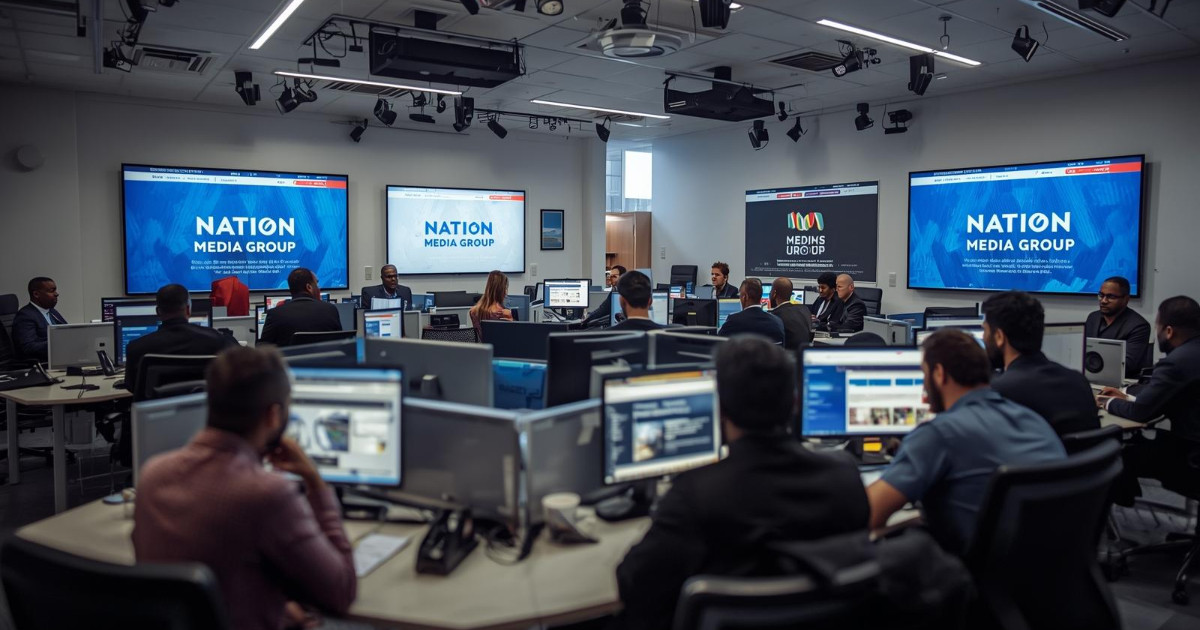
Tanzanian tycoon Rostam Aziz bought AKFED's entire stake in NPRT Holdings Africa Limited, acquiring 54.08% of Nation Media Group (92,618,177 shares) and ending the Aga Khan Fund's six-decade ownership as AKFED refocused its investment portfolio.Summary
NAIROBI — A major shift in East Africa’s media landscape is underway after Tanzanian businessman Rostam Aziz acquired a controlling stake in Nation Media Group (NMG), ending more than six decades of ownership by the Aga Khan Fund for Economic Development (AKFED).
The deal transfers AKFED’s entire shareholding in NPRT Holdings Africa Limited, the investment vehicle that controls 54.08 percent of NMG, to Taarifa Ltd, a company owned by Aziz. The stake represents 92,618,177 ordinary shares, giving Aziz effective control of one of East and Central Africa’s most influential media organizations.
End of a six-decade ownership era
AKFED had been associated with Nation Media Group since 1959, when the Aga Khan family began building what would become one of Africa’s largest independent media companies. Over the decades, NMG expanded across Kenya, Uganda, and Tanzania with newspapers, television channels, radio stations, and digital platforms reaching millions of readers and viewers.
The organization has long been regarded as a flagship of independent journalism in East Africa. During AKFED’s stewardship, NMG launched major titles, including the Daily Nation and Sunday Nation, listed on the Nairobi Securities Exchange in 1973, and developed a regional digital audience exceeding tens of millions of users.
AKFED said the sale reflects a broader strategic refocus of its investment portfolio rather than dissatisfaction with the company’s performance.
Investor promises independence and digital growth
Aziz, a billionaire businessman with investments in energy, telecommunications, agriculture, and media, has pledged to maintain NMG’s editorial independence while accelerating its digital transformation. Speaking after the announcement, he described NMG as “an institution of profound importance to East Africa” and said the goal is to strengthen its role as a leading regional news organization.
The transaction still requires regulatory approvals and is expected to close within several months. NMG’s shares will continue trading on the Nairobi Securities Exchange, and the new owner has indicated there are no immediate plans to delist the company or buy out remaining shareholders.
Concerns emerge over political influence
Despite assurances from the new majority shareholder, the takeover has sparked debate among journalists, analysts, and press freedom advocates. Aziz previously served as a member of parliament in Tanzania and has had ties to business networks associated with the country’s ruling party.
Media commentators across the region say such connections have raised concerns about the potential for political influence over editorial policy, particularly at a time when independent journalism faces financial pressures and increasing competition from digital platforms.
For many observers, the acquisition reflects a broader trend in emerging markets where wealthy investors step in to rescue or modernize traditional media institutions, sometimes bringing both much-needed capital and new questions about editorial independence.
WHY THIS MATTERS: For Pakistani journalists and media organizations, the deal highlights a growing global pattern: financially struggling legacy media outlets are increasingly turning to wealthy investors for survival and digital expansion. While such investments can stabilize newsrooms and accelerate digital transformation, they also raise questions about editorial autonomy, ownership transparency, and political influence, issues that Pakistan’s media sector continues to confront.
ATTRIBUTION: Based on reporting by Financial Times (March 13, 2026) and Capital FM Kenya (March 10, 2026).
PHOTO: AI-generated; for illustrative purposes only.
Key Points
- Rostam Aziz acquired AKFED's entire shareholding in NPRT Holdings Africa Limited.
- The transferred stake equals 92,618,177 ordinary shares, representing 54.08% of Nation Media Group and giving Aziz effective control.
- AKFED had been associated with NMG since 1959; NMG was listed on the Nairobi Securities Exchange in 1973 and expanded regionally.
- AKFED said the sale reflects a strategic refocus of its investment portfolio.
- NMG operates newspapers, television, radio and digital platforms across Kenya, Uganda and Tanzania.
Key Questions & Answers
Who acquired the stake in Nation Media Group?
Tanzanian businessman Rostam Aziz acquired the controlling stake.
What did Aziz buy?
He purchased AKFED's entire shareholding in NPRT Holdings Africa Limited, which controls 54.08% of NMG (92,618,177 ordinary shares).
Why did AKFED sell its stake?
AKFED said the sale reflects a broader strategic refocus of its investment portfolio.
What is the significance of the transaction?
The deal ends AKFED's six-decade association with NMG and gives Aziz effective control of one of East and Central Africa's major media organisations.
Ask AI: Understand this story your way
AI EnabledDig deeper, ask anything — get instant context, background, and clarity.
Disclaimer: This feature is powered by AI and is intended to help readers explore and understand news stories more easily. While we strive for accuracy, AI-generated responses may occasionally be incomplete or reflect limitations in the underlying model. This feature does not represent the editorial views of JournalismPakistan. For our full, verified reporting, please refer to the original article.