
Pakistan newspapers weigh survival without state ads
JournalismPakistan.com | Published: 3 March 2026 | JP Staff Report
Join our WhatsApp channel
As ad revenues decline and print circulation falls, Pakistani newspapers are re-evaluating reliance on government advertising that long subsidised dailies; analysts say the practice can threaten editorial independence and lacks transparent allocation.Summary
ISLAMABAD — As advertising revenues tighten and print circulation declines, Pakistani newspapers are confronting a long-standing structural question: can they survive without government advertising?
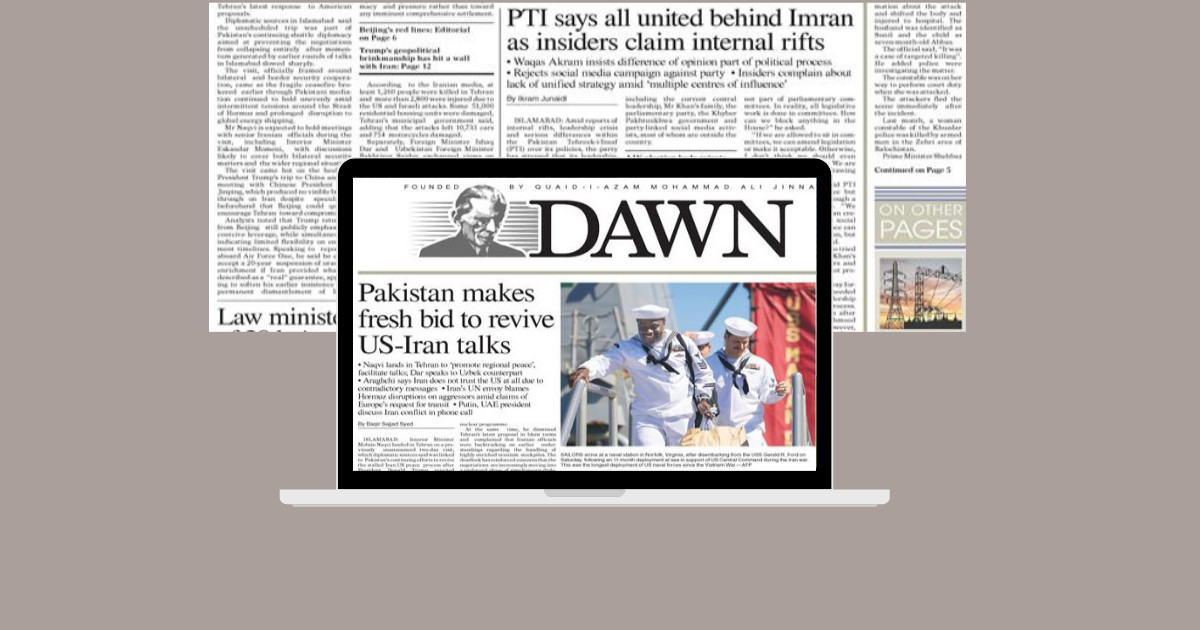
For decades, federal and provincial government departments have been among the largest advertisers in the country’s print media market. Public sector campaigns, tender notices, and official announcements have provided a steady income stream to major dailies such as Dawn and publications owned by the Jang Group, often cushioning them against volatility in private-sector advertising.
Dependence on public funds raises independence concerns
The reliance on state advertising has sparked repeated debate about editorial independence. Media analysts note that when a significant share of revenue comes from public institutions, there is an inherent risk that financial pressure could influence coverage decisions, especially during politically sensitive periods.
In Pakistan, government advertising is typically allocated through official information departments and distributed to newspapers based on circulation, language, and regional reach. However, journalist bodies and press freedom advocates have in the past raised concerns over transparency in allocation criteria and alleged use of advertising as leverage during disputes between media houses and the government.
Globally, the economics of print have shifted dramatically over the past decade. According to the World Association of News Publishers, global print advertising revenues have steadily declined as digital platforms capture a growing share of the market. This trend has intensified financial stress on traditional newspapers in emerging economies where subscription models remain underdeveloped.
Shrinking print revenues and limited reader payments
Research by the Reuters Institute for the Study of Journalism shows that while digital subscriptions are growing in parts of Europe and North America, readers in many South Asian markets are less accustomed to paying for online news. In Pakistan, low cover prices for print editions and limited uptake of paid digital subscriptions have historically made advertising the primary revenue driver.
The situation has been compounded by broader economic challenges, including inflation and currency depreciation, which have increased printing costs for newsprint and distribution. Publishers report that newsprint prices are tied to international markets, making them vulnerable to exchange rate fluctuations.
Some media houses have attempted to diversify revenue streams through digital advertising, branded content, events, and subscription experiments. Yet digital ad revenue in Pakistan remains dominated by global technology platforms rather than local news organizations, limiting the share that publishers can capture.
Is a future without state ads realistic?
Industry observers say a complete withdrawal of government advertising would be destabilizing for many smaller and regional newspapers that lack diversified income sources. Larger groups with cross-media operations, including television and digital assets, may be better positioned to absorb shocks.
At the same time, critics argue that reducing dependence on state funds could strengthen editorial autonomy and encourage innovation. They point to international examples where reader revenue, membership programs, and philanthropic support have helped sustain investigative and public-interest journalism.
The Government of Pakistan has not announced any blanket policy to withdraw advertising from print. Still, fiscal pressures and periodic disputes between authorities and media houses have kept the issue in public debate. Any structural reform of the advertising system would likely require clear, transparent criteria and safeguards to prevent politicization.
WHY THIS MATTERS: Pakistani newsrooms remain heavily advertising-dependent, with a limited culture of paid subscriptions. Exploring alternative revenue models is critical for editorial independence and long-term sustainability. Media managers and editors in Pakistan can draw lessons from global experiments in reader revenue, digital transformation, and diversified income streams.
ATTRIBUTION: This analysis draws on publicly available industry data from the World Association of News Publishers and research published by the Reuters Institute for the Study of Journalism, along with reporting by leading Pakistani newspapers, including Dawn and publications of the Jang Group.
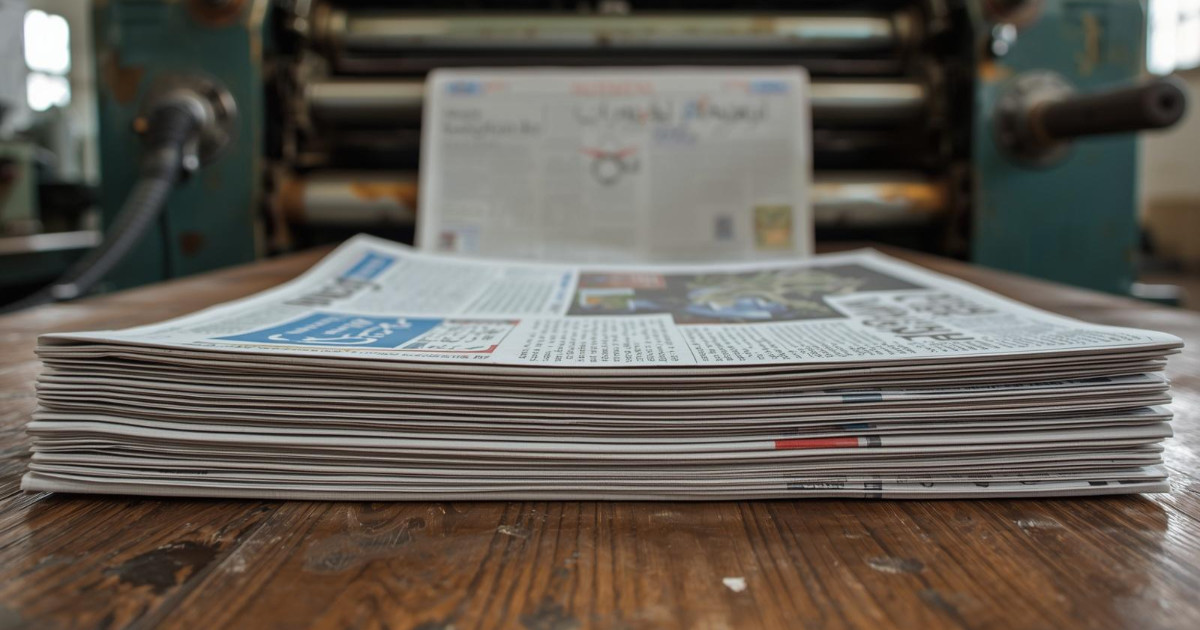
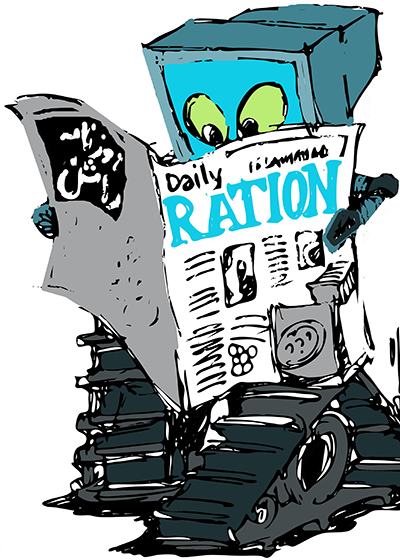
PHOTO: AI-generated; for illustrative purposes only.
Key Points
- Federal and provincial departments have historically been major advertisers, providing steady revenue.
- Allocation of government advertising is handled by official information departments using criteria like circulation, language and regional reach.
- Reliance on public funds has raised concerns about editorial independence and potential financial leverage over coverage decisions.
- Declining print circulation and tightening private ad markets are increasing pressure on newspapers to find alternative revenue streams.
- Journalist bodies and press freedom advocates have called for transparent allocation criteria to reduce perceived government influence.
Key Questions & Answers
Why do Pakistani newspapers rely on government advertising?
Government campaigns, tender notices and official announcements have been steady, sizable revenue sources that helped subsidise major dailies.
How is government advertising allocated?
Official information departments distribute ads based on factors like circulation, language and regional reach; critics argue the process lacks full transparency.
Does reliance on state ads affect editorial independence?
Dependence on public funds can create risks of financial pressure influencing coverage, especially during politically sensitive periods.
What steps can newspapers take to reduce dependence on government ads?
Publishers can diversify revenues through digital subscriptions, alternative advertising strategies and pushing for transparent, fair allocation policies.
Relevant Topics
Ask AI: Understand this story your way
AI EnabledDig deeper, ask anything — get instant context, background, and clarity.
Disclaimer: This feature is powered by AI and is intended to help readers explore and understand news stories more easily. While we strive for accuracy, AI-generated responses may occasionally be incomplete or reflect limitations in the underlying model. This feature does not represent the editorial views of JournalismPakistan. For our full, verified reporting, please refer to the original article.