
Press freedom under threat as legal actions target reporters
JournalismPakistan.com | Published: 6 March 2026 | JP Staff Report
Join our WhatsApp channel
International watchdogs report a sharp decline in press freedom in early 2026, with journalists across at least ten countries facing arrests, prosecutions, and detention tied to reporting. China is the biggest jailer; cases also include Myanmar, Hong Kong, and Pakistan.Summary
ISLAMABAD — Global press freedoms have deteriorated sharply in early 2026, with journalists across at least ten countries facing arrests, prosecutions, arbitrary detention, or punitive legal actions tied directly to their reporting, according to the most recent data from international press‑freedom watchdogs. These developments reflect entrenched legal repression that rights groups say is being used systematically to silence independent journalism and curb public accountability.
China remains the world’s most prolific jailer of journalists, with at least 50 confirmed behind bars on work‑related charges as of December 1, 2025. Authorities routinely leverage broad “state security” provisions to target reporters and dissidents, including prominent figures such as media entrepreneur Jimmy Lai, who was sentenced to 20 years in prison under national security laws in Hong Kong earlier this year.
Journalists under threat across regions
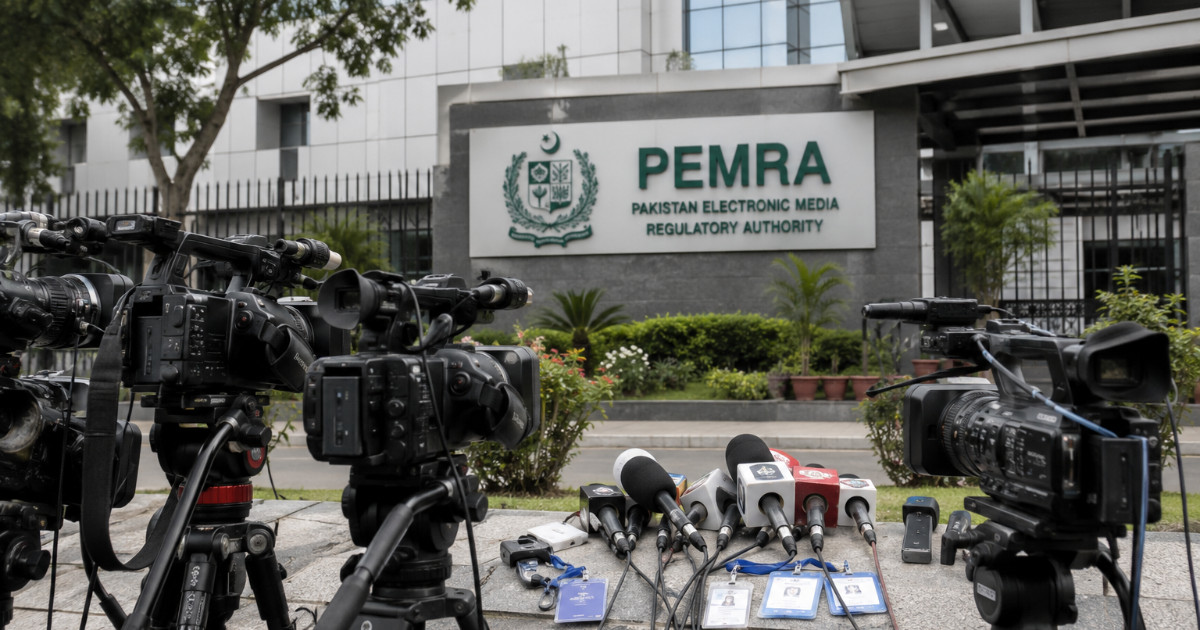
Across Asia, Myanmar’s military government held around 30 journalists in detention at the end of 2025. Although a recent mass amnesty freed a handful of reporters, rights groups caution that sweeping security statutes continue to suppress independent media. Vietnam, Bangladesh, and India also registered cases of journalists facing legal action or harassment linked to their reporting. In Pakistan, journalists and media outlets face growing legal and regulatory pressures, including PECA cases, license threats, and digital surveillance, reflecting trends seen in other countries where reporting is increasingly criminalized.
In Central Asia, Kazakh authorities fined journalists for conducting public‑opinion surveys related to a constitutional referendum, illustrating the growing use of administrative sanctions to restrict press work.
In the Middle East and North Africa, Israel detained dozens of Palestinian journalists without due process, while Egypt and Saudi Arabia continued to prosecute and imprison media workers and critics under anti‑state and public order laws. Iran, despite a recent decline from previous highs, also remains a jurisdiction where journalists face arbitrary arrest and criminal charges for commentary or coverage perceived as oppositional.
Europe and legal persecution
European countries are not immune. Russia, Belarus, Azerbaijan, and Türkiye together accounted for well over 100 journalists jailed or facing legal proceedings as of late 2025, with many cases tied to coverage of political protests, corruption, or the war in Ukraine. In Türkiye, journalists have been charged under criminal defamation and “insulting the president” statutes, a trend exemplified this year by the arrest of a Deutsche Welle correspondent on social media‑related charges.
In addition to detention and imprisonment, legal harassment takes other forms. Strategic lawsuits against public participation (SLAPPs), heavy fines, and expanded digital surveillance laws in countries such as Bulgaria, Serbia, and other Council of Europe members have further constrained journalistic independence.
WHY THIS MATTERS: For Pakistani journalists and media professionals, this global snapshot underscores the expanding toolkit of legal repression that can be wielded against independent reporting, including anti‑state and defamation laws, administrative fines, and digital regulation. Understanding these tactics is critical for newsroom legal preparedness, advocacy strategies, and fostering international solidarity to safeguard press freedom at home and abroad.
ATTRIBUTION: Based on reporting by the Committee to Protect Journalists (January 21, 2026) and related press freedom reports (March 3, 2026).
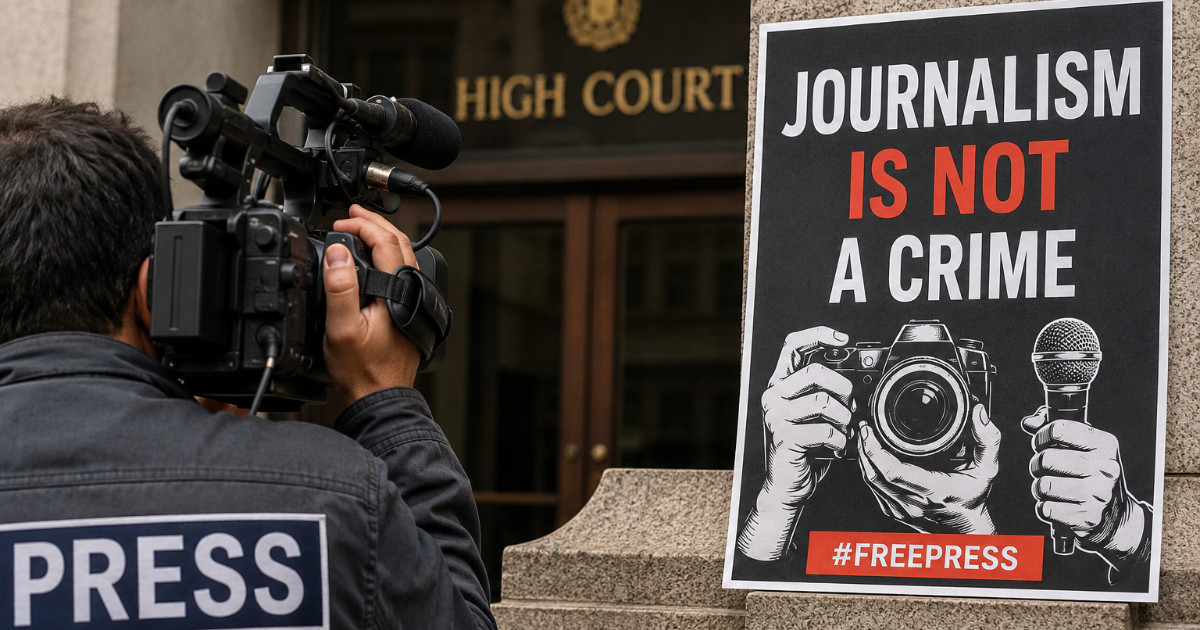
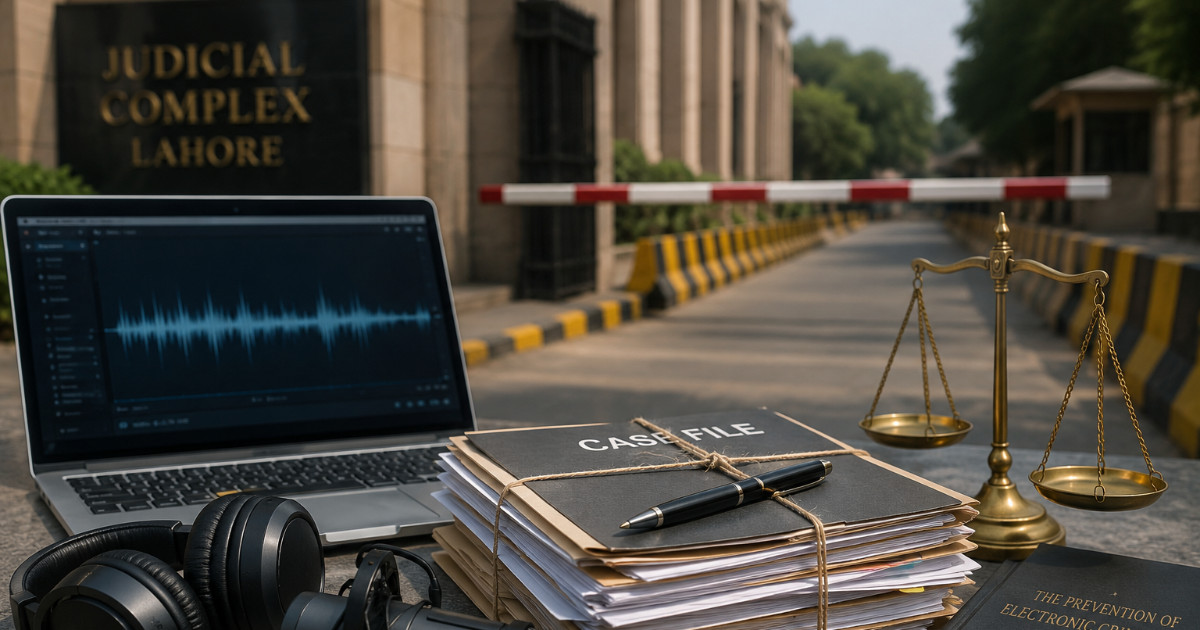
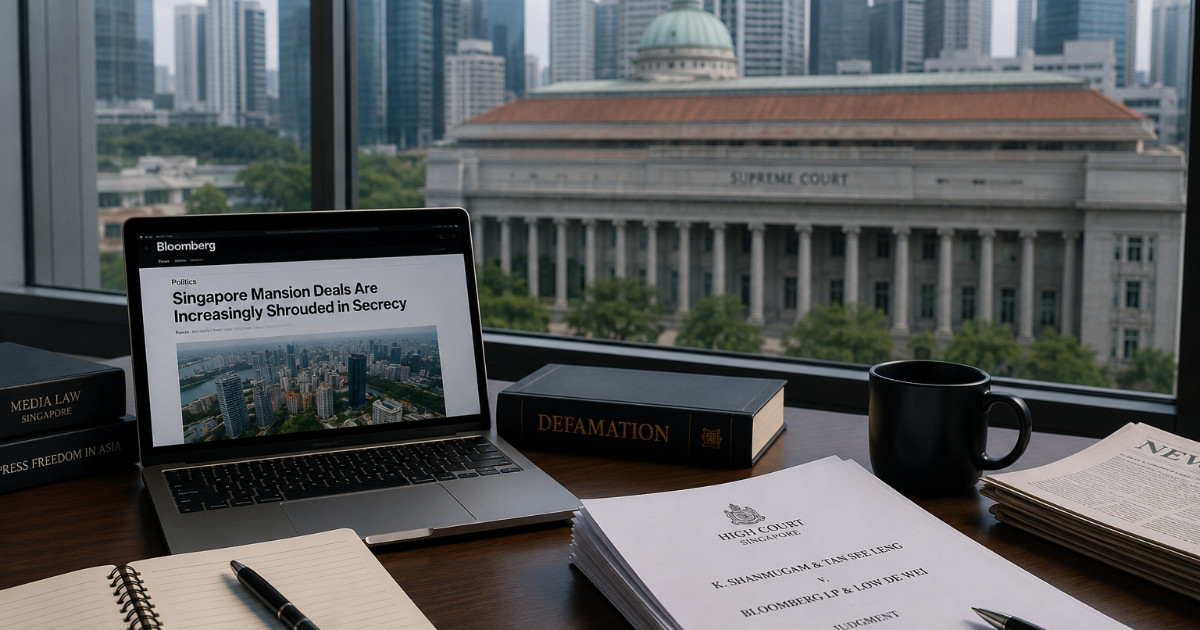
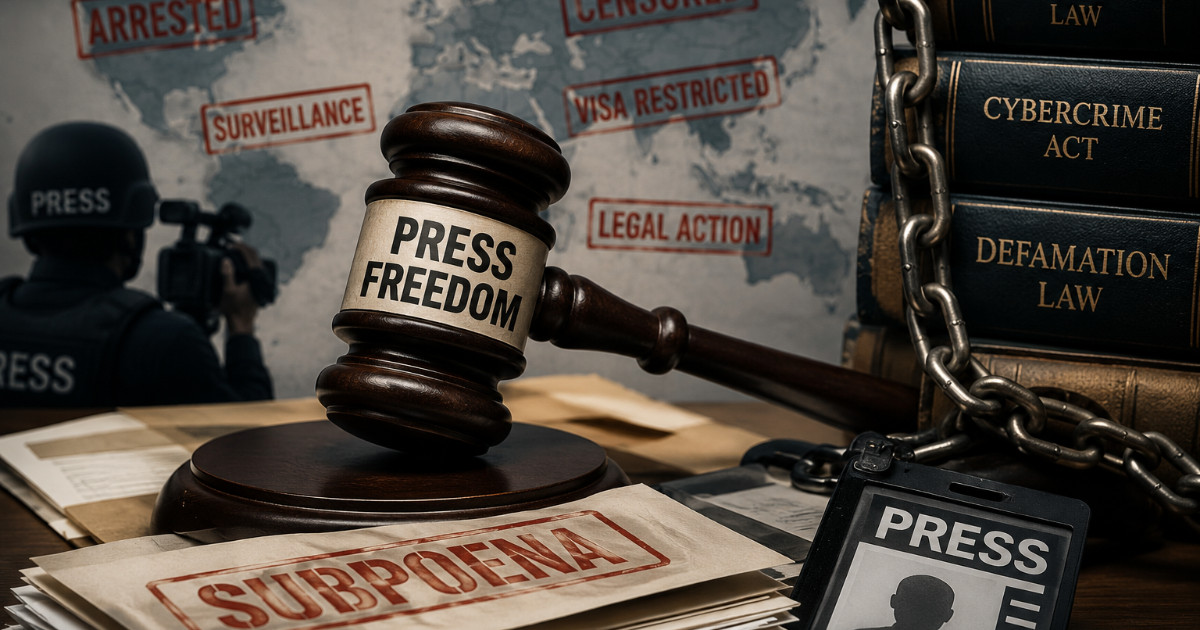
PHOTO: AI‑generated; for illustrative purposes only.
Key Points
- Watchdogs document arrests, prosecutions, and arbitrary detention of reporters in at least ten countries.
- China held at least 50 journalists on work‑related charges as of Dec 1, 2025, with authorities invoking broad state security provisions.
- High‑profile prosecutions include media entrepreneur Jimmy Lai, who received a 20‑year sentence under Hong Kong national security laws.
- Myanmar's military detained around 30 journalists by the end of 2025; a limited amnesty freed some, but security statutes remain in force.
- In Pakistan, journalists face growing legal and regulatory pressure, including PECA cases, licence threats and increased digital surveillance.
Key Questions & Answers
What is driving the global decline in press freedom?
Rights groups point to entrenched legal repression, including broad state security laws, prosecutions, and digital surveillance used to punish reporting.
Which countries are most affected by these measures?
Reported hotspots include China, Myanmar, Hong Kong, Vietnam, Bangladesh, India and Pakistan; the pattern is regional and global.
Is China the largest jailer of journalists?
Yes; as of Dec 1, 2025, China was reported to hold at least 50 journalists on work‑related charges and frequently cites state security to justify detentions.
How are journalists in Pakistan being targeted?
Pakistani reporters face PECA cases, threats to broadcasting licences and heightened digital surveillance; these measures have increased legal and regulatory pressures on media.
Relevant Topics
Ask AI: Understand this story your way
AI EnabledDig deeper, ask anything — get instant context, background, and clarity.
Disclaimer: This feature is powered by AI and is intended to help readers explore and understand news stories more easily. While we strive for accuracy, AI-generated responses may occasionally be incomplete or reflect limitations in the underlying model. This feature does not represent the editorial views of JournalismPakistan. For our full, verified reporting, please refer to the original article.