
Pakistan media divide deepens after talks
JournalismPakistan.com | Published: 13 April 2026 | JP Staff Report
Join our WhatsApp channel
Social media posts after Islamabad US-Iran talks ignited a heated debate in Pakistan involving journalists and political supporters. The discussion quickly moved beyond foreign policy to focus on media conduct, partisan narratives and a press centre's role.Summary
ISLAMABAD — Claims circulating on social media following the Islamabad-hosted US-Iran talks have triggered a heated online debate in Pakistan, drawing in journalists, political supporters, and commentators. The discussion has quickly expanded beyond foreign policy speculation into broader arguments over media conduct and political polarization online.
Some posts on social platforms praised Pakistan’s leadership figures, including mentions of Prime Minister Shehbaz Sharif, Foreign Minister Ishaq Dar, and Chief of Army Staff Field Marshall Asim Munir, linking them to facilitation efforts. These claims were countered by opposing political voices, particularly supporters of the Pakistan Tehreek-i-Insaf, who challenged celebratory narratives and revived references to earlier political controversies. The exchange rapidly escalated into a wider digital confrontation marked by partisan rhetoric.
Polarised reactions on social media
Within this environment, journalists also became part of the unfolding online debate. Senior journalist Ansar Abbasi posted on X on April 10, urging users to “come out of this state of restraint,” a statement that drew strong responses from critics and supporters alike. By the following day, he clarified that no individual had been named, but the exchange had already intensified public scrutiny of media voices engaging in political discourse online.
Media conduct and online criticism
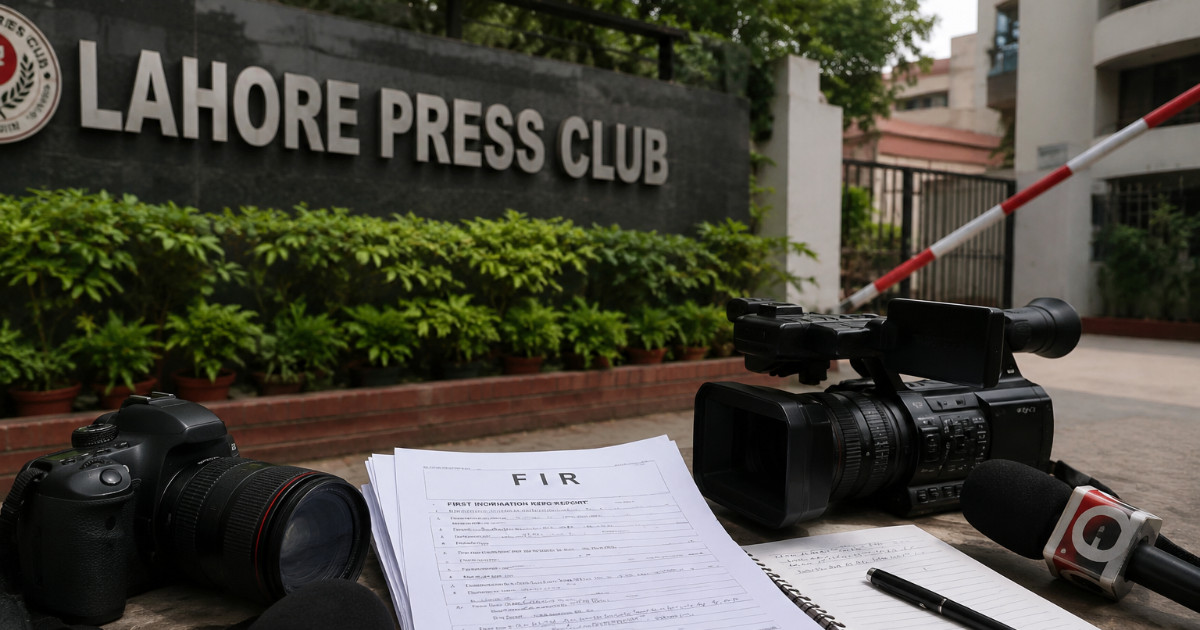
Attention also turned to a media center set up at the Convention Center for visiting foreign journalists, which became a subject of commentary in vlogs and social media posts. Some journalists praised the arrangements, while others criticized what they viewed as excessive focus on hospitality details rather than substantive reporting, further deepening divisions over professional standards during high-profile diplomatic events.
Journalist Gharidah Farooqi later said online images and commentary about her appearance were misrepresented and circulated without consent, describing them as part of a coordinated smear campaign. Other journalists defended her, arguing that personal attire should not become a subject of professional or political targeting, while critics framed the issue within broader debates about media credibility and perception.
Journalist Mubashir Zaidi linked the controversy to structural gaps in international reporting experience among Pakistani journalists, noting differences in access to official briefings compared to foreign counterparts. He suggested that the reliance on informal communication channels often leaves gaps in understanding during complex diplomatic developments.
“Most Pakistani journalists do not have experience of international events or diplomacy. Yet it is important to note that American and Iranian journalists were being briefed by their diplomats, while our journalists were not given any information. They are accustomed to WhatsApp anyway, but when no messages came through WhatsApp, there was simply no information.”
WHY THIS MATTERS: The episode highlights how unverified geopolitical claims on social media can quickly shape journalistic discourse and deepen polarization within Pakistan’s media ecosystem. It underscores the growing pressure on journalists to navigate political narratives, online backlash, and credibility challenges simultaneously. For media professionals, it also reflects the need for stronger verification practices and clearer boundaries between reporting, commentary, and political engagement.
ATTRIBUTION: Reporting by JournalismPakistan based on publicly available social media posts on X (April 10–12, 2026) and statements circulating online from journalists and commentators during the same period.
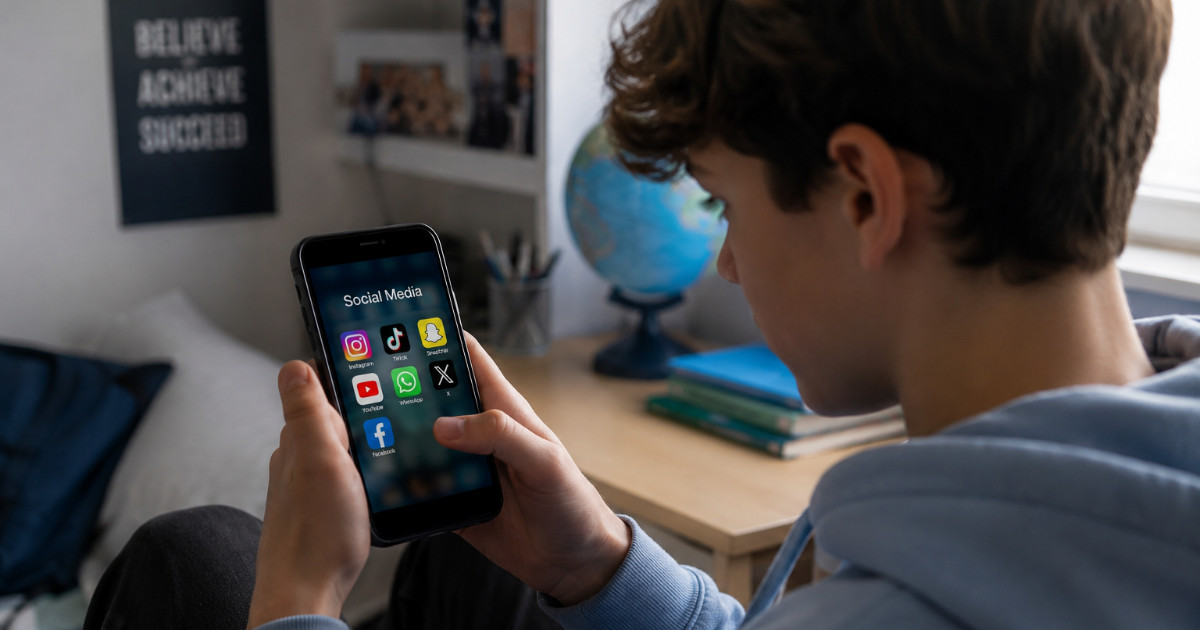
PHOTO: StartupStockPhotos from Pixabay
Key Points
- Online claims after Islamabad-hosted US-Iran talks triggered intense debate across social platforms.
- Supporters praised national leaders, linking them to facilitation efforts in some posts.
- Opponents, notably PTI supporters, disputed celebratory narratives and revived earlier controversies.
- Prominent journalists joined the exchange, escalating scrutiny of media voices and conduct online.
- The media/press centre at the Convention Center became a focal point for vlogs and commentary.
Key Questions & Answers
What triggered the online debate?
Claims on social media following the Islamabad-hosted US-Iran talks sparked the debate, which quickly involved political actors and media figures.
Who were named or praised in posts?
Some posts praised Prime Minister Shehbaz Sharif, Foreign Minister Ishaq Dar and COAS Field Marshal Asim Munir; others questioned those narratives.
Did journalists take part in the discussion?
Yes, several journalists engaged in the online exchange, which intensified public scrutiny of media conduct.
Why was the media centre criticized?
The media centre at the Convention Center drew attention in vlogs and commentary, prompting debate about press access and presentation.
Relevant Topics
Ask AI: Understand this story your way
AI EnabledDig deeper, ask anything — get instant context, background, and clarity.
Disclaimer: This feature is powered by AI and is intended to help readers explore and understand news stories more easily. While we strive for accuracy, AI-generated responses may occasionally be incomplete or reflect limitations in the underlying model. This feature does not represent the editorial views of JournalismPakistan. For our full, verified reporting, please refer to the original article.