AFP journalists in Türkiye win strike after pay dispute Why are media companies laying off journalists? Messi's farewell, Yamal's rise: Spain conquer Argentina in World Cup final Pakistan Media Monitor | Edition 4 | July 7-20, 2026 JP analysis: Legal pressure on journalists grows worldwide What is prior restraint in journalism and media law? Press freedom review: Governments tighten the screws on journalists China warns of retaliation over new US journalist visa limits Thailand urged to halt deportation of Chinese journalist Delhi HC warns press freedom is not a shield for irresponsible reporting Journalists question closed-door fuel price briefing None came before him, none will come after him: Farewell, Sir Garfield Sobers The JournalismPakistan Global Media Brief | Edition 29 | July 17, 2026 US tightens visa rules for foreign journalists Judge rejects bid to halt Paramount-Warner Bros. merger AFP journalists in Türkiye win strike after pay dispute Why are media companies laying off journalists? Messi's farewell, Yamal's rise: Spain conquer Argentina in World Cup final Pakistan Media Monitor | Edition 4 | July 7-20, 2026 JP analysis: Legal pressure on journalists grows worldwide What is prior restraint in journalism and media law? Press freedom review: Governments tighten the screws on journalists China warns of retaliation over new US journalist visa limits Thailand urged to halt deportation of Chinese journalist Delhi HC warns press freedom is not a shield for irresponsible reporting Journalists question closed-door fuel price briefing None came before him, none will come after him: Farewell, Sir Garfield Sobers The JournalismPakistan Global Media Brief | Edition 29 | July 17, 2026 US tightens visa rules for foreign journalists Judge rejects bid to halt Paramount-Warner Bros. merger
Logo
Janu
JP Global Media Brief

Murders of journalists continue as Pakistan earns unwanted distinction

 JournalismPakistan.com |  Published: 8 November 2014

Join our WhatsApp channel

Murders of journalists continue as Pakistan earns unwanted distinction
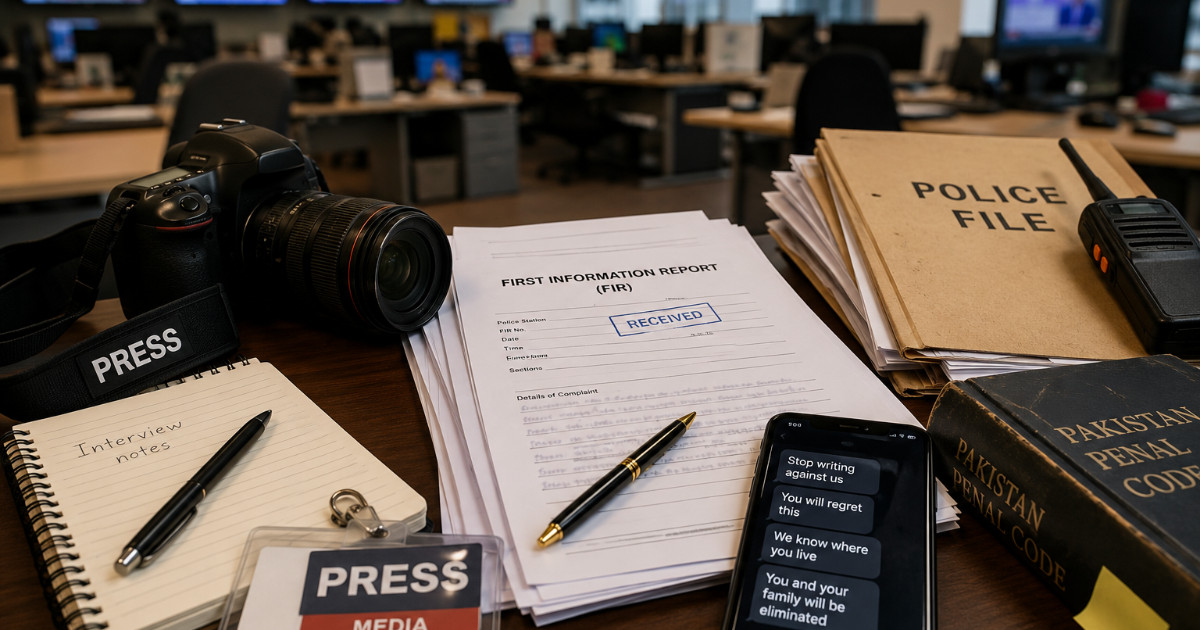
The assassination of journalist Jewan Arain in Sindh underscores the perilous environment for media workers in Pakistan. This incident marks another case in a troubling trend of journalist killings.

The International Federation of Journalists (IFJ) and its affiliate the Pakistan Federal Union of Journalists (PFUJ) have deplored the brutal assassination of a journalist in Sindh province and demanded the immediate arrest and persecution of the murderers.

The IFJ said Pakistan leads its global death toll as the most dangerous country for journalists and media workers, outranking Syria and Iraq in journalist killings for 2014.

Jewan Arain, a journalist of Dharti TV, was killed in Ghambat Khurha, Sindh on November 5. According to reports, a group of people opened fire on him when he was on the way to his office at about 3pm. He died at the scene as a result of his injuries.

The motive behind the killing has not been established, however, other journalists in Sindh believed it was related to his profession and staged a protest demanding the killers’ arrest.

This week, the IFJ and the South Asia Media Solidarity Network (SAMSN) wrote an open letter to Pakistan Prime Minister Nawaz Sharif calling for him to recognize November 2 as Pakistan’s National Day to End Impunity and to respond to a call to action.

IFJ acting director, Jane Worthington, said: “Arian is the 14th media worker to be killed in Pakistan this year – all of these killings were targeted shootings and assassinations. There are no other words than saying the situation facing journalists in Pakistan is beyond horrific. It is a war on the media that is crying out for a strong, concerted response that must be led by committed government that values the principles of democracy and understands the vital role of the media in that democratic system.”

The PFUJ said Pakistan’s “government had failed to provide security to the journalists. The state had failed to arrest killers in previous cases, which has resulted into an increase in incidents of killing of journalists in different parts of the country.”

It once again urges the government to realize its responsibilities and proceed to arrest killers of the journalist. The PFUJ also demanded a financial compensation to the bereaved family.

The IFJ noted that Pakistan is now the most dangerous country in the world for journalists – a situation worsened due to the high level of impunity for crimes against journalists. Of 100 cases of journalist killings since 2000 there have been only two prosecutions.

“The irony is not lost on the thousands of journalists who have marched to protest the country’s deplorable impunity record that three days after the International Day to End Impunity for Crimes Against Journalists, another journalist is struck down – the target of a direct assassination,” Jane Worthington said. - IFJ

Key Points

  • Jewan Arain was killed on November 5 in Sindh province.
  • The International Federation of Journalists ranks Pakistan as the deadliest country for journalists.
  • 2014 saw more journalist murders in Pakistan than in Syria and Iraq combined.
  • Protests have erupted demanding justice for Arain and security for journalists.
  • The government has been criticized for failing to protect journalists and prosecute the killers.

Ask AI: Understand this story your way

AI Enabled

Dig deeper, ask anything — get instant context, background, and clarity.

Not sure what to choose? Try one of these.

The AI generates results based on your selected options
Your AI-generated results will appear here after you click the button.

Disclaimer: This feature is powered by AI and is intended to help readers explore and understand news stories more easily. While we strive for accuracy, AI-generated responses may occasionally be incomplete or reflect limitations in the underlying model. This feature does not represent the editorial views of JournalismPakistan. For our full, verified reporting, please refer to the original article.

Don't Miss These

Pakistan Media Monitor | Edition 4 | July 7-20, 2026

Pakistan Media Monitor | Edition 4 | July 7-20, 2026

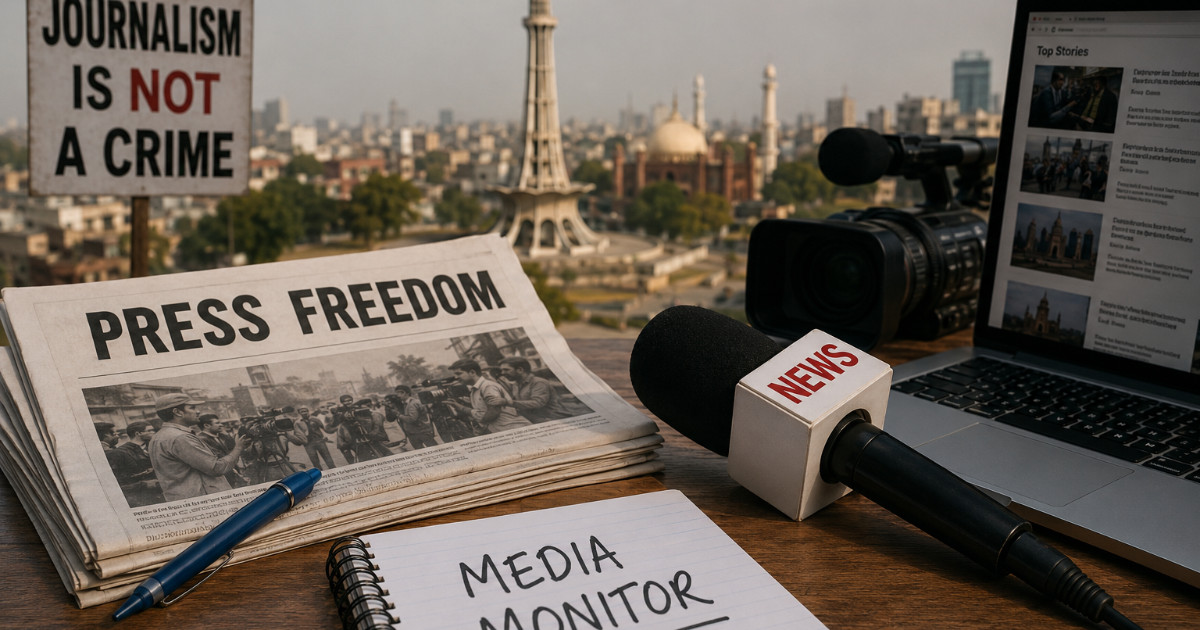
 July 20, 2026: During July 7-20, 2026 Pakistan's media faced legal action against journalists, expanded broadcast regulations, newsroom layoffs and surveillance concerns, revealing growing regulatory, economic and technological pressures on journalism.

CPJ urges Pakistan to lift Geo News suspension

CPJ urges Pakistan to lift Geo News suspension

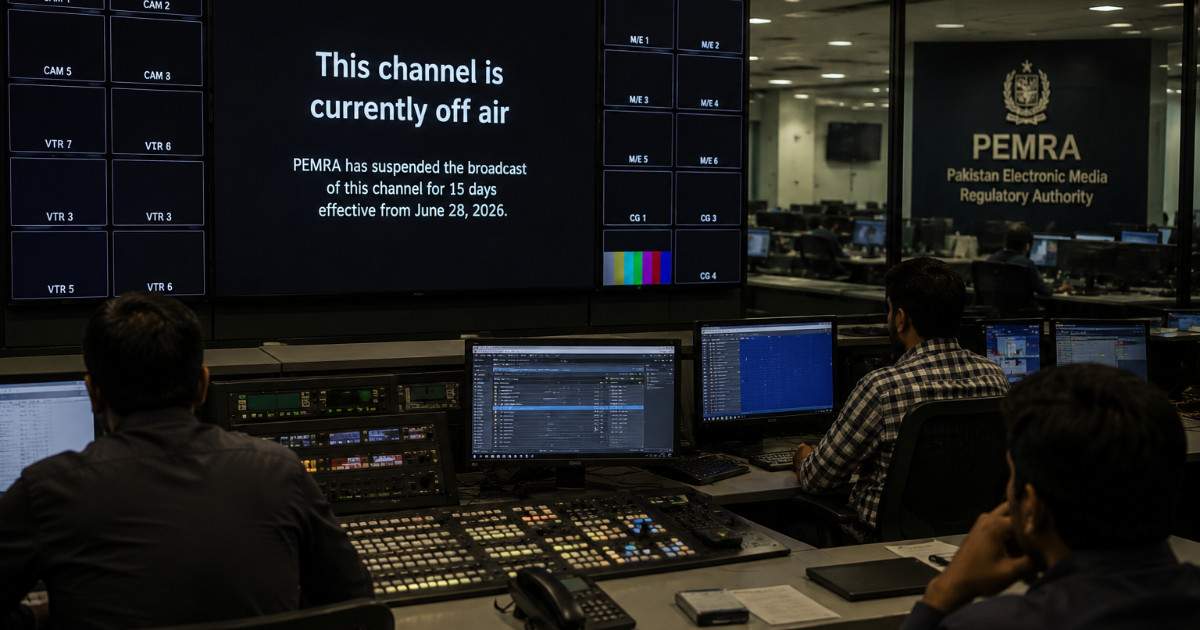
 July 02, 2026: CPJ urged Pakistan to reverse PEMRA's 15-day suspension of Geo News' broadcast license, calling it a dangerous escalation of official interference with independent media.

Newsroom
AFP journalists in Türkiye win strike after pay dispute

AFP journalists in Türkiye win strike after pay dispute

 July 21, 2026 AFP journalists in Türkiye ended a 12-day strike after securing a labor agreement with a 27% wage increase, a month's bonus, €2,500 and enhanced allowances.


Why are media companies laying off journalists?

Why are media companies laying off journalists?

 July 21, 2026 Media companies are laying off journalists as advertising income falls, audiences shift to digital platforms, costs rise, and AI plus new business models reshape newsroom economics.


Messi's farewell, Yamal's rise: Spain conquer Argentina in World Cup final

Messi's farewell, Yamal's rise: Spain conquer Argentina in World Cup final

 July 20, 2026 Spain defeated Argentina in a dramatic World Cup final as Ferran Torres' extra-time volley sealed victory, capping Messi's farewell and Yamal's rise.


JP analysis: Legal pressure on journalists grows worldwide

JP analysis: Legal pressure on journalists grows worldwide

 July 19, 2026 JournalismPakistan finds governments increasingly using courts, surveillance, visa limits and regulation instead of overt bans to pressure journalists.


What is prior restraint in journalism and media law?

What is prior restraint in journalism and media law?

 July 19, 2026 Prior restraint is government action that stops publication or broadcast before it reaches the public, creating tensions between press freedom and security.


Popular Stories