.png)
Indonesia enforces ban on social media for under‑16s
JournalismPakistan.com | Published: 28 March 2026 | JP Asia Desk
Join our WhatsApp channel
Indonesia on March 28 began enforcing a regulation that bars children under 16 from accessing major social media and digital platforms, requiring companies to deactivate or restrict underage accounts during phased compliance. The policy targets platforms deemed high-risk to children's mental health and safety.Summary
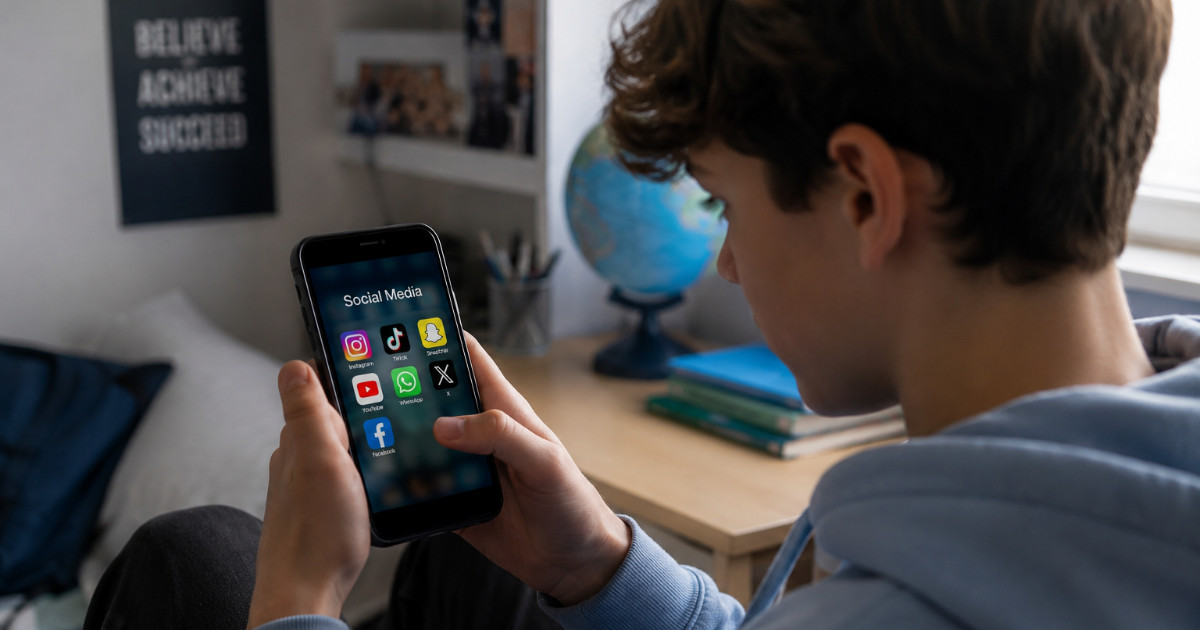
JAKARTA — Indonesia on March 28 began enforcing a government regulation that prohibits children under 16 from accessing major social media and digital platforms, marking the first such ban in Southeast Asia and a significant shift in how youth interact with online media. The policy, approved earlier this month, targets platforms deemed high‑risk for children’s mental health and safety, including YouTube, TikTok, Facebook, Instagram, X, and Roblox, with enforcement expected to be phased in as companies comply.
Enforcement begins amid a global trend to regulate youth online access
Under the regulation, platforms must ensure that accounts belonging to users under 16 are deactivated or restricted, with Indonesian regulators working with tech firms on compliance mechanisms that remain vaguely defined. Communications and Digital Affairs Minister Meutya Hafid reiterated the government’s rationale to shield young users from exposure to pornography, cyberbullying, online scams, and addictive design features, while acknowledging challenges in implementation.
Implications for youth engagement with news and digital content
Analysts and parents have raised questions about how the ban will work in practice, given widespread smartphone ownership and the presence of existing accounts held by minors, and about which verification or deactivation processes platforms will adopt. Platforms including Meta’s Facebook and Instagram, TikTok, and X have publicly acknowledged Indonesia’s new rules and signaled readiness to comply. Still, details on real‑time mechanisms such as age verification, account flagging, or gradual deactivation timelines remain unclear.
The regulation follows a global pattern of heightened scrutiny over children’s use of digital platforms, with similar age‑related restrictions introduced in countries such as Australia in late 2025. Observers say Indonesia’s move reflects broader concerns about youth exposure to harmful content and the alleged addictive qualities of social media, even as debates continue about digital literacy, parental roles, and freedom of information online.
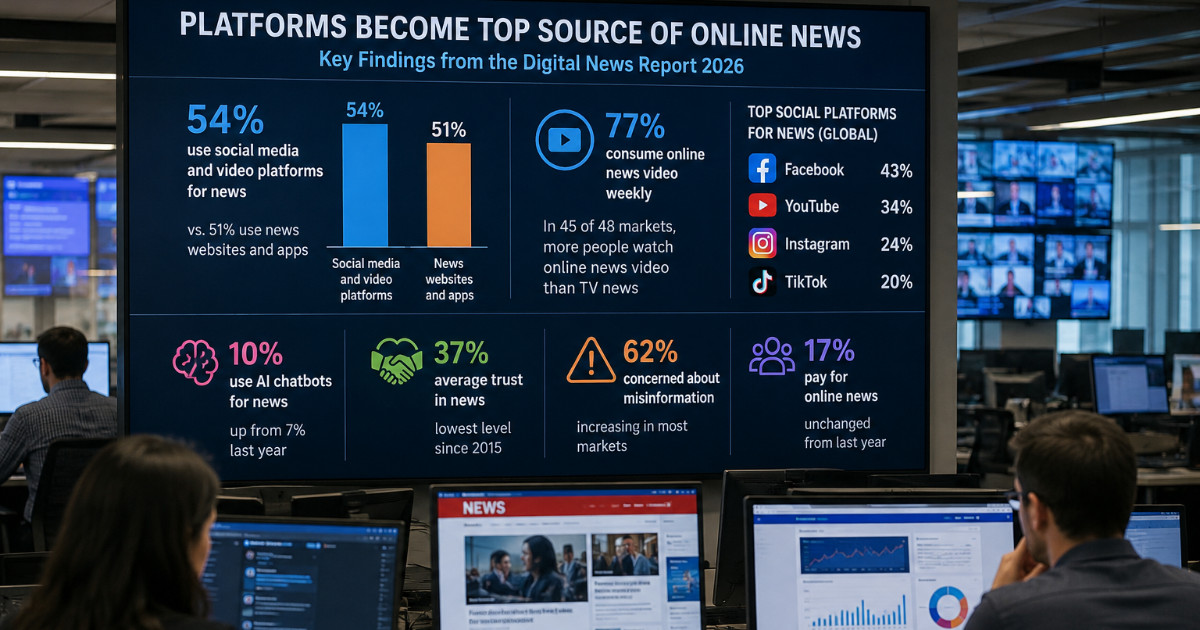
WHY THIS MATTERS: For Pakistani journalists and media professionals, Indonesia’s social media restrictions signal an emerging global trend of governments taking assertive regulatory control over digital platforms and youth access. Media outlets and newsrooms in Pakistan may need to prepare for similar debates around platform liability, youth protection versus digital rights, and how changes in platform access could reshape news consumption patterns among younger audiences. The policy also raises questions about platform compliance, age verification challenges, and implications for audience measurement in digital reporting.
ATTRIBUTION: Information cited from publicly available reporting by AP News (March 28, 2026) and Reuters (March 27, 2026).
PHOTO: AI‑generated; for illustrative purposes only.
Key Points
- Enforcement began March 28 under a government regulation banning under-16s from major social and digital platforms.
- Targets include YouTube, TikTok, Facebook, Instagram, X and Roblox, among others deemed high-risk.
- Platforms must ensure under-16 accounts are deactivated or restricted while working with regulators on compliance mechanisms.
- The government cites risks such as exposure to pornography, cyberbullying, online scams and addictive design features.
- Analysts and parents question implementation details like age verification and handling of existing child accounts amid phased enforcement.
Key Questions & Answers
Which platforms are affected?
The regulation targets major social and digital platforms deemed high-risk, including YouTube, TikTok, Facebook, Instagram, X and Roblox.
When did enforcement begin?
Enforcement began on March 28; implementation is expected to be phased as companies align with the rules.
How must platforms comply?
Platforms are required to deactivate or restrict accounts belonging to users under 16 and to work with Indonesian regulators on compliance mechanisms.
Why did the government introduce the ban?
Officials say the measure aims to protect children from pornography, cyberbullying, scams and features that may harm mental health.
Ask AI: Understand this story your way
AI EnabledDig deeper, ask anything — get instant context, background, and clarity.
Disclaimer: This feature is powered by AI and is intended to help readers explore and understand news stories more easily. While we strive for accuracy, AI-generated responses may occasionally be incomplete or reflect limitations in the underlying model. This feature does not represent the editorial views of JournalismPakistan. For our full, verified reporting, please refer to the original article.