
Israeli forces escalate attacks on Palestinian journalists in March
JournalismPakistan.com | Published: 8 April 2026 | JP Middle East Desk
Join our WhatsApp channel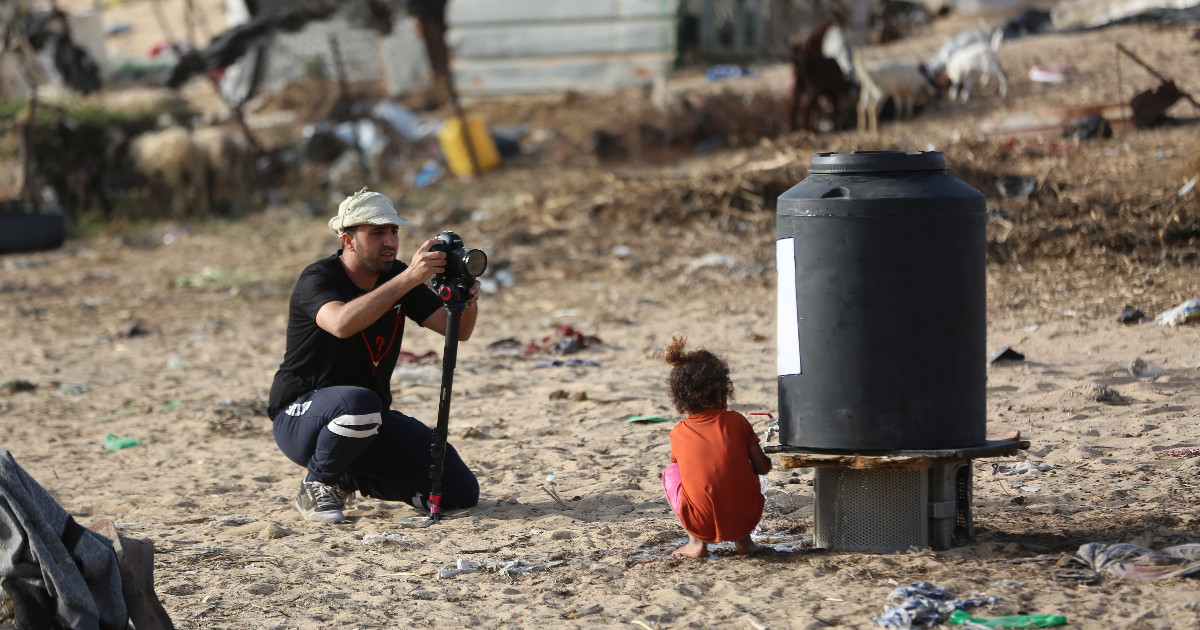
Palestinian Journalists' Syndicate recorded 53 violations in March 2026 by Israeli forces, citing killings, detentions, assaults and equipment seizures. The monthly report says the abuses occurred across Gaza, the West Bank and East Jerusalem.Summary
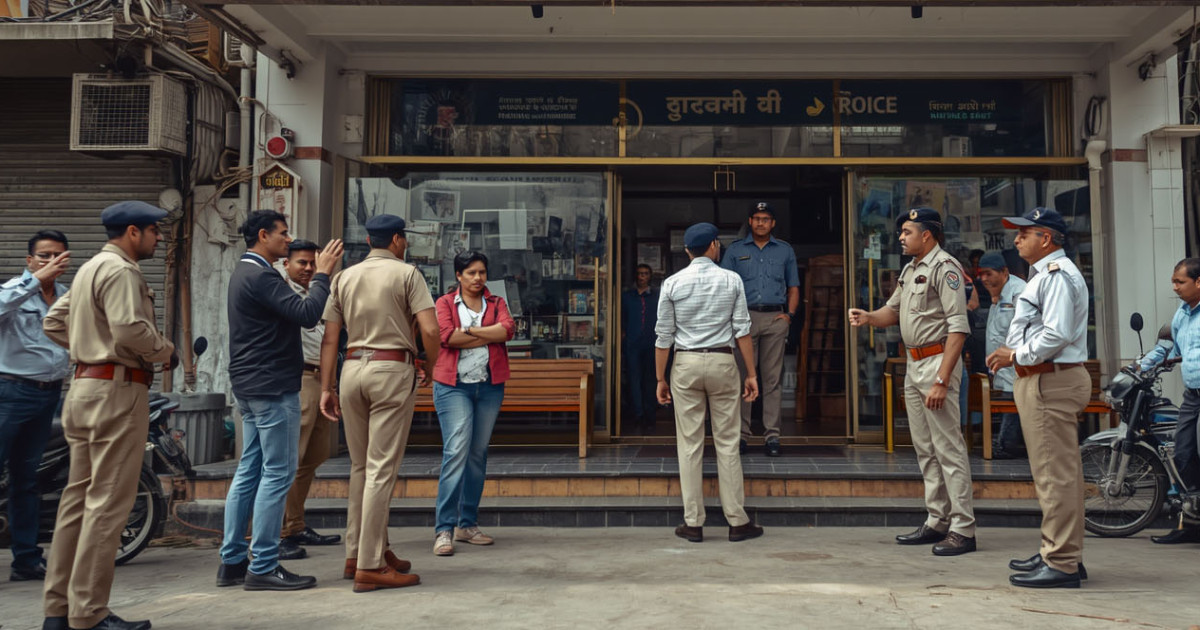
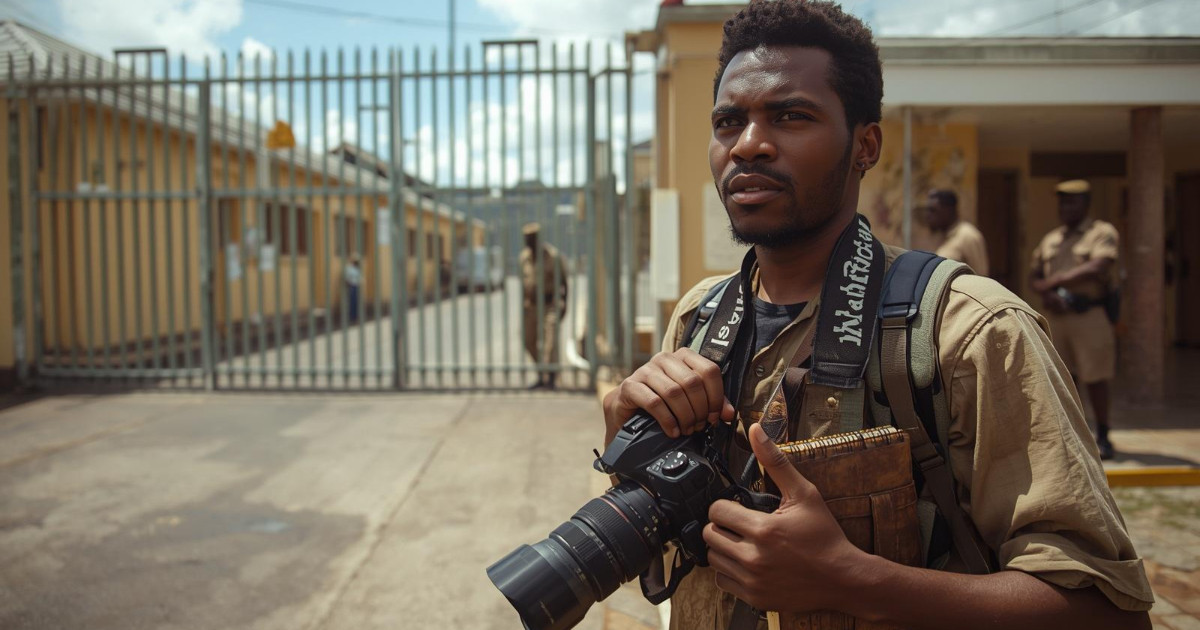
RAMALLAH — The Palestinian Journalists’ Syndicate said on Tuesday that it documented 53 violations by Israeli military and security forces against Palestinian journalists and media workers during March 2026, underscoring what it called a systematic escalation in pressure on the press in the occupied territories. The monthly report released by the syndicate’s Freedoms Committee details a range of abuses, including killings, detentions, assaults, equipment losses, and obstructions to coverage.
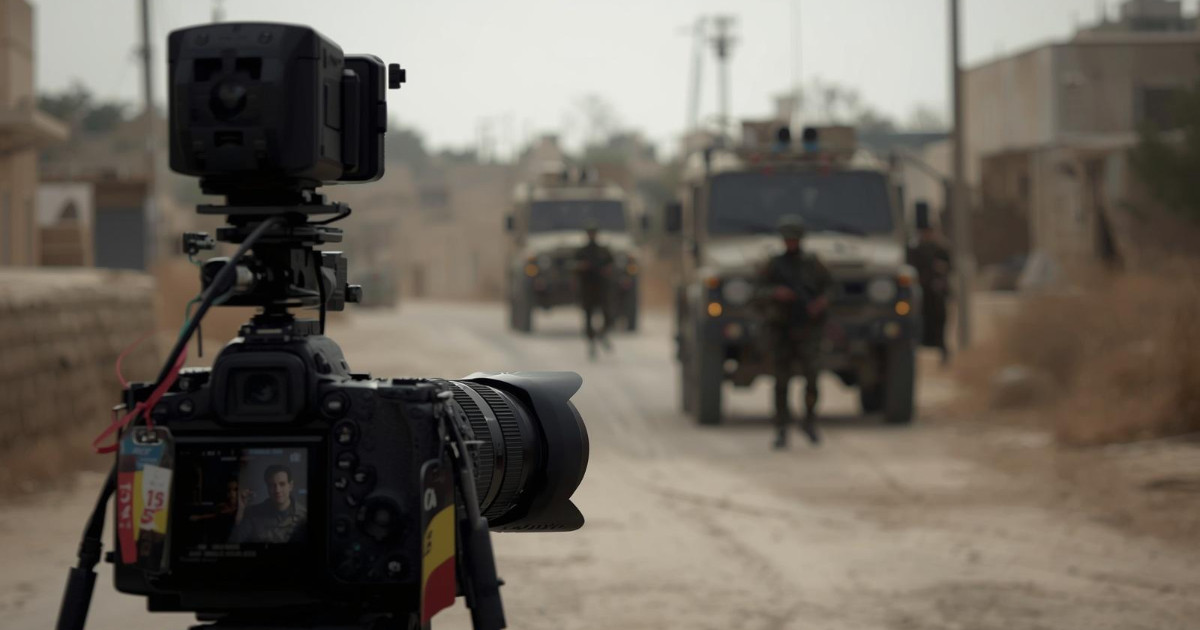
The syndicate said two journalists were killed during the reporting period and dozens more faced impediments while trying to report on events across the Gaza Strip, the West Bank, and East Jerusalem, as rising tensions and periodic clashes between Israeli forces and Palestinian groups continued.
Escalation in targeting journalists continues
According to the syndicate’s monthly tally, among the 53 recorded violations were at least 12 cases of detention or prevention from covering events, eight incidents of direct targeting with tear gas or stun grenades, and eight cases of physical assault against journalists in the field. The report also documented seven instances of confiscation or destruction of journalistic equipment, six arrests, four raids on journalists’ homes, and two separate cases of verbal threats and interrogation.
These figures align with a broader pattern of sustained harassment and violence faced by Palestinian media workers since 2023, which continues to make reporting arduous and dangerous. Rights groups and press freedom advocates have repeatedly warned that the targeting of journalists undermines independent coverage of civilian suffering, human rights concerns, and ongoing political developments.
Pattern reflects broader press freedom challenges
The Palestinian Journalists’ Syndicate’s report comes amid broader data showing that press freedom violations in the region have been both persistent and severe. Independent monitoring by international organizations such as the Committee to Protect Journalists (CPJ) has noted high numbers of journalist casualties and attacks in recent years, particularly linked to conflict zones, including Gaza.
Press freedom groups have described a climate in which journalists, many operating in volatile front‑line environments, face threats not only from direct conflict but also from enforcement actions that impede their ability to report freely and safely.
The syndicate urged international media bodies, rights organizations, and press freedoms advocates to call for accountability, enhanced protections for journalists, and independent investigations into abuses. It characterized the pattern of violations as part of a systematic effort to silence Palestinian voices and obstruct independent reporting from the occupied territories.
WHY THIS MATTERS: This development matters to Pakistani journalists because it highlights the ongoing risks media professionals face in conflict zones, including threats to safety, detention, and interference with coverage. It underscores the importance of international standards for journalist protection, which Pakistani media organizations can reference when advocating for press freedom and safety protocols in high‑risk reporting environments. It also illustrates how systematic documentation of abuses by professional unions strengthens global awareness and accountability.
ATTRIBUTION: Reporting by JournalismPakistan, based on publicly available reports by the Palestinian Journalists’ Syndicate (April 8) and additional press sources.
PHOTO: By hosny salah from Pixabay
Key Points
- The syndicate reported 53 violations against Palestinian journalists and media workers in March across Gaza, the West Bank, and East Jerusalem.
- Two journalists were killed during the reporting period, and dozens faced impediments while trying to report.
- At least 12 cases involved detention or prevention from covering events; six arrests and four home raids were recorded.
- There were eight incidents of direct targeting with tear gas or stun grenades and eight physical assaults on reporters in the field.
- Seven instances of confiscation or destruction of journalistic equipment and multiple obstructions to coverage were documented.
Key Questions & Answers
What did the syndicate report for March 2026?
It reported 53 violations against Palestinian journalists and media workers, detailing killings, detentions, assaults, equipment losses and obstructions.
Were any journalists killed?
Yes, the syndicate recorded two journalist deaths during the reporting period.
Where did the incidents occur?
The abuses were recorded across the Gaza Strip, the West Bank and East Jerusalem.
What types of violations were documented?
The report lists detentions, arrests, physical assaults, direct targeting with crowd-control munitions, raids on homes and confiscation or destruction of equipment.
Relevant Topics
Ask AI: Understand this story your way
AI EnabledDig deeper, ask anything — get instant context, background, and clarity.
Disclaimer: This feature is powered by AI and is intended to help readers explore and understand news stories more easily. While we strive for accuracy, AI-generated responses may occasionally be incomplete or reflect limitations in the underlying model. This feature does not represent the editorial views of JournalismPakistan. For our full, verified reporting, please refer to the original article.