
In Pakistan killers of journalists are not held to account, thus remain free: PPF
JournalismPakistan.com | Published: 1 November 2016
Join our WhatsApp channel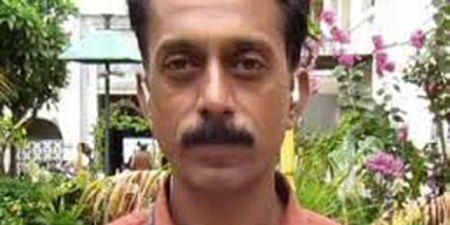
The Pakistan Press Foundation's report reveals the alarming rate of violence against journalists in Pakistan, where attackers often go unpunished. It calls for stronger legal measures and accountability to protect media professionals.Summary
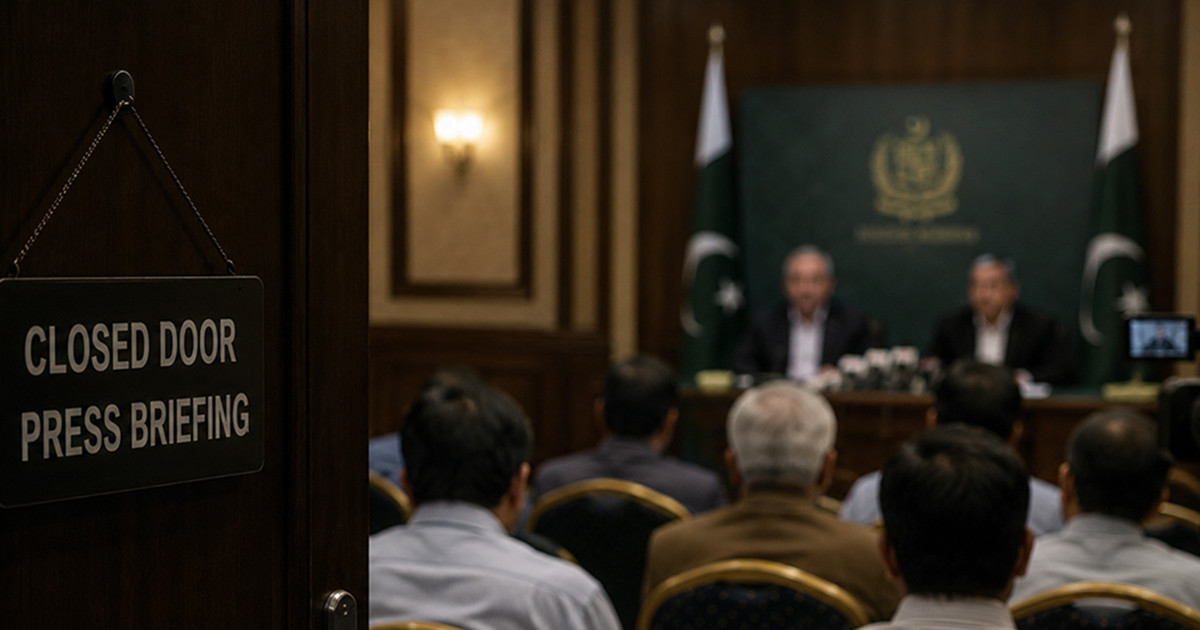
ISLAMABAD: A report released Tuesday by Pakistan Press Foundation (PPF) documents the alarming situation that those who attack, injure or even murder journalists in Pakistan are rarely held to account and thus remain free.
The report titled “Justice delayed AND justice denied” to commemorate the International Day to End Impunity for Crimes Against Media that falls on November 2, has documented 47 cases of media personnel being targeted and murdered and another 25 killed since 2002 while pursuing their duties.
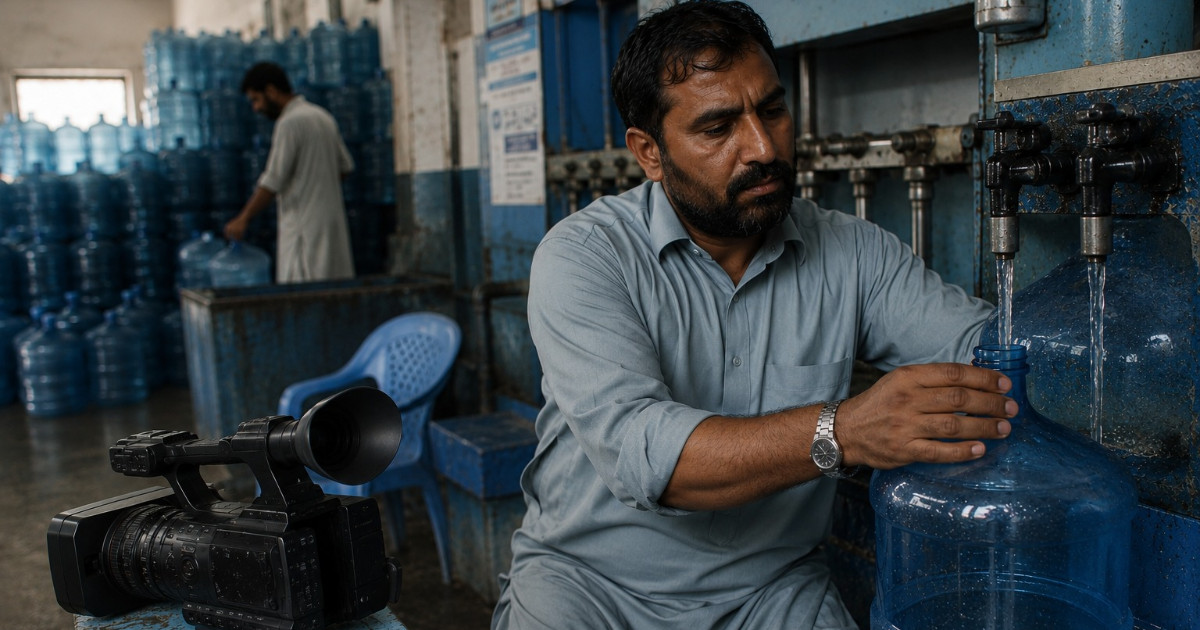
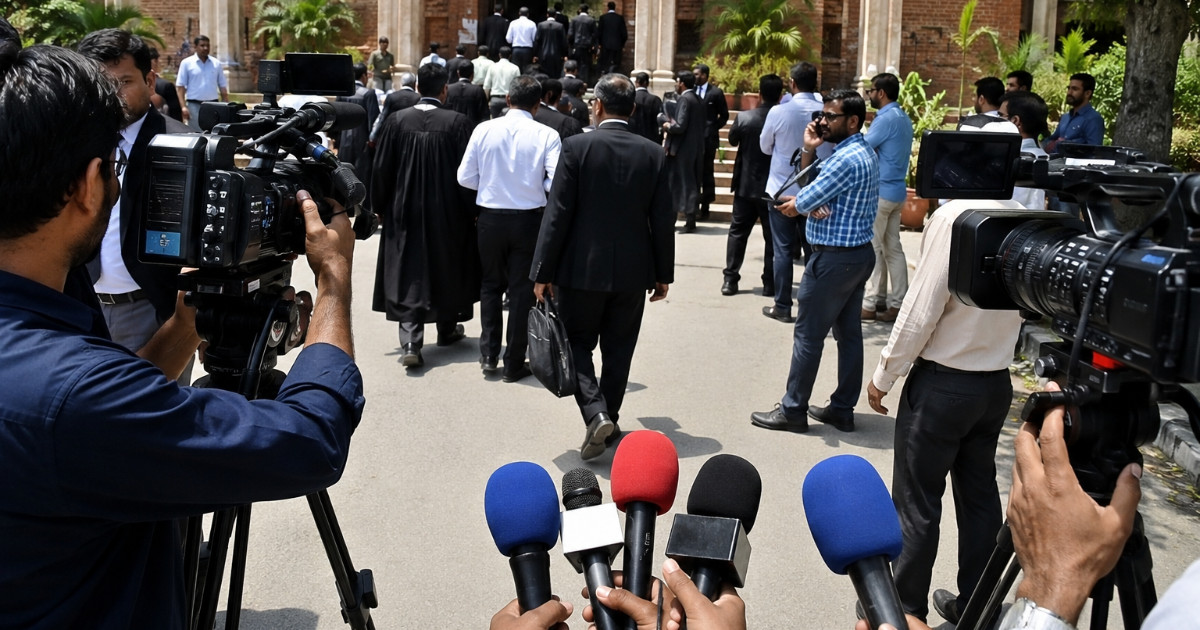
In addition, 185 media personnel were injured, 88 assaulted, 22 abducted and 42 were detained during the same period. In 2016, two cameramen were killed in a suicide attack while covering a lawyers' protest in Quetta. In addition, 16 media practitioners were injured while covering events for their media organizations, and one media executive was abducted in Peshawar.
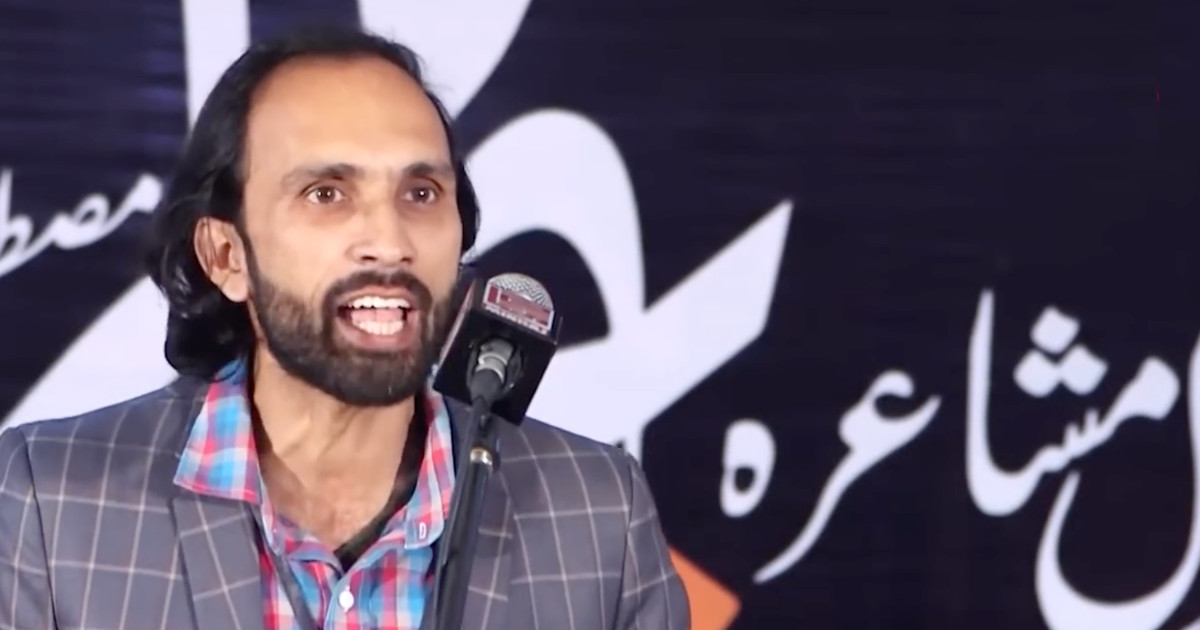
The report also expressed concern that the murder of journalist Shan Dahar (pictured) has not been re-investigated despite the passage of over six months since the Inspector General of Sindh Police ordered the reopening of the case.
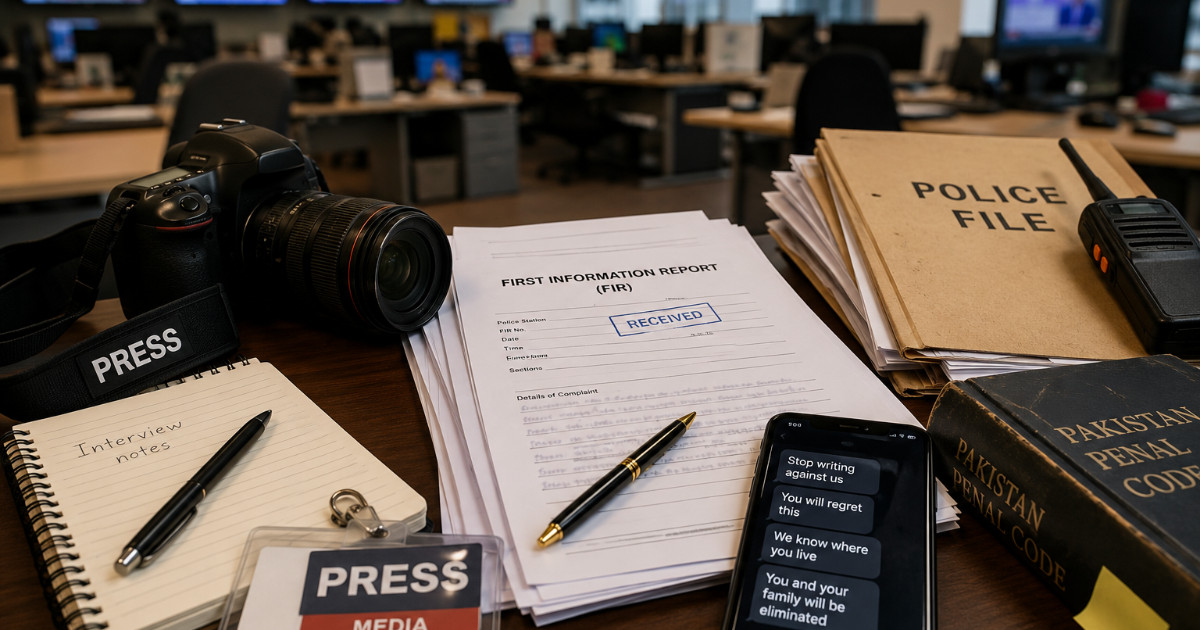
In Pakistan journalists are murdered, killed, detained, abducted, harassed and threatened by law enforcement and intelligence agencies, militants, tribal elders and feudal lords, and even political and religious parties that claim to promote democracy and the rule of law. Media houses and media persons are not only being targeted but threatened, pressurized, intimidated and harassed by state and non-state elements.
Of the 72 cases of killing of media practitioners since 2002, there have been convictions in only five cases. The report states that lack of interest by the federal and provincial governments as well as employers in pursuing legal cases of violence against journalists is the main reason to the unacceptably high level of impunity. The cases languish in courts for years before they are closed for non-prosecution.
The federal and provincial governments in Pakistan have not done anything beyond paying lip service to promote safety of media professionals and institutions.
The draft of much publicized media safety bill at the federal level is not only woefully inadequate but seems to be stuck because of procedural and bureaucratic hurdles Most of the media personnels in Pakistan belong to middle class and do not have the financial or social power to stand up against powerful people who have killed or injured their loved ones.
This problem is further exacerbated by the fact that in Pakistan almost all crimes, including murder, can be withdrawn if the assailants or family members reach a compromise after payment of blood money. PPF has so far documented four cases of murder of journalists where court proceedings were withdrawn because of agreements between the accused and families of the victims.
Threats and violence have forced many journalists to move from these conflict areas and to leave the profession or to resort to self-censorship, particularly in conflict areas. Thus, new reports that are published or broadcast lack credibility and do not inform the public in an objective manner.
The report recommends that criminal cases should not only be registered but should also be properly investigated and prosecuted against the perpetrators of violence against the media. It also recommends special prosecutors on violence against media should be established at federal and provincial level to investigate cases of violence against media.
It called on the media institutions to take the lead in ensuring safety of media practitioners by ensuring legal follow up of cases of crimes against media professionals.- NNI
Key Points
- 47 journalists targeted and murdered since 2002
- Only 5 convictions in 72 cases of journalist killings
- Lack of government action contributes to high impunity
- Many journalists face threats and violence, leading to self-censorship
- Recommendations include establishing special prosecutors for media violence
Relevant Topics
Ask AI: Understand this story your way
AI EnabledDig deeper, ask anything — get instant context, background, and clarity.
Disclaimer: This feature is powered by AI and is intended to help readers explore and understand news stories more easily. While we strive for accuracy, AI-generated responses may occasionally be incomplete or reflect limitations in the underlying model. This feature does not represent the editorial views of JournalismPakistan. For our full, verified reporting, please refer to the original article.