
High Court confirms forensic finding, remands Matiullah Jan case to trial
JournalismPakistan.com | Published: 19 February 2026 | JP Staff Report
Join our WhatsApp channel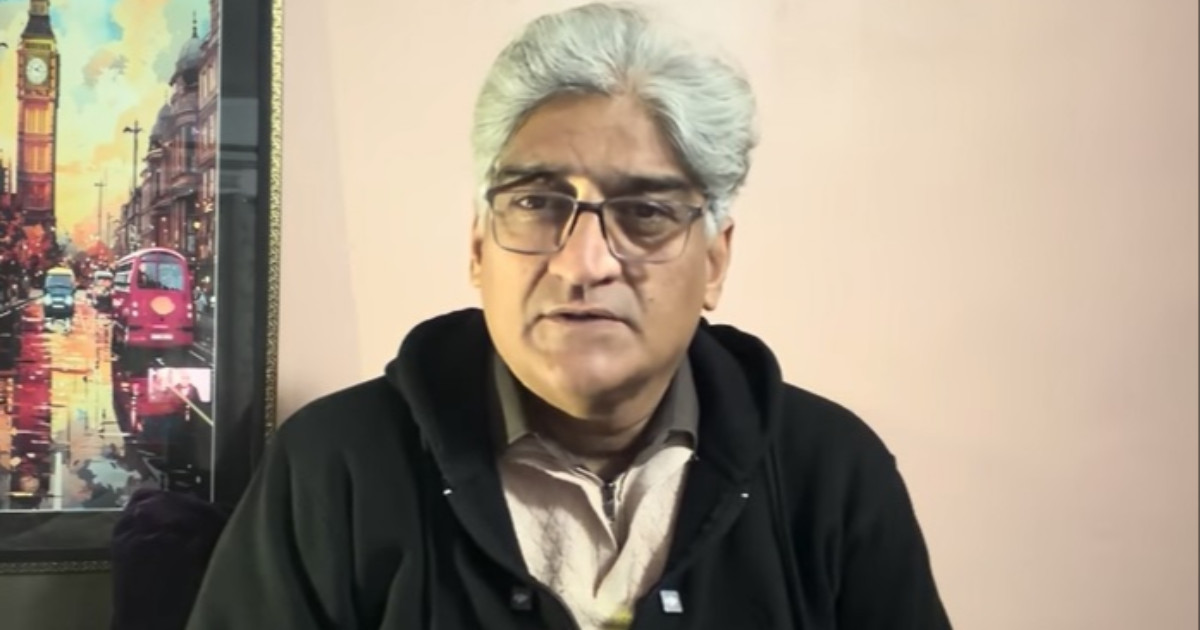
The Islamabad High Court accepted a Punjab Forensic Laboratory finding that the substance seized in Matiullah Jan's case is not methamphetamine, questioned the narcotics charge's basis, remanded the matter to the trial court and ordered a supplementary challan.Summary
ISLAMABAD — Senior journalist Matiullah Jan secured a crucial forensic report in his long-running narcotics and terrorism case, with the Punjab Forensic Laboratory determining that the material alleged to be narcotics is not crystal meth, a development presented before the Islamabad High Court (IHC) on Thursday.
The bench of Justice Arbab Tahir and Justice Inam Amin Minhas noted that if the laboratory report excludes narcotics, the basis for framing that charge is undermined, and remanded the matter back to the trial court with instructions for the government to file a supplementary challan.
The High Court’s consideration of this new forensic evidence marks a significant shift in procedural dynamics, as the prosecution previously struggled to present credible chemical analysis supporting its claims in the case that also involves terrorism-related charges.
Forensic report casts doubt on narcotics allegation
The Punjab Forensic Laboratory concluded that the seized substance linked to Jan is not “ice” or methamphetamine, a finding that directly challenges the government's narrative underpinning the narcotics charge. With this rebuttal, the High Court questioned whether framing such a charge was tenable in the absence of verified evidence.
Moreover, Jan’s legal team has consistently argued that there was no video or CCTV evidence of any alleged drug recovery, a point under scrutiny in separate proceedings, and the new laboratory findings may reduce the likelihood of narcotics charges being sustained at trial.
اللہ تعالیٰ کا شکر ھیکہ میرے پر منشیات سمگلنگ کے الزامات جھوٹے ثابت ہو گئے ہیں، اسلام آباد ہائی کورٹ میں آج پیش کردہ پنجاب فارنزک لیباریٹری کی رپورٹ میں انکشاف ہوا ھیکہ میرے سے مبینہ مبینہ طور پر برآمد شدہ مواد منشیات یا آئس نہیں ہے
— Matiullah Jan (@Matiullahjan919) February 19, 2026
جسٹس ارباب طاہر اور جسٹس انعام امین منہاس پر… pic.twitter.com/Mf0kRpgSOd
Case remanded, supplementary challan ordered
After review of the forensic report, the High Court returned the case to the trial court and directed the federal government to file a supplementary challan that aligns with the updated evidence. The court’s decision does not quash the case outright but requires the prosecution to reframe its legal strategy based on verified lab findings.
Jan, who has been fighting the charges with a team including Advocates Iman Mazari, Hadi Ali Chatha, Ali Ashfaq, Barrister Abdul Qadir, and others, took to X (formerly Twitter) to express gratitude first to his legal counsel and to political figures who publicly challenged the charges as fabricated after his arrest. His core assertion is that the original case was “fake” and politically motivated.
Context and ongoing legal battle
The case has been one of the most high-profile legal battles involving a media figure in Pakistan, originating from a 2024 incident in which an FIR alleged that Jan rammed a vehicle into police, snatched a rifle, and was found in possession of narcotics. That FIR invoked both narcotics and terrorism laws. Prosecution has repeatedly been forced to seek extensions to submit lab evidence, and defence lawyers have challenged the absence of critical corroborating proof while spotlighting procedural shortcomings in the case’s record.
WHY THIS MATTERS: For Pakistani media professionals and newsrooms, this development underscores the critical role of verified forensic evidence in cases involving journalists. It highlights how the judicial process can serve as a check on unsubstantiated legal actions against media figures and emphasises the importance of due process and evidence standards in safeguarding press freedom and professional integrity.
ATTRIBUTION: Reporting compiled from Express.pk, Pakistan Today, and Journalism Pakistan coverage of proceedings in the Islamabad High Court and related developments in the Matiullah Jan case.
PHOTO: A screenshot from Matiullah Jan's official YouTube channel.
Key Points
- The Punjab Forensic Laboratory concluded the seized material is not methamphetamine.
- The Islamabad High Court found the narcotics charge undermined and remanded the case to the trial court.
- The court instructed the government to file a supplementary challan addressing the new evidence.
- Prosecution previously lacked credible chemical analysis supporting the narcotics allegation.
- Defense has maintained there is no video or CCTV evidence of any alleged drug recovery.
Key Questions & Answers
What did the Punjab Forensic Laboratory find?
The laboratory concluded the seized substance linked to Matiullah Jan is not methamphetamine.
What action did the Islamabad High Court take?
The court remanded the case to the trial court and ordered the government to file a supplementary challan.
How does the report affect the narcotics charge?
The forensic finding casts doubt on the basis for framing a narcotics charge in the absence of verified chemical evidence.
Did the defence raise other evidentiary issues?
Yes; Jan's legal team has consistently argued there was no video or CCTV evidence of any alleged drug recovery.
Ask AI: Understand this story your way
AI EnabledDig deeper, ask anything — get instant context, background, and clarity.
Disclaimer: This feature is powered by AI and is intended to help readers explore and understand news stories more easily. While we strive for accuracy, AI-generated responses may occasionally be incomplete or reflect limitations in the underlying model. This feature does not represent the editorial views of JournalismPakistan. For our full, verified reporting, please refer to the original article.