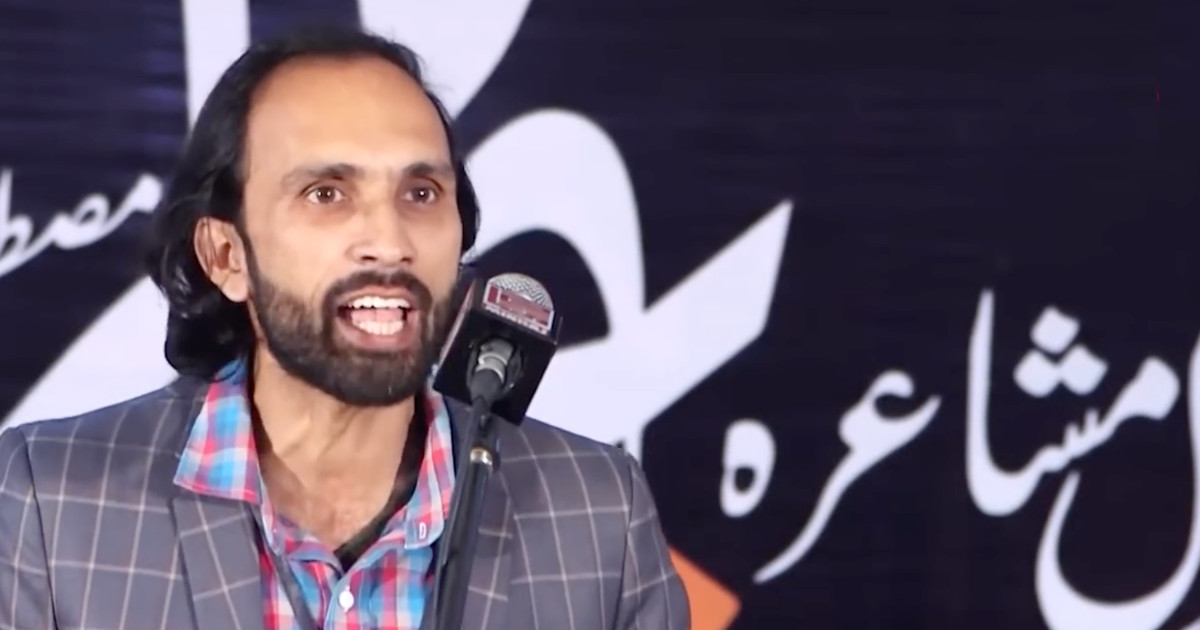

Haji Pajir Gul: I will quit journalism only when I die
JournalismPakistan.com | Published: 22 January 2018 | Myra Imran & Imran Naeem Ahmad
Join our WhatsApp channel
Haji Pajir Gul, a dedicated journalist from North Waziristan, shares his journey and struggles after being displaced due to military operations. Despite the risks, he expresses his unwavering passion for journalism.Summary
This story is one of 10 case studies highlighting the economic condition of slain journalists’ families and the displaced reporters. Journalist Myra Imran traveled to remote and high-risk districts in Khyber Pakhtunkhwa and FATA to interview family members, their relatives, displaced journalists, and office-bearers of press clubs and journalist unions. The stories are part of a field study report Surviving the Story, launched on January 8, 2018, a collaborative initiative of JournalismPakistan.com and Communications Research Strategies (CRS).
For Haji Pajir Gul practicing journalism in the militant-infested North Waziristan wasn’t without hazards. A hand grenade was hurled into his home and a rocket fired after a group got upset over a story in Mashriq newspaper which he had not filed.
Again his house got hit by a rocket following a skirmish between the security forces and the Taliban. “These are the kind of problems you face when reporting out of North Waziristan,” says Gul, who works for a string of organizations including DawnNews and ARY.
He had to leave his hometown of Miranshah in the summer of 2014 after the authorities announced the start of a military operation against the militants holed up in the region. Given three days to pack up and leave, Gul left behind a running stationery, books, and sports merchandise business. “It was impossible to take all your belongings along at such short notice.”
He along with his family headed to Bannu, a one-hour drive from Miranshah. That day, since everyone was streaming out it took them 16 hours to get to their destination. “We had to walk in between; there was no water, no food and the children were crying. It took many people 24 hours and some even two days to reach their destination,” recalls Gul. “There were people barefoot, having left hurriedly, fearing for their lives.”
The displacement brought him to Peshawar where the accommodation is “like a jail” and survival is an everyday struggle. Everyone longs to go back to the “big house” as a child in the family refers to their residence in Miranshah.
No one stepped forward to help. “The Peshawar Press Club did nothing nor did the journalist unions. I also made no contact with them knowing they had not assisted anyone else. Even the news organizations Gul worked for did not extend any assistance, except for Dawn.”
Luckily for him though, he was among journalists from North Waziristan whom the governor gave Rs50,000 each during a jirga. Later, Rs150,000 came through property magnate Malik Riaz.
Journalism is Gul’s passion. It is in his genes. He has been in the profession for 30 years. One of his sons is a journalist with The Express Tribuneand ExpressNews Television while the other one works for 92 News TV and Nai Baat newspaper. His brother is with Samaa TV and Reuters while the elder one used to work for The News.
“I find journalism very interesting, people in offices are afraid of you,” he says wearing a broad smile. But he admits it is hard to make ends meet through journalism only.
In such remote regions where the majority of journalists do not get paid at all, Gul draws a regular salary from Dawn and ARY. He also reports for Aaj, Nawa-i-Waqt, Ausaf, Mashriq, and AFP.
Gul, who wears a turban in typical tribal style and sports a beard, points to the perilous environment they all have to work in. He believes journalists in conflict zones must be paid much more than those working out of settled regions. “We provide information to reporters in districts and they get it sitting in the comfort of their offices.”
It is unlikely that Gul will go back to Waziristan anytime soon. “The place where we live is close to Miranshah bazaar. It hasn’t been cleared by the authorities.” Many houses and markets are in rubbles following the extensive and successful military operation in the region. “The authorities tell us they will build the markets before we are allowed back in.”
Gul suffered massive losses. He owned a market in Miranshah that had 17 shops, besides the stationery business he ran. Ten days before the military operation began he had brought fresh stocks ahead of Ramzan.
He has gone back to North Waziristan a couple of times and found half of his belongings missing from his home, which he says is still livable. “No one knows who took them.”
Gul suggests the government build a media colony for displaced journalists and extend financial help to them, besides providing education and healthcare to children of journalists who get killed.
Life for Gul continues to be tough but his love for journalism is showing no signs of waning. “My heart is in it, he says; I will not quit; I will do so only when I die,” he says laughing out loud.
Key Points
- Haji Pajir Gul faced severe risks while reporting from North Waziristan.
- He and his family were displaced due to military actions and faced many hardships.
- Gul highlights the lack of support for displaced journalists from organizations.
- He has been in the journalism field for 30 years, drawing a regular salary.
- Gul advocates for better pay and support for journalists in conflict zones.
Relevant Topics
Ask AI: Understand this story your way
AI EnabledDig deeper, ask anything — get instant context, background, and clarity.
Disclaimer: This feature is powered by AI and is intended to help readers explore and understand news stories more easily. While we strive for accuracy, AI-generated responses may occasionally be incomplete or reflect limitations in the underlying model. This feature does not represent the editorial views of JournalismPakistan. For our full, verified reporting, please refer to the original article.