.jpg)
Why young Pakistanis are abandoning prime‑time TV talk shows
JournalismPakistan.com | Published: 21 March 2026 | JP Special Report
Join our WhatsApp channel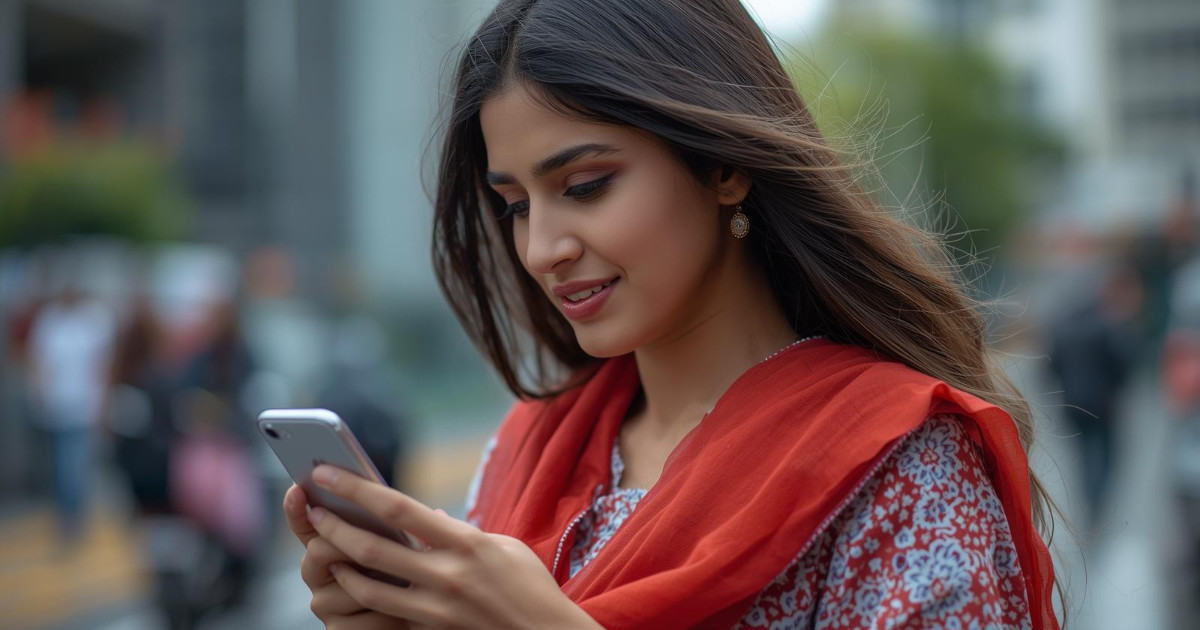
Gallup Pakistan's 2025 report finds that younger Pakistanis are leaving evening TV talk shows for smartphones and digital platforms; 54 percent now own smartphones versus 46 percent televisions. Gen Z favors on‑demand clips and social media for political news.Summary
ISLAMABAD — Pakistan’s younger audiences are increasingly turning away from traditional prime‑time television talk shows, opting instead for digital and on‑demand news formats, according to the latest 2025 Gallup Pakistan Media Habits report. The survey shows that smartphones now surpass TV ownership among Pakistanis, with 54% owning smartphones compared with 46% owning televisions, reflecting a generational shift in media consumption patterns.
The shift is also driven by perceptions of bias and lack of credibility in political talk shows. Many young viewers report that TV debates and panels feel repetitive, opinionated, and disconnected from issues they care about. Analysts suggest that the combination of digital accessibility and skepticism toward traditional news formats is fundamentally reshaping Pakistani media habits.
Changing viewing patterns among younger audiences
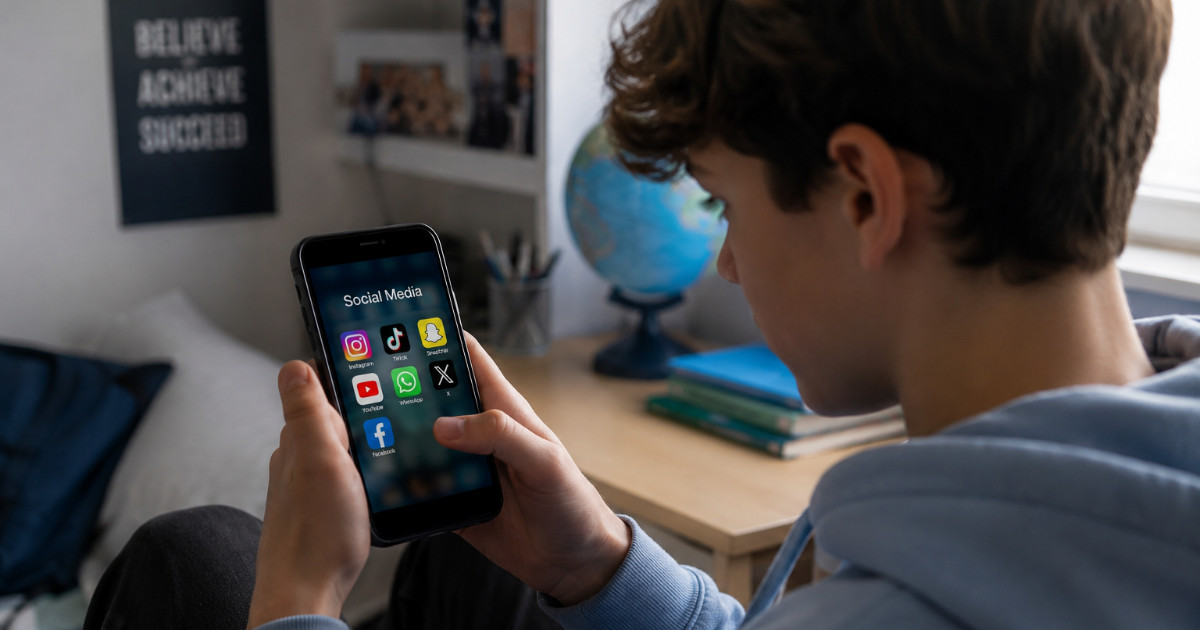
Among Gen Z viewers (ages 18–23), 62% now own smartphones, making mobile devices their primary source of news and information. Unlike older audiences who still tune in to scheduled evening broadcasts, younger viewers favor on-demand clips, live updates, and social media commentary, often outside the 6 pm–10 pm prime-time window. Platforms such as YouTube, Instagram, and Twitter are increasingly the main channels for political discourse and news consumption.
TV talk shows face rising competition from digital content
Traditional prime-time programs that once commanded large audiences are now losing ground. Broadcast networks report declining viewership among under-30s, even for established shows that had dominated debates on politics, economy, and social issues for years. This decline is prompting several media houses to experiment with hybrid content strategies, producing shorter clips, highlight reels, and social-friendly formats that can reach viewers on mobile devices while retaining their broadcast schedule.
Advertisers and newsroom implications
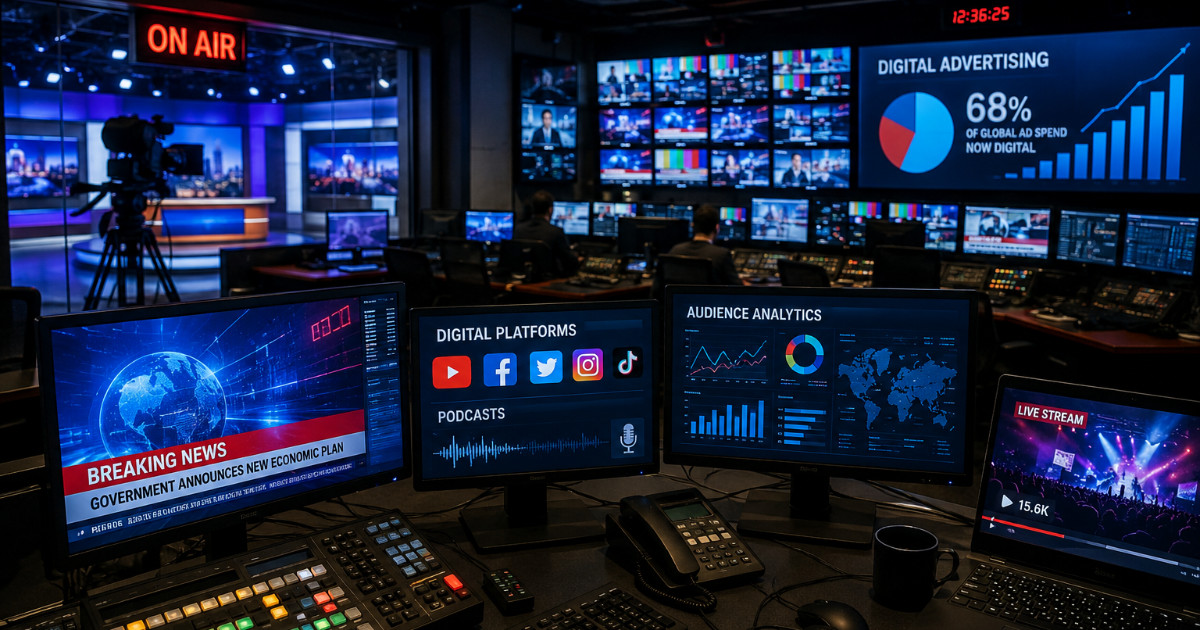
The shift has clear consequences for advertising strategies, audience engagement, and newsroom practices. Younger viewers’ preference for mobile-first content means that networks must rethink how to monetize their programming and maintain editorial impact. Media professionals note that failing to adapt to these consumption habits could accelerate audience erosion and reduce TV talk shows’ influence on public opinion. Meanwhile, digital-first platforms are attracting both attention and revenue as youth migrate online.
Broader cultural and political context
Experts also point out that these changes are not purely technological. They reflect broader cultural shifts in how young Pakistanis engage with information and debate. A growing appetite for bite-sized, mobile-accessible, and less partisan content is challenging traditional talk show formats that relied heavily on scripted debates and extended analysis. Networks that adjust to these expectations by integrating digital strategies, while maintaining journalistic standards, are likely to remain relevant in a media landscape increasingly dominated by on-demand and mobile-first audiences.
WHY THIS MATTERS: The 2025 Gallup data demonstrates that Pakistani media is undergoing a generational transformation. Journalists and news organizations must adapt editorial planning, content formats, and distribution strategies to engage younger viewers, or risk losing both credibility and audience share. The trend also highlights the increasing importance of mobile-optimized news, social media engagement, and innovative storytelling in maintaining influence and advertising revenue.
ATTRIBUTION: Data cited from the Gallup Pakistan Media Habits 2025 report and insights from a publicly available analysis published on LinkedIn (October 2025).
PHOTO: AI-generated; for illustrative purposes only
Key Points
- Smartphone ownership (54%) now exceeds television ownership (46%) across Pakistan.
- Among Gen Z (ages 18-23), 62% own smartphones and use them as the primary news source.
- Younger viewers prefer on‑demand clips, live updates and social media over scheduled 6pm-10pm broadcasts.
- Many cite perceived bias, repetition and lack of credibility in political talk shows as reasons for disengagement.
- Broadcast networks report declining viewership among under‑30s amid growing digital competition.
Key Questions & Answers
Why are young Pakistanis turning away from prime‑time TV talk shows?
They increasingly prefer smartphones and digital platforms for on‑demand content, and many report distrust of partisan, repetitive talk‑show formats.
How common are smartphones compared with televisions?
The 2025 Gallup Pakistan report shows 54% of Pakistanis own smartphones versus 46% who own televisions.
Which digital platforms are replacing TV for political news?
Viewers cite YouTube, Instagram and Twitter, along with short on‑demand clips and live updates, as primary channels for political discourse.
What effect is this shift having on broadcasters?
Networks are seeing declining viewership among under‑30s, facing competition from more accessible and targeted digital content.
Ask AI: Understand this story your way
AI EnabledDig deeper, ask anything — get instant context, background, and clarity.
Disclaimer: This feature is powered by AI and is intended to help readers explore and understand news stories more easily. While we strive for accuracy, AI-generated responses may occasionally be incomplete or reflect limitations in the underlying model. This feature does not represent the editorial views of JournalismPakistan. For our full, verified reporting, please refer to the original article.