.png)
When silence shapes the news we never see
JournalismPakistan.com | Published: 6 February 2026 | JP Staff Report
Join our WhatsApp channel
Reporters and editors often omit stories because of financial pressures, ownership and audience metrics, creating information gaps that reduce coverage of local governance, environmental regulation and labor issues. This narrows public accountability.Summary
ISLAMABAD — In newsrooms around the world, what is published each day represents only a fraction of what is known, observed, or investigated. Editorial decisions routinely determine which stories make headlines and which are held back. Increasingly, media scholars and press freedom organizations warn that omissions in coverage can be as consequential as the stories that dominate front pages.
Research from academic institutions and media monitoring groups has long shown that economic pressures, political constraints, ownership structures, and audience analytics influence editorial priorities. In many countries, declining newsroom resources have narrowed beats, reduced investigative capacity, and limited coverage of complex or rural issues that require time and funding.
The economics of omission
According to industry reports from the Reuters Institute for the Study of Journalism and other research bodies, global newsrooms have faced years of financial strain driven by declining print revenues and the migration of advertising to digital platforms. As a result, editors often prioritize stories that generate immediate audience engagement, sometimes at the expense of long-term investigative reporting.
This shift has measurable consequences. Media monitoring studies have documented underreporting of local governance, environmental regulation, and labor issues in regions where newsroom staffing has declined. Scholars describe this phenomenon as “news deserts” or “information gaps,” where communities receive limited coverage of civic institutions and public accountability.
Political pressure and self-censorship
In addition to financial factors, documented cases from press freedom groups such as the Committee to Protect Journalists and Reporters Without Borders show that legal threats, regulatory pressure, and informal intimidation can shape editorial decisions. Journalists in restrictive environments may avoid certain topics to reduce risk to themselves or their organizations.
Self-censorship, while difficult to quantify, is widely acknowledged in surveys of journalists conducted by academic institutions and media watchdogs. In such cases, silence is not accidental but strategic. Topics such as corruption investigations, security policy, or corporate influence may receive less attention where legal frameworks are punitive or opaque.
Digital platforms and algorithmic influence
The growth of social media and search engines as primary gateways to news has also altered what is visible. Platform algorithms prioritize content based on engagement metrics, influencing newsroom strategies and shaping audience exposure. Research from technology policy institutes has shown that algorithmic ranking can amplify certain narratives while marginalizing others, particularly complex policy debates that attract less immediate engagement.
Editors increasingly rely on real-time analytics dashboards to track readership behavior. While such tools provide valuable audience insights, media analysts caution that overreliance on engagement data may unintentionally discourage coverage of slower, investigative, or policy-focused reporting.
Silence as a structural issue
Experts emphasize that omissions are not always the result of direct censorship. Structural constraints, resource limitations, and commercial incentives can gradually narrow the scope of coverage. When entire beats disappear or specialized reporters are reassigned, certain subjects fade from public conversation without formal bans or directives.
The implications extend beyond newsroom operations. Public understanding of governance, health policy, climate risk, and economic reform depends on sustained, in-depth reporting. When those areas receive limited coverage, accountability mechanisms may weaken, according to peer-reviewed media research.
WHY THIS MATTERS: Pakistani media organizations operate within similar financial and regulatory pressures, making strategic editorial prioritization critical. Understanding how economic incentives and digital metrics shape omissions can help newsrooms design coverage strategies that preserve investigative depth. Strengthening beat reporting and diversifying revenue models may reduce the risk of unintentional information gaps.
ATTRIBUTION: Reporting draws on publicly available research and analysis from the Reuters Institute for the Study of Journalism, Committee to Protect Journalists, Reporters Without Borders, and peer-reviewed academic studies on media economics and digital platforms.
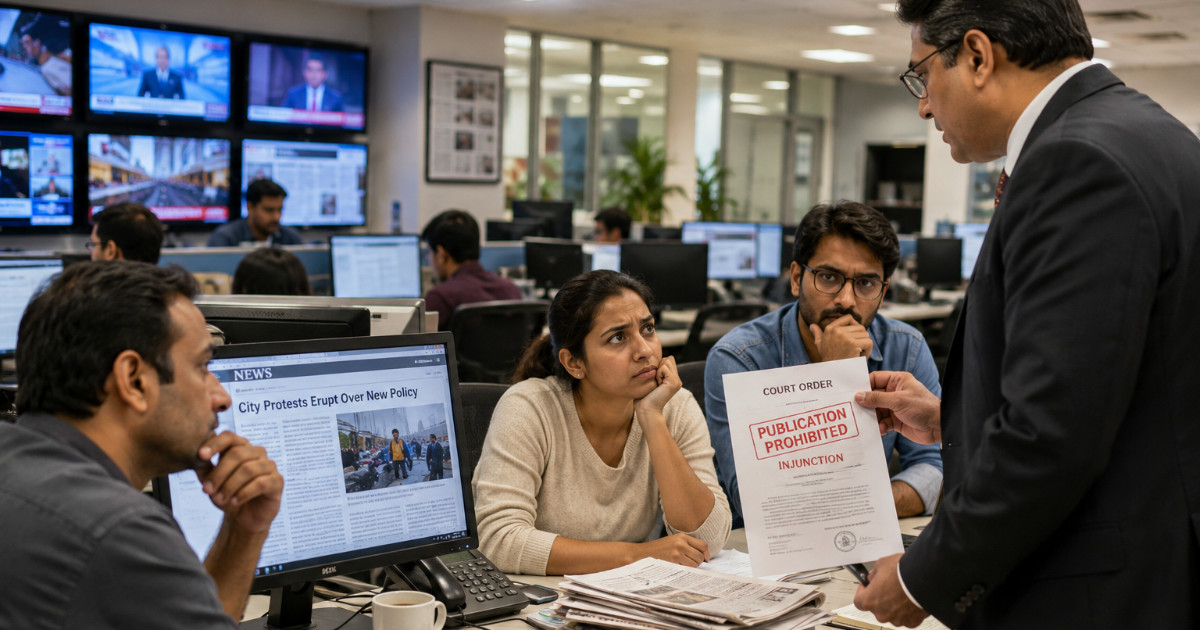
PHOTO: AI-generated; for illustrative purposes only.
Key Points
- Financial strain drives editors to prioritize engagement over long investigations.
- Reduced staffing narrows beats and weakens investigative capacity.
- Omissions create 'news deserts' and information gaps in communities.
- Ownership, political pressures and audience metrics shape coverage choices.
- Local governance, environmental regulation and labor issues are often underreported.
Relevant Topics
Ask AI: Understand this story your way
AI EnabledDig deeper, ask anything — get instant context, background, and clarity.
Disclaimer: This feature is powered by AI and is intended to help readers explore and understand news stories more easily. While we strive for accuracy, AI-generated responses may occasionally be incomplete or reflect limitations in the underlying model. This feature does not represent the editorial views of JournalismPakistan. For our full, verified reporting, please refer to the original article.