
What does the ban on Ansar mean?
JournalismPakistan.com | Published: 14 August 2012 | Z B Saigol
Join our WhatsApp channel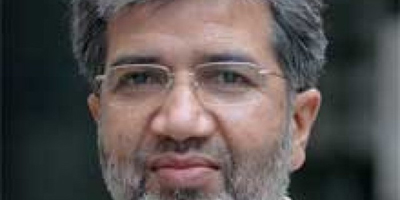
The article discusses the ban on journalist Ansar Abbasi and its implications for media freedom in Pakistan. It highlights the challenges of discerning truth in a media landscape influenced by various agendas.Summary
KARACHI: Let me make it very clear from the outset that I’m all for free media; it is our fundamental right to be informed and be aware of what is happening in our nation and other nations around the world. We need to know the truth and the media should be there to report it in its entirety.
The question though is… what is the truth?
We seem to have several interpretations of it in our media which has quite obviously become the vehicle for several ideological and political agendas. This is not only troubling, but also not acceptable.
Ours is not a free media.
Indeed our media has more twists and turns than a jalebi and it is censored and manipulated by politicians, religious organizations, media house managements and even anchors and journalists in a bid to make it conform to whatever fits the need.
Reporting has been overtaken by opinion. Facts have been ignored for interpretations and conspiracy theories. The truth was hoofed out the door several years ago with the advent of cable TV, cable operators and the rat race syndrome also known as program ratings.
There has been a clear lack of responsibility on the part of all players, including the viewers, for letting matters get so out of hand. We have let half truths and unconfirmed reports, biased and hate filled opinions; obviously slanted and planted content, dangerous propaganda and pandering to hypocrites and their agendas go on for much too long.
The Fifth Pillar of the nation needs to stand up for itself.
PEMRA has to step up its game and know what it’s doing.
The courts should not be dragged into media affairs.
Media house managements need to take responsibility for content.
The media has to be honest, accountable and work according to the ethics that govern the profession.
Viewers need to be more proactive and savvy.
Cable operators should do their job i.e. provide service only.
On the surface of it, it all seems so simple and straightforward. In a perfect world, or an honest environment, it would not be an issue.
But for the past decade we, the viewers, have become accustomed to a staple of hypocrisy and manipulated news and current affairs content on our news channels. We have lost the ability to discern and know the truth. We have becomes puppets in the tug of war of conflicting ideologies and agendas.
We have been in numbed into believing what that crop of preening, self-opinionated anchors and so called columnists and journalists dish out. We gratefully digest the scraps they throw at us. We never question, we never ask, we never try to make sense.
From time to time we learn that certain anchors and media persons have been banned i.e. Amer Liaquat, Kamran Khan, Mubashar Lucqman, Hamid Mir… Ansar Abbasi.
We are made to believe these people are the victims of in-house intrigues and political lash backs.
They are not.
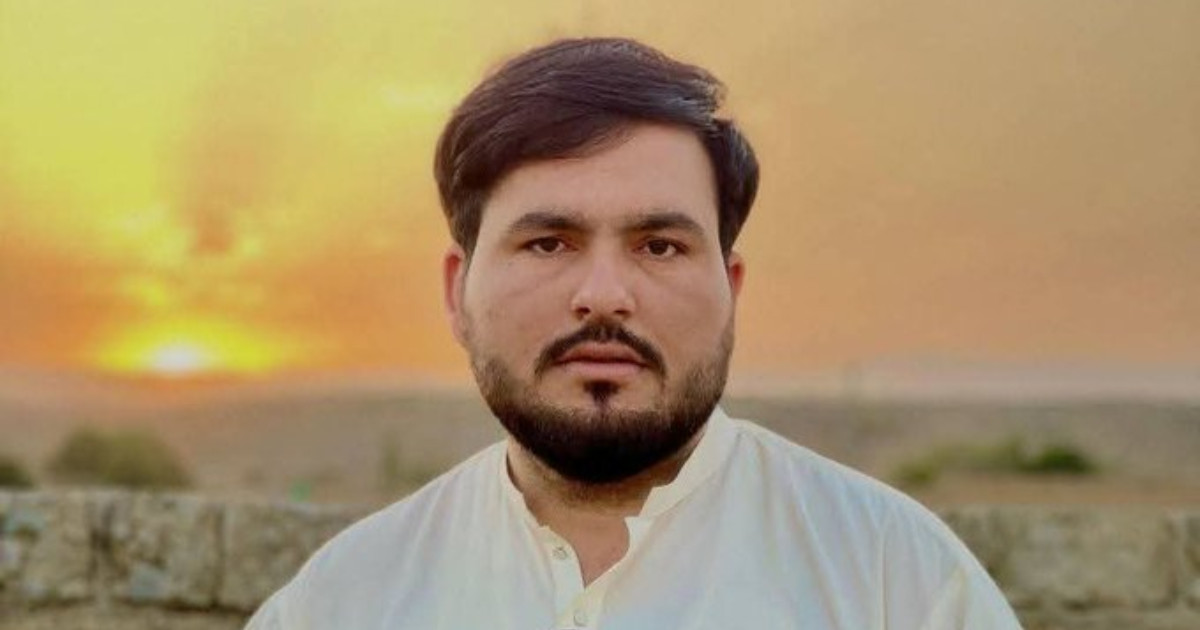
So did it come as a surprise when we learned that Geo analyst and The News journalist Ansar Abbasi was censored by his parent organization Jang and that there is a current ban on him?
No… not at all.
What is surprising is that it’s taken so long.
According to the information I have, cable operators union met in Karachi on Wednesday and decided to blackout any program featuring Ansar Abbasi. They also demanded that Geo sack Ansar. Of course, Geo refused.
Khalid Arain, the chairman of the Cable Operators’ Association, is said to have met with media owners and directors and warned of dire consequences if Geo and other TV channels did not comply with the association’s demands.
The action comes in the wake of controversy surrounding an Ansar Abbasi column that the Jang management refused to print and which supported a petition against obscenity and inappropriate content on television signed by former Jamaat-e-Islami chief Qazi Hussain Ahmed and Justice Wajhiuddin Ahmed in the court of Chief Justice Iftikhar Chaudhry, Justice J.S Khawaja and Justice T Pervaiz. http://www.saach.tv/2012/08/13/ansar-abbassis-unpublished-article/
The cable operators and media managements also issued a joint statement saying they would black out any report or content that was based on the court’s proceedings on the case.
The court also sent a notice to the PEMRA chairman.
In the column, Abbasi points out that Pakistani cultural and religious values were under threat from Indian and Western content provided by the cable operators. It’s not the first time Abbasi has taken it upon himself to give the nation direction. Often his arguments and reasoning have a rigid rightist stance.
In his article Abbasi lashes out at perceived threats to Pakistani society and talks about fahash (decadent) content. He urges the nation to reject such content, especially from illegal Indian channels. He also blames PEMRA for supporting the cable operators.
He says all media organizations were silent on the issue and accuses them of being slaves to the demands of the cable operators.
There is much more of the same. Basically it’s a repetition of the theme that he is the only voice of sanity amongst the mainstream media which as he says has ‘death like shroud’ of silence covering it.
Now… all this is fine and sure I love Pakistan, its culture and people. The question one needs to ask Ansar is: Are Pakistanis so weak morally that they get swayed by such content? What if their solid belief in their religion and themselves? Rather than go to the court and write such stuff, which I’m sure even he does not believe, would it not make sense that individuals reject such programs by having the moral strength and ability to switch to another TV channel?
Would it not make sense that such channels would not get the ratings they do if this was done?
And why is it then… that these very same channels, against which Ansar is hell bent on blocking out, are the ones that are most popular in Pakistan?
Where does the fault lie…? With our domestic channels, cable operators, or us….?
(The views expressed by the writer are not necessarily those of JournalismPakistan.com)
Key Points
- Ansar Abbasi was banned by cable operators in Karachi.
- The ban follows his controversial column criticized by media management.
- PMRA's role and responsibilities are questioned in the article.
- The piece reflects on the manipulation of media by political and ideological forces.
- The author urges viewers to be more discerning about the content they consume.
Relevant Topics
Ask AI: Understand this story your way
AI EnabledDig deeper, ask anything — get instant context, background, and clarity.
Disclaimer: This feature is powered by AI and is intended to help readers explore and understand news stories more easily. While we strive for accuracy, AI-generated responses may occasionally be incomplete or reflect limitations in the underlying model. This feature does not represent the editorial views of JournalismPakistan. For our full, verified reporting, please refer to the original article.