
Veteran journalist Hussain Naqi dies in Lahore
JournalismPakistan.com | Published: 22 November 2026 | JP Staff Report
Join our WhatsApp channel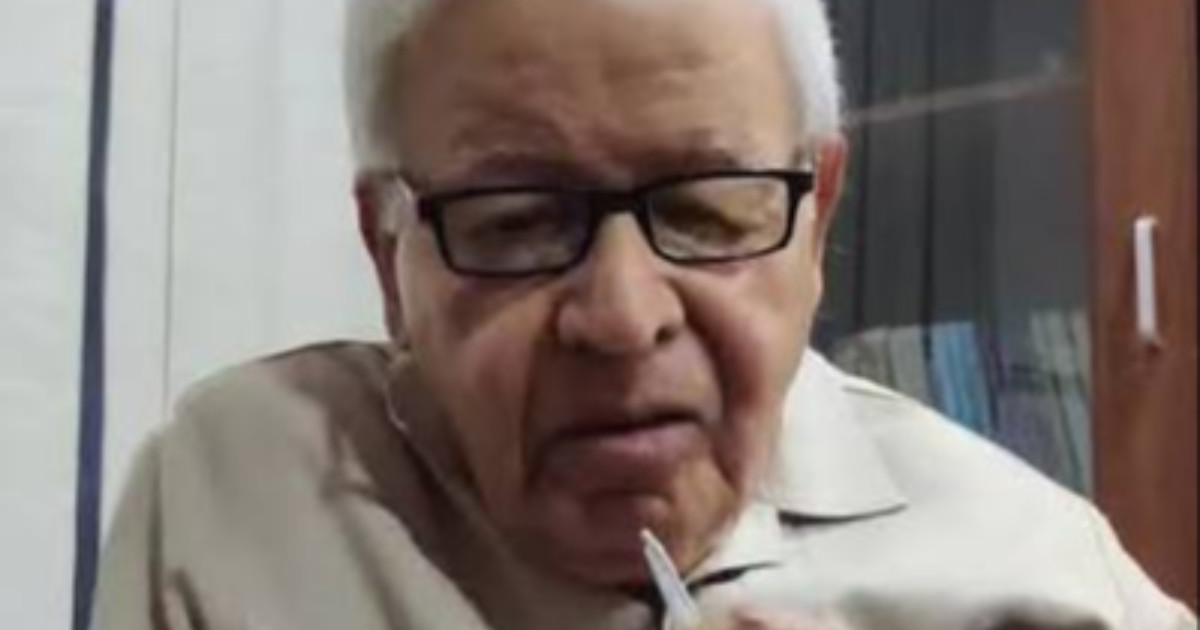
Hussain Naqi, a veteran Pakistani journalist, editor and trade union leader known for defending press freedom and human rights, died in Lahore on November 22. His decades-long career included editorial leadership, union activism and opposition to censorship.Summary
Hussain Naqi, one of Pakistan's most respected journalists and defenders of press freedom, has died in Lahore. His decades-long career combined editorial leadership, trade union activism and a resolute commitment to democracy and human rights.
LAHORE — Veteran journalist, editor and human rights activist Hussain Naqi died in Lahore on Sunday, November 22, bringing to a close a remarkable life devoted to journalism, democracy and the defence of fundamental freedoms. His family confirmed his death, according to Jang. Funeral prayers were scheduled for 12:30 p.m. at Jamia Al-Muntazir in Model Town, Lahore.
Naqi belonged to a generation of Pakistani journalists who regarded journalism not merely as a profession but also as a responsibility to challenge authority, defend democratic institutions and protect the rights of working journalists. Over several decades, he confronted censorship, political pressure and restrictions imposed under successive governments, becoming a respected figure in Pakistan's press freedom movement.
A career shaped by resistance
Born in Lucknow in 1936, Naqi moved to Pakistan in 1950 and became involved in progressive student politics. His activism continued during his university years, including his opposition to the expulsion of Baloch students from Karachi University. His involvement in student politics and resistance to authoritarian rule helped shape the convictions that would define his professional life.
He began his journalism career with Pakistan Press International and subsequently worked with several publications, including Viewpoint, The Sun, The Muslim and The Frontier Post. He also edited The News International in Lahore, where he demonstrated that editorial independence and the rights of newsroom employees were closely connected. His career was marked by disagreements with powerful interests and newspaper managements, sometimes costing him his position.
Defending journalists and their rights
Naqi was closely associated with the Pakistan Federal Union of Journalists and the wider trade union movement. He supported collective resistance to censorship, the protection of journalists' employment rights and efforts to preserve the independence of the press during military and civilian administrations.
His commitment extended beyond press freedom. As editor of The News in Lahore, he advocated greater opportunities for women journalists, including stronger representation in editorial departments and arrangements to help women work safely during late newsroom shifts. These positions reflected his belief that media freedom had to include fairness and equality within news organisations themselves.
Naqi also promoted linguistic diversity in journalism. He helped launch Sajjan, a Punjabi-language daily, demonstrating his support for journalism in languages that often struggled for recognition in Pakistan's mainstream media.
A lifelong defender of human rights
Naqi's work was deeply connected with the Human Rights Commission of Pakistan, where he served in leadership and council positions. His association with the organisation placed him alongside prominent rights advocates working to strengthen constitutional freedoms, democratic accountability and protections for vulnerable communities.
His involvement continued into the final months of his life. In August 2026, he was among the journalists and rights advocates who participated in an HRCP roundtable in Karachi that agreed to establish a broad national alliance to defend freedom of expression. The gathering reflected continuing concerns about restrictions on journalists, digital media practitioners and other voices in Pakistan.
Naqi had previously served as HRCP treasurer and was listed as a council member following the organisation's November 2026 elections.
A respected voice across generations
His contributions were publicly recognised in November 2018, when journalists gathered at the National Press Club in Islamabad and the Lahore Press Club to honour his struggle for press freedom and democratic rights. The gatherings brought together colleagues who recalled his resistance to censorship, his involvement in journalists' organisations and his willingness to challenge powerful institutions.
Naqi also documented his experiences in his autobiography, Mujh Se Jo Ho Saka (Whatever I Could Do), which reflected on decades of political activism, journalism and the struggle for democracy. The book provided a personal account of events that shaped Pakistan's media and political history.
His death comes at a time when Pakistan's journalists continue to face legal scrutiny, economic insecurity, employment pressures and restrictions on independent reporting. The principles for which Naqi campaigned throughout his life remain central to debates over the future of journalism.
For generations of journalists, Hussain Naqi represented a tradition of professional independence, collective action and resistance to censorship. His passing removes one of the remaining prominent voices from a generation that helped define Pakistan's struggle for a free press.
ATTRIBUTION: Reporting by JournalismPakistan. The death announcement and funeral information are based on Jang's November 22, 2026 report. Biographical and historical context draws on The News International's profile Always an Optimist, Dawn's reporting and retrospective articles published in 2018, 2025, and 2026, the Human Rights Commission of Pakistan's August and November 2026 statements, and JournalismPakistan's earlier coverage of press freedom and the HRCP initiative.
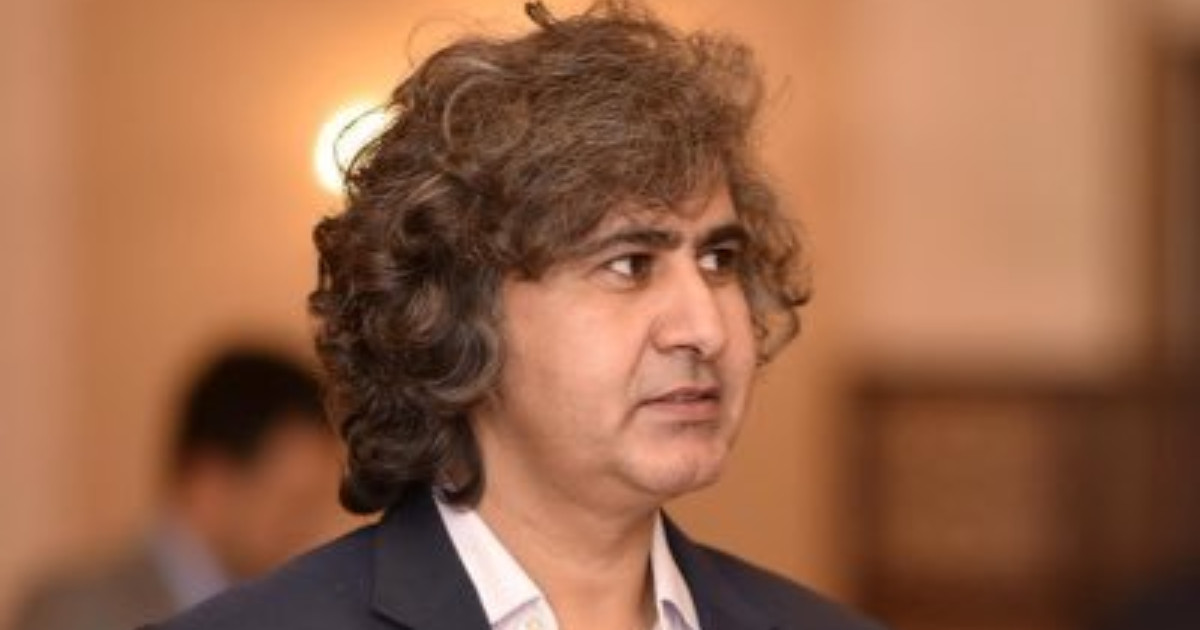
PHOTO: Hussain Naqi (Instagram)
Key Points
- Hussain Naqi was born in Lucknow in 1936 and migrated to Pakistan in 1950.
- He began his career with Pakistan Press International and later worked with publications including Viewpoint.
- Naqi was active in student politics and opposed expulsions of Baloch students at Karachi University.
- He served as an editor, trade union leader and human rights advocate, challenging censorship and political pressure.
- Naqi died in Lahore on November 22; funeral prayers were scheduled at Jamia Al-Muntazir in Model Town at 12:30 p.m.
Key Questions & Answers
Who was Hussain Naqi?
Hussain Naqi was a veteran Pakistani journalist, editor, trade union activist and human rights advocate known for defending press freedom.
When and where did he die?
He died in Lahore on Sunday, November 22, according to his family and reports in Jang.
What were his major contributions?
Naqi combined editorial leadership with trade union activism and a long-standing commitment to democracy, human rights and resisting censorship.
When and where were his funeral prayers scheduled?
Funeral prayers were scheduled for 12:30 p.m. at Jamia Al-Muntazir in Model Town, Lahore.
Relevant Topics
Ask AI: Understand this story your way
AI EnabledDig deeper, ask anything — get instant context, background, and clarity.
Disclaimer: This feature is powered by AI and is intended to help readers explore and understand news stories more easily. While we strive for accuracy, AI-generated responses may occasionally be incomplete or reflect limitations in the underlying model. This feature does not represent the editorial views of JournalismPakistan. For our full, verified reporting, please refer to the original article.