
US court grants asylum to Chinese journalist Guan Heng
JournalismPakistan.com | Published: 29 January 2026 | JP Global Monitoring
Join our WhatsApp channel
A US court granted asylum to Chinese journalist Guan Heng after finding he faced persecution risk for documenting Uyghur detentions in Xinjiang. Press freedom groups welcomed the ruling as protection from deportation amid transnational repression.Summary
WASHINGTON — A United States court has granted asylum to Chinese independent journalist Guan Heng, a decision welcomed by press freedom groups as a rare legal victory for journalists targeted for their reporting on human rights abuses. Reporters Without Borders said the ruling shields Guan from deportation after years of pressure linked to his journalism.
Guan is known for documenting the mass detention of Uyghurs in China’s Xinjiang region, work that placed him at risk of persecution if returned to China. Press freedom advocates have long warned that Chinese journalists who report on sensitive topics face surveillance, harassment, and reprisals that extend beyond China’s borders.
Legal protection amid growing repression
According to Reporters Without Borders, the court found that Guan faced a credible risk due to his reporting, meeting the legal threshold for asylum under US law. The organization described the decision as an important acknowledgment of the dangers faced by journalists who expose state-led human rights violations.
China remains one of the world’s largest jailers of journalists, and independent reporting on Xinjiang is heavily restricted. Many journalists and researchers working on the region have been detained, silenced, or forced into exile, with overseas reporters also facing intimidation through family pressure and legal threats.
A test case for transnational repression
Press freedom groups say Guan’s case illustrates how transnational repression has become a defining challenge for independent journalists, particularly those reporting on authoritarian states. Deportation proceedings are increasingly used as a tool to silence exiled reporters by forcing them back into environments where they face arrest or worse.
The asylum ruling underscores the role of independent courts and international legal protections in countering these tactics. While such outcomes remain uncommon, advocates argue they set important precedents for journalists seeking protection through the rule of law.
WHY THIS MATTERS: The case highlights how legal systems outside a journalist’s home country can provide critical safeguards against transnational repression. For Pakistani journalists, it underscores the importance of documenting threats, building international networks, and understanding asylum and protection mechanisms. It also reinforces the role of global advocacy groups in amplifying cases of press freedom.
ATTRIBUTION: Reported based on a public statement by Reporters Without Borders.
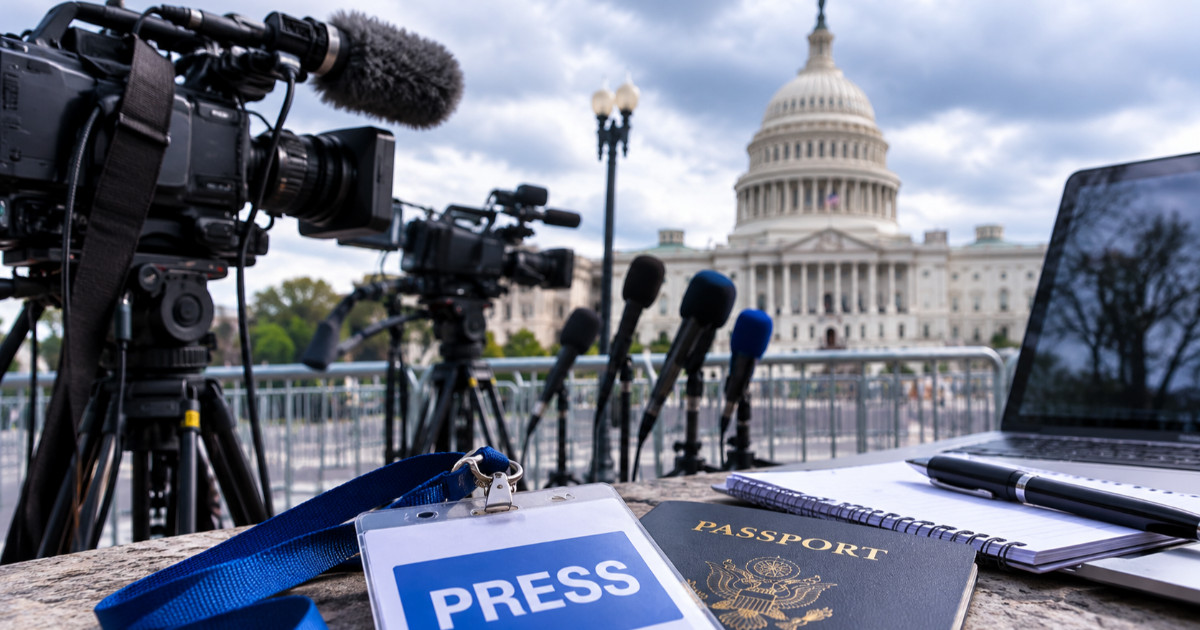
PHOTO: AI-generated; for illustrative purposes only
Key Points
- US court granted asylum to Guan Heng, preventing his deportation to China.
- Judge found he faced a credible risk due to reporting on Uyghur detentions in Xinjiang.
- Reporters Without Borders and other press freedom groups praised the decision.
- The case highlights growing transnational repression and threats to journalists abroad.
- China is noted for heavy restrictions on independent reporting and jailing journalists.
Relevant Topics
Ask AI: Understand this story your way
AI EnabledDig deeper, ask anything — get instant context, background, and clarity.
Disclaimer: This feature is powered by AI and is intended to help readers explore and understand news stories more easily. While we strive for accuracy, AI-generated responses may occasionally be incomplete or reflect limitations in the underlying model. This feature does not represent the editorial views of JournalismPakistan. For our full, verified reporting, please refer to the original article.